
Plants
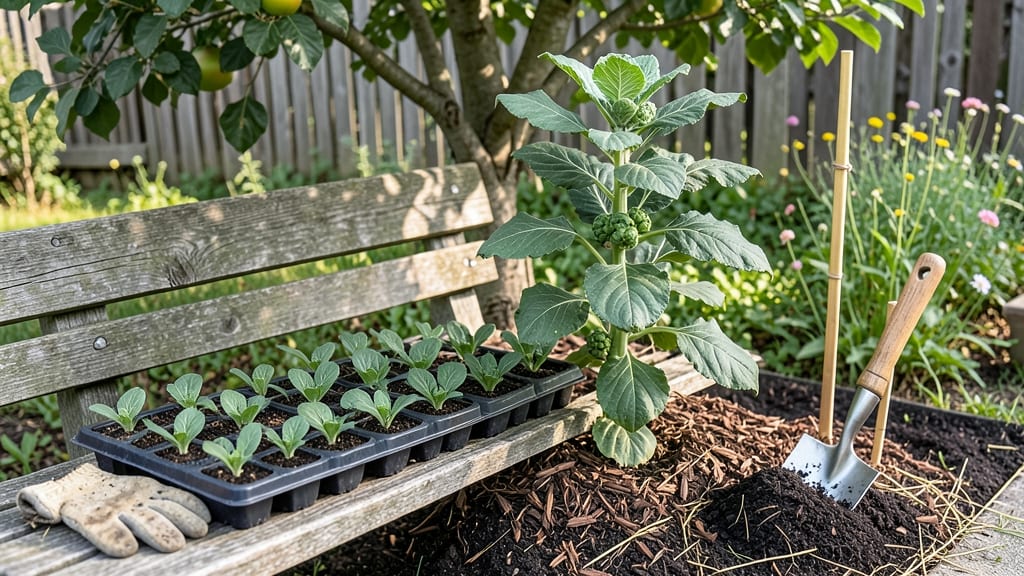
If you're wondering when to plant brussel sprouts in Zone 7, timing is the secret to a harvest that tastes sweeter than store-bought—no frost damage required.
These little green gems 🥦 love cool weather, but planting them too early means bolting, and too late risks stunted growth before winter sets in.
In Zone 7 (General), your best bet is to sow seeds 8-10 weeks before your first frost, which typically lands in early September for most areas.
This gives your plants enough time to mature before temperatures drop, ensuring you'll enjoy homegrown sprouts long after your neighbors' gardens have gone dormant.
But here's the thing: not all Zone 7 gardens are created equal. Coastal areas might have milder microclimates, while inland spots could face earlier frosts. We'll break down how to adjust your planting schedule based on your exact location—so you can avoid the heartbreak of a wasted crop.
Ready to master the art of fall planting? I'll walk you through the exact dates, soil prep tricks, and even how to stretch your harvest window with simple row covers. Let's get those brussel sprouts growing!
Optimal planting dates for brussel sprouts in Zone 7’s fall window
Brussel sprouts love cool weather, making Zone 7’s fall season the perfect time to plant. Aim for a 6-8 week harvest window before your first frost—typically mid-November in Zone 7. This means planting between late August and early September for a full harvest before winter sets in.
For spring planting, you can also sow seeds in early March, but fall is ideal for avoiding summer heat stress. The key is to give your plants enough time to mature before cold snaps hit.
In Zone 7, this usually means 90-120 days to harvest before the first frost.
Use your local frost date as your guide. Subtract 8-10 weeks from your first frost date to find your planting window. For example, if frost arrives November 15, plant by September 15 for a full harvest.
🌱 Brussel Sprouts Planting Timeline for Zone 7
| Stage | Action | Notes |
|---|---|---|
| Soil Prep | Test pH (6.0-7.0) | Add compost for fertility |
| Planting Window | Late August - Early September | 8-10 weeks before frost |
| Germination | 5-10 days at 60-70°F | Keep soil moist |
| Harvest Window | October - December | Pick before hard frost |
If you’re unsure about your frost date, check the USDA Plant Hardiness Zone Map or use a local frost calendar. Coastal areas in Zone 7 may have slightly later frosts, while inland regions might freeze earlier. Adjust your planting window accordingly—cooler microclimates can handle later plantings.
For direct sowing, plant seeds ½ inch deep and 1 inch apart in rows spaced 18-24 inches apart. Thin seedlings to 12-18 inches apart once they’re 3-4 inches tall. This spacing gives plants room to grow without competing for nutrients.
If you’re starting indoors, sow seeds 6-8 weeks before transplanting outside. Use seed-starting trays with well-draining soil and keep them in a warm (70°F) location until germination. Harden off seedlings for 7-10 days before transplanting to avoid shock.
Pro tip: Use cold-hardy varieties like ‘Long Island Improved’ or ‘Ruby Ball’ for Zone 7. These varieties tolerate light frosts and produce sweeter sprouts in cooler weather. Avoid heat-sensitive varieties that bolt quickly when temperatures rise.
Always monitor your plants’ progress. If they’re growing slowly, they may need more sunlight or warmer soil temperatures. A simple soil thermometer can help you track conditions—ideal soil temps for germination are 60-70°F.
Finally, mark your planting dates on a garden calendar to stay organized. This ensures you don’t miss the window and can plan for succession planting if you want multiple harvests. With the right timing, you’ll enjoy homegrown brussel sprouts straight from your garden! 🥦
Optimal planting dates for brussel sprouts in Zone 7’s fall window
In Zone 7, the best time to plant brussel sprouts is during the early fall window, typically between mid-August and early September. This timing ensures your plants mature before the first frost (usually around November 15 in Zone 7) while still benefiting from cooler temperatures they prefer.
Brussel sprouts need 80-120 days to reach harvest, so planting 8-10 weeks before frost is ideal. For Zone 7, this translates to starting seeds or transplants around August 1-15. If you miss this window, you can try a late August planting, but harvests may be smaller or delayed.
For spring planting (less common but possible), aim for early March to avoid bolting in summer heat. However, fall planting is preferred in Zone 7 for sweeter, more flavorful sprouts.
| Planting Window | Zone 7 Dates | Key Consideration |
|---|---|---|
| Early Fall (Primary) | August 1–15 | 8–10 weeks before frost for full maturity |
| Late Fall (Secondary) | August 15–31 | Smaller harvests; risk of frost damage |
| Spring (Alternative) | Early March | Avoids summer bolting; less ideal flavor |
To calculate your exact planting date, check your local frost dates using the USDA Plant Hardiness Zone Map. Subtract 90 days from your first frost date to find your ideal planting window. For example, if frost hits November 15, plant by August 15.
For coastal Zone 7 areas (like parts of North Carolina or Virginia), extend your window by 1-2 weeks due to milder microclimates. Inland areas (like Tennessee or Kentucky) may need to plant 1 week earlier to avoid early frosts.
Pro tip: Use cold-hardy varieties like 'Long Island Improved' or 'Ruby Ball' for Zone 7. These tolerate light frosts and produce sweeter sprouts in cooler weather. Pair with row covers to extend your harvest into December if needed.