
Plants
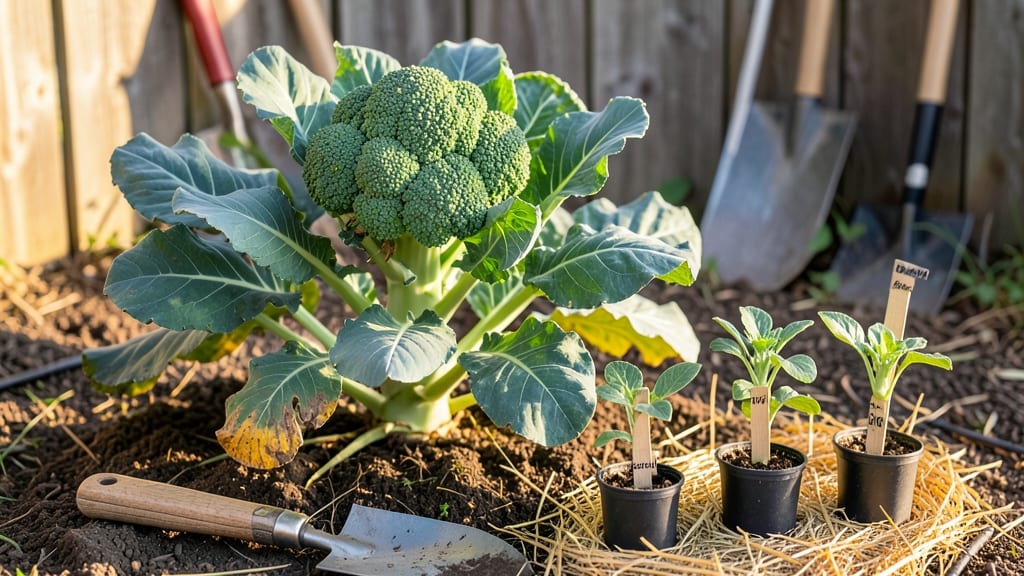
Knowing when to plant broccoli in Illinois can make or break your harvest—especially in Zone 5b/6a, where frost dates dance between March and October. One wrong move, and your 🥦 could bolt before you even taste that first crisp head.
I’ve grown broccoli here for years, and the difference between a thriving garden and a sad, stunted plant often comes down to timing.
Spring planting starts as early as March, but rushing too soon means risking frost damage. Meanwhile, fall crops thrive when seeded by July, giving them time to mature before the first frost.
The key? Understanding your local frost dates—whether you’re in Chicago’s urban heat islands or rural Zone 6a fields. I’ll break it down so you can plant with confidence, no guesswork needed.
Beyond dates, soil temperature and variety matter. Cool-season 🥦 like ‘De Cicco’ handles early springs better, while heat-tolerant ‘Belstar’ shines in summer. I’ll share my top tips for adjusting for Illinois’ unpredictable weather—because even the best-laid plans can go sideways when a late frost hits.
Ready to grow broccoli that’s bold, healthy, and bountiful? Let’s dive into the exact planting windows, soil prep secrets, and variety picks that’ll have your garden thriving—no matter where you are in the state.
Illinois broccoli planting calendar by frost dates (Zone 5b/6a)
Illinois gardeners know timing is everything when growing broccoli, especially with Zone 5b/6a frost dates that can vary by 10-14 days between northern and southern regions. The key is planting 2-3 weeks before your last frost date for spring crops and 80-90 days before first frost for fall harvests.
Let’s break down the exact windows for Chicago, Springfield, and Peoria—plus how to adjust for your microclimate.
Your last frost dates typically range from April 15 (northern IL) to May 1 (southern IL), while first frosts arrive between October 10-20. These dates create two ideal planting windows: early spring (March-April) and late summer (July-August).
Missing these windows often leads to bolting (premature flowering) or stunted growth from heat stress.
🚨 CRITICAL TIP: Use the National Weather Service’s frost probability maps (available at NOAA) to pinpoint your exact dates. For example, Chicago’s average last frost is April 20, while Springfield’s is April 10—a 10-day difference that matters for broccoli’s 60-90 day growth cycle.
For spring planting, start seeds indoors 6-8 weeks before your last frost (e.g., February 15 for northern IL, March 1 for southern IL).
Transplant seedlings outdoors 2-3 weeks before last frost, ensuring soil temps reach 40°F+. Belstar and Waltham 29 are top choices for spring—they tolerate cooler temps and bolt less than other varieties.
Fall planting is trickier but rewarding. Aim to sow seeds 80-90 days before first frost (e.g., July 15 in northern IL, August 1 in southern IL). Green Magic and Romanesco thrive in cooler fall temps and often produce larger heads than spring crops.
Use black plastic mulch to warm soil and speed germination in late summer.
🌡️ SOIL TEMP MATTERS: Broccoli seeds need 40-50°F soil temps to germinate. In Illinois, this usually aligns with April 15–May 1 for spring and July 15–August 10 for fall. Test soil temps with a soil thermometer—if it’s below 40°F, wait or use a heat mat for seed trays.
Don’t overlook urban vs. rural microclimates. Cities like Chicago experience urban heat islands, delaying first frosts by 1-2 weeks compared to rural areas. Conversely, clay-heavy soils in southern IL (e.g., near Springfield) drain poorly, so amend with compost to prevent root rot.
Adjust your planting dates 1 week earlier in urban areas and 1 week later in cooler rural spots.
📅 PLANTING
How to adjust planting for Illinois microclimates and soil conditions
Illinois’ diverse microclimates—from Chicago’s lake-effect cooling to Springfield’s inland heat—can drastically alter your broccoli’s success. Urban gardens often experience warmer microclimates due to concrete heat absorption, while rural areas may face cooler nights and heavier frost risks.
Adjust your planting timeline by 2-3 weeks later in cities like Chicago compared to southern Illinois.
Soil type is another critical factor. Illinois’ clay-heavy soils (common in central regions) drain poorly, leading to root rot if broccoli isn’t planted in raised beds or amended with compost and sand.
Test your soil’s pH—broccoli thrives in 6.0-7.0—and add lime if needed. Urban gardeners with container gardens can use well-draining mixes to mimic ideal conditions.
⚠️ Common Mistakes to Avoid
- Planting too early in cold, wet soils (below 40°F) stunts growth.
- Ignoring microclimate heat islands—urban areas may need shade cloth in summer.
- Skipping soil amendments in clay soils leads to poor drainage and rot.
Pro Tip: Use row covers in spring to protect seedlings from late frosts while allowing sunlight to penetrate.
Extend your growing season with row covers or cold frames, which can push harvests 3-4 weeks later in fall. In Chicago, this might mean harvesting into late October, while rural areas could extend to November.
For spring starts, remove covers during the day to prevent overheating and reapply at night for frost protection.
If your soil is sandy or nutrient-poor (common in northern Illinois), mix in aged compost or well-rotted manure before planting. Side-dress with nitrogen-rich fertilizer (like fish emulsion) every 4-6 weeks to support leafy growth. Avoid over-fertilizing—too much nitrogen reduces head size.
For container gardening in urban areas, choose compact varieties like 'Little Sprint' and use 5-gallon pots with drainage holes. Water consistently—containers dry out faster than in-ground beds. Mulch with straw or shredded leaves to retain moisture and suppress weeds, especially in hot summer months.
Monitor local weather patterns using NOAA frost maps or your county extension office. In Zone 5b (northern IL), aim for April 15-May 1 for spring planting, while Zone 6a (southern IL) can start 2 weeks earlier. Adjust based on soil temperature—broccoli seeds need 40-85°F for germination.