
Plants
Timing your dahlia planting in Illinois could make or break your summer garden—especially in Zone 5b-6b, where late frosts still lurk into May. One wrong move, and those stunning 🌸 blooms you’ve been dreaming of might never make an appearance.
The good news? With the right window, you can give your dahlias the head start they need to thrive.
Most Illinois gardeners wait until after the last frost date—typically mid-May to early June—but soil temperature matters just as much. Planting too soon in chilly ground can stunt growth, while waiting too long risks missing the sweet spot for robust, flower-filled stems.
I’ll break down the exact deadlines for your zone and share a pro tip to extend your season if Mother Nature throws a curveball.
You might assume dahlias are low-maintenance, but getting them in the ground at the perfect time is half the battle. Whether you’re a first-timer or a seasoned gardener, knowing when to plant sets the stage for bigger blooms and healthier plants.
Let’s dive into the details so you can enjoy those showstopping flowers from July through October.
Once you’ve nailed the timing, the next step is care—like staking your dahlias early to prevent flopping in summer storms. But we’ll save that for later. For now, focus on that critical planting window, because in Illinois, patience pays off in a garden full of color.
Illinois dahlia planting deadlines by Zone 5b & 6a: exact frost-free dates
Timing your dahlia planting in Illinois hinges on two critical factors: last frost dates and soil temperature thresholds. In Zone 5b (northern IL), the average last frost date falls around May 15, while Zone 6a (southern IL) sees frost-free conditions by May 1.
However, these dates are averages—not guarantees—so always check your local USDA Plant Hardiness Zone Map for precision.
Dahlias are frost-sensitive tubers that won’t survive below 32°F. Planting too early risks cold damage, while waiting too long may shorten your bloom season. The sweet spot is 4-6 weeks after your last frost, when soil temperatures reach a consistent 60°F.
In Illinois, this typically translates to mid-May to early June for most regions.
Here’s the golden rule: Wait until soil warms—not just air temperatures. Use a soil thermometer to confirm readiness. Cold soil slows root growth, leaving dahlias vulnerable to rot or stunted growth. Pro tip: Test soil in the morning when it’s coolest—if it’s below 60°F, delay planting.
For Zone 5b gardeners (e.g., Chicago, DeKalb), aim for late May planting to avoid late frosts.
In Zone 6a (e.g., Springfield, Champaign), you can push planting to early May if your microclimate warms faster. Urban areas often experience heat islands, so city gardeners may plant 1-2 weeks earlier than rural counterparts.
🌱 Visual Guide to Planting Deadlines 🌱
| Zone | Last Frost Date | Ideal Planting Window | Soil Temp Threshold | Risk Level |
|---|---|---|---|---|
| Zone 5b | May 15 | Late May - Early June | 60°F+ | High (late frosts) |
| Zone 6a | May 1 | Early May - Mid-May | 60°F+ | Moderate (warmer microclimates) |
| Urban Heat Islands | April 25 | Early May | 58°F+ | Low (earlier warmth) |
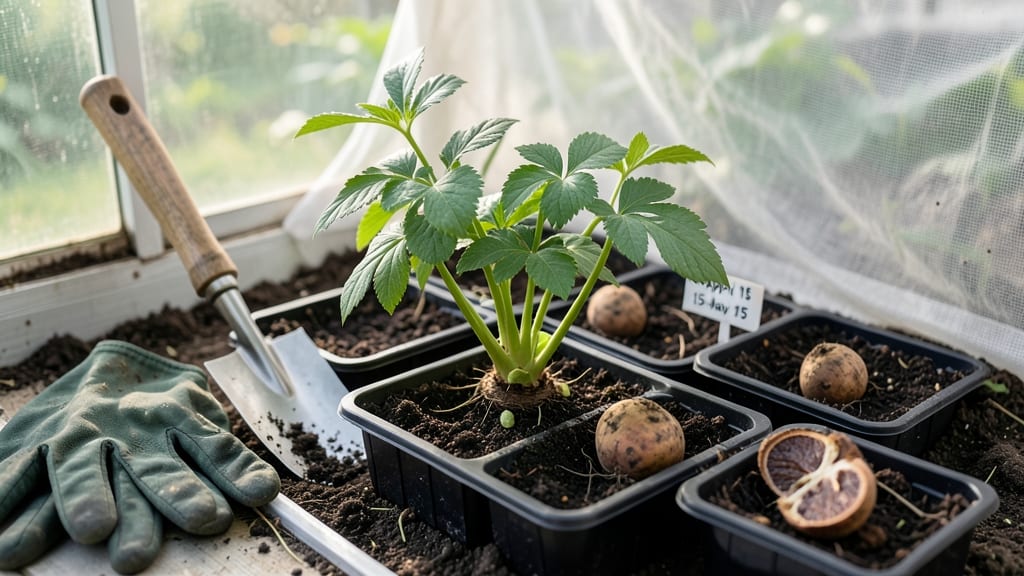
If you’re eager to start early, consider indoor tuber sprouting in March or April. Place dormant tubers in a cool, dark spot (like a basement) and check for sprouts in 4-6 weeks. Once sprouts reach 2-3 inches, transplant them into small pots with well-draining soil and place under grow lights or in a sunny window. Harden off seedlings for 1 week before transplanting outdoors after your last frost.
For late bloomers, use the "staggered planting" trick: Plant half your tubers at the ideal time, then space the rest 2-3 weeks later. This extends your bloom season by ensuring continuous flowers from July through October.
Just be sure to mulch heavily around late-planted tubers to insulate roots from cool evening air.
🌡️ Pro Tip: Use a frost watch tool like the Old Farmer’s Almanac or your local Cooperative Extension Service for real-time frost alerts. In Illinois, late May frosts aren’t unheard of—especially in Zone 5b.
If frost is forecasted, cover plants with frost cloth or row covers and remove during the day to avoid heat stress.
One common mistake
Illinois dahlia planting deadlines by Zone 5b & 6a: exact frost-free dates
Getting your dahlias in the ground at the right time in Illinois is all about balancing frost risk and soil warmth. In Zone 5b, where last frosts often hit May 15, aim to plant 4-6 weeks after that date—typically late May to early June.
For Zone 6a, with slightly warmer springs, you can push planting to mid-May if your soil heats up faster.
But here’s the catch: soil temperature matters more than air temperature. Dahlias need soil that’s at least 60°F to sprout properly. In northern Illinois, this usually aligns with late May, while southern regions may hit that mark by early May.
Use a soil thermometer to confirm—it’s a game-changer for avoiding stunted growth.
If you’re eager to start earlier, consider indoor sprouting in March or early April. Plant tubers in pots with well-draining soil and keep them near a sunny window or under grow lights.
Transplant outdoors once the soil warms up and all frost risk has passed. This head start can give you earlier blooms and a longer season.
🌱 Illinois Dahlia Planting Timeline by Zone
| Zone | Last Frost Date | Ideal Planting Window | Soil Temp Threshold | Notes |
|---|---|---|---|---|
| Zone 5b | Mid-May (May 15) | Late May to early June | 60°F+ | Use row covers if late frost risk persists. |
| Zone 6a | Early May (May 1) | Mid-May to late May | 60°F+ | Soil warms faster; monitor closely. |
💡 Pro Tip: Check your local Almanac frost dates for your specific Illinois county—microclimates can shift planting windows by 1-2 weeks.
Missed the ideal window? Don’t panic. Staggered planting can save your season. Plant a few tubers in late May and others in early June to extend your bloom time. This way, even if the first batch struggles with heat or pests, the second group will pick up the slack.
Once planted, prioritize mulching to keep soil warm and retain moisture. A 2-inch layer of straw or shredded leaves can make all the difference in Illinois’ unpredictable summers. Pair this with consistent watering—dahlias hate soggy roots but love deep, infrequent drinks—and you’ll set your plants up for success.
Remember, dahlias are tender perennials, meaning they’ll die back in frost but return from tubers if stored properly. In Illinois, dig up tubers after the first frost in October and store them in a cool, dry place until next spring.
But for now, focus on that perfect planting window—because in your garden, timing truly is everything.