
Plants
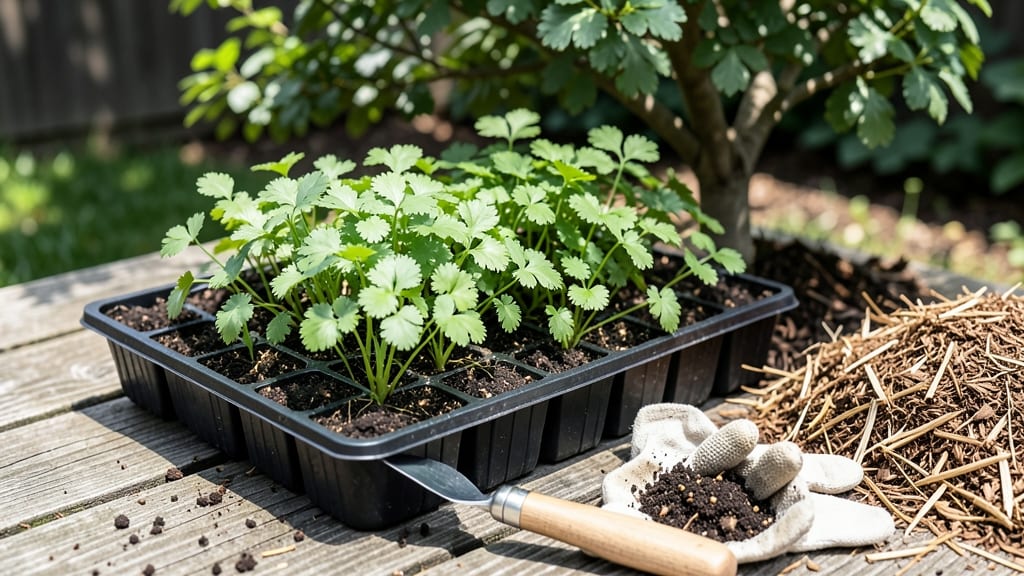
If you've ever planted cilantro in Missouri only to watch it bolt into flower before you could harvest a single leaf, you're not alone. The key to growing this flavorful herb successfully in Zone 5b-6b lies in understanding Missouri's unpredictable frost dates and short growing season.
Cilantro 🌿 thrives in cool weather, which means timing your planting window is everything. Get it wrong, and you'll end up with bitter leaves or wasted effort. Whether you're in St. Louis or Kansas City, knowing exactly when to plant for spring and fall harvests makes all the difference.
In this guide, I'll break down the ideal frost-free windows for Missouri's two growing zones, including how to adjust for microclimates. You'll also discover how to extend cilantro's growing season and which varieties handle Missouri's heat best.
By the end, you'll have a clear plan to grow cilantro that stays fresh, flavorful, and ready to harvest—no more bolting surprises! Let's get started.
Missouri cilantro planting calendar: exact frost dates by Zone 5b/6a
Cilantro in Missouri demands precision timing to avoid bolting—the bitter transformation that ruins its delicate flavor. Since Missouri spans Zone 5b (northern areas like St. Louis) and Zone 6a (southern regions like Kansas City), frost dates vary by 1-2 weeks.
Mastering these windows ensures a 60-75 day harvest before summer heat strikes.
Missouri’s last spring frost typically arrives between March 15-25, while the first fall frost hits November 10-20. These dates shift yearly, so always check your local USDA Plant Hardiness Zone map. For example, Columbia (Zone 6a) enjoys a 2-week longer growing season than Kansas City (Zone 5b).
Here’s your cilantro planting timeline for Missouri, broken down by zone and season to maximize leaf production:
| Stage | Zone 5b (e.g., Kansas City) | Zone 6a (e.g., Columbia) | Action |
|---|---|---|---|
| Spring Planting | March 20-April 5 | March 15-April 10 | Sow seeds indoors or direct-sow 4-6 weeks before last frost |
| Last Frost Date | April 10-15 | April 5-10 | Transplant seedlings or direct-sow after frost risk passes |
| Harvest Window | May 15-June 15 | May 1-June 10 | Harvest leaves before bolting (flower stalks appear) |
| Fall Planting | August 15-September 5 | August 1-September 10 | Sow seeds 6-8 weeks before first frost for fall harvest |
| First Frost Date | November 15-20 | November 10-15 | Harvest before frost kills plants; protect with row covers if needed |
Missouri’s Zone 5b areas (like Kansas City) have a shorter frost-free window (about 165 days), while Zone 6a (e.g., Columbia) enjoys 200 days.
This means Zone 6a gardeners can attempt a late-summer sowing (July 15-August 1) for a fall harvest, but Zone 5b growers should stick to spring and early fall plantings.
For St. Louis gardeners (Zone 5b/6a border), aim for March 25-April 10 in spring and August 10-September 1 in fall. Use row covers to extend your window by 2-3 weeks in early spring or late fall. These lightweight fabrics protect seedlings from late frosts while allowing sunlight to penetrate.
Pro tip: Missouri’s heat tolerance for cilantro is 75°F or below. Once temps hit 80°F, your cilantro will bolt within 7-10 days. Use shade cloth (30-50%) during summer months to keep soil temps cool and prevent bolting.
This is especially critical in July and August, when Missouri’s average highs exceed 85°F.
If you’re in a microclimate (like a south-facing slope or urban heat island), adjust your timing by 1-2 weeks earlier. These areas warm up faster in spring and retain heat longer in fall.
For example, Kansas City’s downtown may be 5°F warmer than suburban areas, pushing your planting window 7-10 days earlier.
Always test your soil’s drainage before planting. Cilantro hates soggy roots—amend heavy clay soil with compost or sand to improve aeration. Missouri’s clay-heavy soils (common in northern zones) can cause root rot, so
How to extend cilantro's growing season in Missouri's hot summers
Missouri's summer heat is cilantro's worst enemy, causing it to bolt prematurely and turn bitter. The good news? With the right strategies, you can extend its growing season by up to 8 weeks.
The key is combining shade, timing, and companion planting to keep your cilantro cool and happy during our 90°F+ summers.
First, focus on succession planting in late summer. Instead of planting all at once, sow small batches every 2-3 weeks from August through early September. This ensures a steady supply of fresh leaves before the first frost hits.
For example, plant one batch in early August for a September harvest, then another in mid-August for October.
🌿 Visual Tip: Use shade cloth rated for 30-50% blockage during peak afternoon sun (12 PM–4 PM). This mimics the cooler conditions cilantro loves. Secure it with stakes or a simple hoop system to avoid direct sun exposure.
🔹 Top 5 Strategies to Prevent Bolting
- Succession Planting: Sow every 2-3 weeks from August–September for staggered harvests.
- Shade Cloth: Use 30-50% blockage during 12 PM–4 PM to reduce heat stress.
- Companion Plants: Grow with bush beans or lettuce to provide natural shade and deter pests.
- Avoid Over-Fertilizing: Too much nitrogen speeds up growth and bolting. Use balanced 10-10-10 sparingly.
- Harvest Regularly: Pinch back flower stems and harvest outer leaves to encourage bushier growth.
Another game-changer is companion planting. Cilantro grows well alongside bush beans, which provide light shade and improve soil nitrogen. Avoid planting near dill or fennel, which can cross-pollinate and cause bolting.
For container gardening, place cilantro near tall basil or parsley to create a microclimate with slightly cooler air.
Watering smartly is equally critical. Cilantro needs consistent moisture, but soggy soil leads to root rot. Water deeply in the morning (before 10 AM) to reduce evaporation. Mulch with straw or shredded leaves to retain moisture and keep roots cool.
In extreme heat, consider drip irrigation to deliver water directly to the soil without wetting the leaves.
Finally, monitor your cilantro daily for signs of stress. If leaves start yellowing or the plant stretches toward the sun, it’s time to increase shade or harvest immediately. With these techniques, you can enjoy fresh cilantro well into October, even in Missouri’s hottest summers!