
Plants
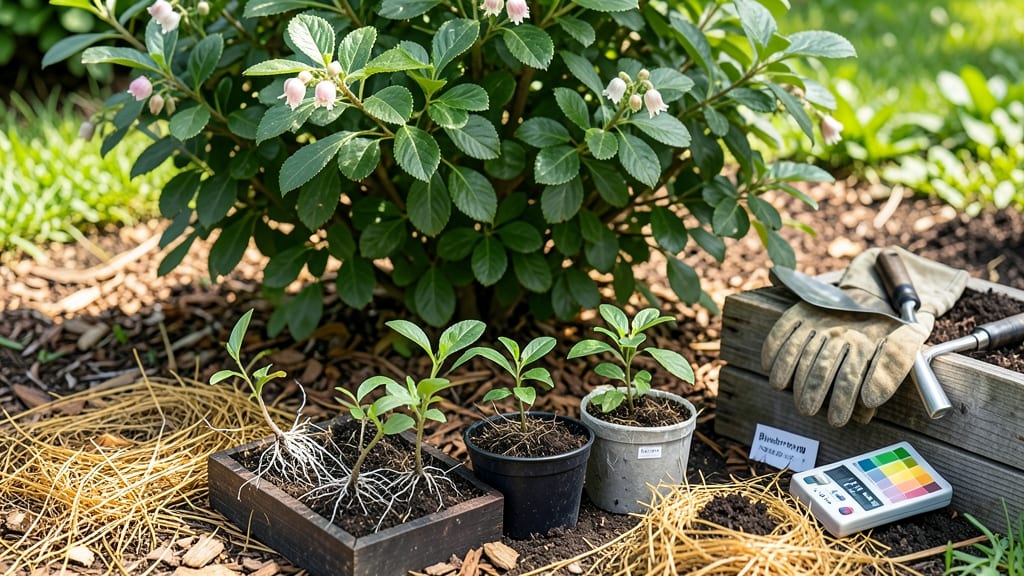
Timing your blueberry bush 🫐 planting in North Carolina isn't just about the calendar—it's about matching your zone's chill hours to the right variety. Get it wrong, and you might end up with bushes that flower but never fruit, or worse, ones that struggle to survive NC's unpredictable springs.
Here's the truth: Planting too early in Zone 6b risks frost damage, while waiting too long in Zone 8a means missing the sweet spot for root establishment. The key lies in understanding your specific microclimate and whether you're planting bare-root or container-grown bushes—both have different ideal windows.
I'll walk you through exactly when to plant in NC's fall and spring windows, how to adjust for late frosts, and which varieties thrive best in your zone. Plus, you'll learn the soil prep secrets that make all the difference between a thriving bush and one that barely survives.
Whether you're a first-time gardener or a seasoned NC grower, these insights will help you time your planting perfectly for that first (and biggest) harvest. Let's get those blueberries growing the right way!
Best planting months in NC based on chill-hours and Zone (6b-8a)
North Carolina’s diverse climate zones (6b-8a) create unique challenges for blueberry planting. Unlike cooler regions, NC’s humid subtropical climate demands precise timing to match chill-hour requirements—critical for fruit production.
Southern Highbush varieties need 300-500 chill hours, while Rabbiteye types thrive with 500-800 chill hours. Planting outside these windows risks poor yields or bush failure.
For Zone 6b gardeners (western NC mountains), late winter to early spring (February-April) is ideal. Here, colder winters provide sufficient chill hours, but late frosts can damage new growth if planted too early.
In contrast, Zone 8a gardeners (coastal regions) must plant in fall (September-October) to avoid summer heat stress during establishment.
Blueberries are dormant plants that establish roots best when soil temps are 40-60°F. In NC, this occurs naturally in fall and early spring.
Bare-root bushes planted in late winter (February) benefit from winter moisture, while container-grown plants thrive in fall (September) when roots can settle before summer heat arrives.
🌱 Chill-hour mismatches are the #1 reason NC blueberries fail. For example, planting Premier (Southern Highbush) in Zone 7a without verifying chill hours could lead to poor flowering. Always check your last frost date (March 15 in Zone 6a, February 15 in Zone 7a) and adjust planting accordingly.
NC’s microclimates complicate timing further. For example, mountain regions (Zone 6b) can experience sudden frost after warm spells, while coastal areas (Zone 8a) may face unseasonable heatwaves in spring. Always monitor local weather forecasts and adjust planting dates by 1-2 weeks if needed.
Fall planting (September-October) is ideal for most NC gardeners because it allows roots to establish before summer heat. However, Zone 6b gardeners should prioritize spring planting (March-April) to avoid winter desiccation. A simple rule: Plant when soil is workable but air temps stay above 40°F.
🌿 Container gardening extends planting flexibility in NC’s hotter zones. Potted bushes can be moved to shadier spots during summer and returned to full sun in spring/fall. This works especially well for Zone 7b-8a where summer temps exceed 90°F.
Before planting, verify your chill-hour accumulation using NC State Extension’s chill-hour maps. For instance, Climax (Rabbiteye) needs 700+ chill hours, making it risky in Zone 7b unless planted in elevated, cooler microclimates. Always match the variety to your zone.
💡 Soil temperature is often overlooked but critical. Use a soil thermometer to confirm temps are 50-60°F before planting. In Zone 8a, this may mean waiting until mid-October to avoid summer heat stress on new roots.
How to adjust planting time for NC’s unpredictable spring weather
North Carolina’s spring weather can be as unpredictable as a blueberry bush 🫐 in a hurricane—one day it’s freezing, the next it’s scorching. If you’ve ever planted too early and lost your bushes to a late frost, or waited too long and missed the ideal window, you know the frustration.
The key to success? Flexibility in your planting strategy.
For Zone 6b gardeners, late frosts can linger until mid-April, while Zone 8a might see unseasonable heat as early as March. Container-grown bushes give you more wiggle room than bare-root plants, but even they need the right conditions to thrive.
I’ll show you how to adjust your timing based on soil temperature, frost forecasts, and even your local microclimate.
First, check your last frost date—not the average, but the historical late frost for your area. In the Piedmont, this could be April 15, while coastal Zone 8a might see frost as late as March 1.
Planting bare-root bushes too early risks frost damage, but waiting until mid-April might mean the roots struggle to establish before summer heat arrives.
- 1. Test Soil Temperature: Wait until soil reaches 40°F (4°C) at least 6 inches deep—use a soil thermometer for accuracy.
- 2. Monitor Frost Forecasts: Sign up for local frost alerts (like NC State Extension) to avoid planting before the last safe date.
- 3. Use Mulch Early: Apply 3-4 inches of pine straw in late winter to warm soil faster and protect roots.
- 4. Opt for Container Planting: If spring is too risky, container-grown bushes can be planted 2-3 weeks later than bare-root.
- 5. Choose the Right Variety: Southern Highbush (like 'Premier') tolerates heat better than Rabbiteye varieties.
If you’re planting in spring, aim for late March to early April in Zone 7a and early April to mid-April in Zone 6b.
For Zone 8a, you might even get away with planting as early as February if you’re using container-grown bushes and protecting them with frost cloth.
Don’t forget about soil moisture—NC’s spring can bring heavy rains, but compacted soil from winter can leave your new bushes waterlogged. Amend your soil with compost and sand to improve drainage before planting. And if you’re in a low-lying area, consider raised beds to avoid soggy roots.
For gardeners in Zone 8a, where summers are long and hot, planting in fall (September-October) is often the safer bet. The bush establishes roots before winter, and you avoid the heat stress of spring planting. Just
Remember, the best time to plant isn’t just about the calendar—it’s about reading your local microclimate. Observe your garden’s behavior for a few years, and you’ll learn the perfect window for your blueberries. With these adjustments, you’ll be well on your way to a bountiful harvest—no matter what NC’s spring throws at you! 🌱