
Plants
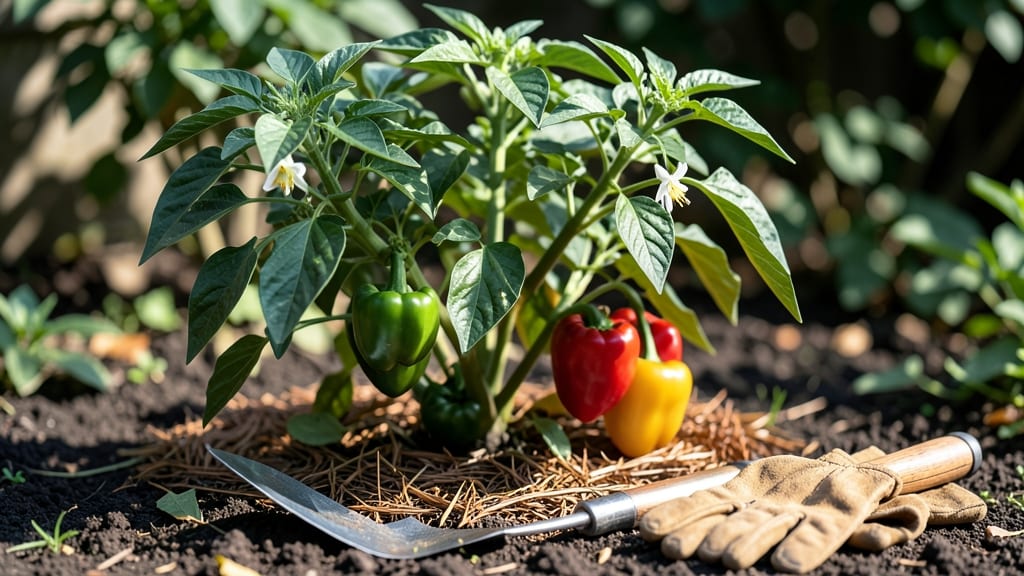
Timing your 🌶️ Bell Pepper planting in Washington State isn’t just about following a calendar—it’s about outsmarting your microclimate. Whether you’re in the cooler Puget Sound or the warmer Columbia Basin, planting too early or late can mean the difference between a bountiful harvest and wilted dreams.
Washington’s diverse zones—from 6b-9a—mean your neighbors might have completely different planting windows. I’ll break down exactly when to start seeds indoors or transplant seedlings, so you can align with your local frost dates and soil warmth. No more guessing games!
You’ll also discover how to stretch your growing season with clever tricks like row covers and succession planting. These strategies help gardeners in Zone 7 (like Puget Sound) push harvests later, while those in Zone 9a (like the Yakima Valley) can even try a fall crop.
Let’s dive into the specifics—because in Washington, the right timing turns your garden into a pepper powerhouse, not a disappointment. Ready to get started?
Washington State bell pepper planting dates by USDA Zone and microclimate
Washington State’s bell peppers thrive when planted at the right time, but the diverse USDA zones (6b-9a) mean one-size-fits-all advice won’t work.
In Zone 9a (Columbia Basin), you can plant as early as mid-April, while Zone 6b (Mountain regions) gardeners should wait until late May to avoid frost damage. Even within the same zone, microclimates like urban heat islands or coastal fog belts shift ideal dates by weeks.
For transplanting (the preferred method in WA), aim for 2-3 weeks after your last frost date—typically late April to early June. Direct sowing is riskier but possible in warmer microclimates like Yakima Valley, where soil warms faster.
Always check soil temperature (minimum 60°F) with a probe—cold soil stunts growth and attracts pests.
Puget Sound gardeners (Zones 8a-9a) face unique challenges: cooler nights and high humidity can stress peppers. Choose early-maturing varieties like ‘Early Cal Wonder’ (60 days) or ‘Sweet Banana’ (70 days) to beat the first frost (late October in Zone 8a). In Eastern WA’s arid zones (Zones 6b-7a), drought-tolerant varieties like ‘NuMex Riot’ (80 days) perform better with mulch to retain moisture.
🌱
| Region | USDA Zone | Last Frost | Planting Window | Harvest Window | Key Tip |
|---|---|---|---|---|---|
| Puget Sound (Seattle, Bellingham) | 8a-9a | Late April | May 1 - June 1 | July - September | Use row covers for cooler nights |
| Columbia Basin (Yakima, Wenatchee) | 9a | Mid-April | April 15 - May 15 | June - October | Black plastic mulch warms soil faster |
| Eastern WA (Spokane, Moses Lake) | 6b-7a | Late May | June 1 - June 15 | August - September | Choose drought-resistant varieties |
| Western WA Mountains (Leavenworth) | 5b-6a | Early June | June 15 - July 1 | September - Early October | Start seeds indoors 8-10 weeks early |
If you’re in a Zone 7
How to extend your bell pepper growing season in cool Washington climates
Washington’s cooler coastal climates (like Zone 7) can challenge bell pepper growers, but with the right strategies, you can extend harvests well beyond the typical summer window. The key is combining season-extending tools with heat-tolerant varieties that thrive in shorter growing seasons.
For gardeners in Puget Sound or Western WA, where nights stay chilly even in summer, focus on early-maturing varieties like ‘Sweet Banana’ (60 days) or ‘California Wonder’ (70 days).
These varieties can produce peppers faster before cooler weather sets in, giving you a harvest window from late July to September.
Another game-changer? Black plastic mulch warms soil by 10-15°F, helping peppers establish roots faster in cooler conditions. Lay it down 2-3 weeks before transplanting to give your plants a head start in Zone 7 or higher elevations.
Extend Your Harvest: Early vs. Late Varieties
Early Varieties
- 🌱 60-70 days to maturity
- ✅ Ideal for short seasons (Zone 7)
- 🔹 Examples: ‘Sweet Banana’, ‘Early Prolific’
- 🌡️ Tolerates cooler temps better
Late Varieties
- 🌱 80-90+ days to maturity
- ⚠️ Risky in Zone 7 unless extended
- 🔹 Examples: ‘Jupiter’, ‘King of the North’
- ☀️ Needs longer heat exposure
Use row covers or cold frames to protect late varieties from unexpected chills.
For a fall harvest, plant transplants in late July (after the first heatwave) and use floating row covers to shield them from September frosts. This tactic can push your harvest into October or November in Zone 8-9 areas like Yakima or Wenatchee.
Don’t overlook succession planting—sow a second round of seeds indoors in June and transplant them in early August. This ensures a steady supply of peppers when the first batch starts to fade. Pair this with drip irrigation to maintain consistent moisture during Washington’s unpredictable summer rains.
Pro tip: Monitor your garden’s soil temperature with a thermometer. Bell peppers need soil at 60°F or warmer to thrive—if it’s cooler, delay planting or use heat mats for containers. With these adjustments, you can turn Washington’s short growing season into a pepper-growing powerhouse!