
Plants
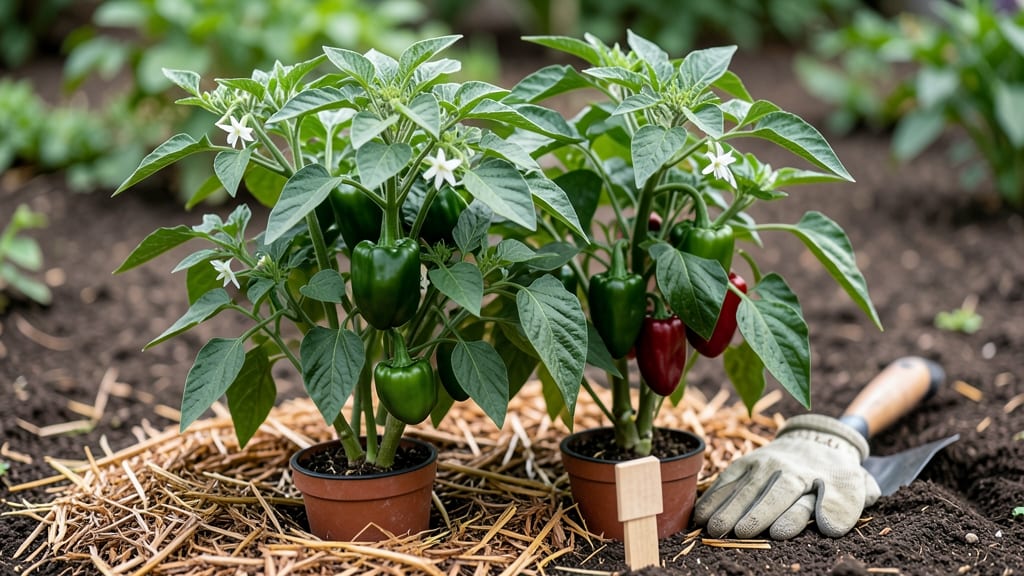
Knowing when to plant bell peppers in Tennessee can mean the difference between a thriving garden and a sad, wilted disappointment. With USDA Zone 7b's unpredictable spring weather, timing is everything for your 🌶️ plants.
If you've ever watched your pepper seedlings struggle in cool soil or seen frost nip your harvest before it even ripened, you know the stakes are high.
Most Tennessee gardeners wait until mid-April to late May to plant bell peppers after the last frost date, but there's more to it than just checking the calendar. Soil temperature plays a crucial role - your peppers need warm soil to thrive, ideally above 60°F.
Starting seeds indoors 8-10 weeks before your last frost date gives you a head start on the growing season.
What you'll discover in this guide are the precise windows for planting bell peppers in Tennessee, including how to adjust for your specific microclimate. Whether you're in Nashville or Chattanooga, we'll cover everything from soil preparation to transplanting tips that actually work in our region's unique conditions.
By the end, you'll have a clear plan to maximize your harvest from July through October, avoiding common mistakes that Tennessee gardeners often make. Let's get your bell peppers growing strong and productive this season!
Optimal bell pepper planting dates in Tennessee’s USDA Zone 7b
Tennessee’s USDA Zone 7b offers a narrow but rewarding window for growing bell peppers—just 180 frost-free days to nurture them from seed to harvest. Missing the mark by even a few weeks can leave you with stunted plants or blighted crops.
The key? Planting when soil temperatures hit 60°F or warmer and all frost risk has vanished.
Most Tennessee gardeners aim to transplant bell pepper seedlings between mid-April and mid-May, but this varies slightly by microclimate. For example, Nashville’s last frost typically occurs around April 15, while Chattanooga’s can linger until May 1.
Always check your local frost date averages—and be ready to adjust!
If you’re starting seeds indoors, begin them 8–10 weeks before your expected last frost date. This means mid-February to early March for most of Tennessee. Use grow lights or a sunny windowsill to give seedlings the 12–14 hours of light they crave before transplanting.
Direct sowing bell peppers outdoors is not recommended in Tennessee due to the risk of late frosts. Seeds need warm soil to germinate, and our spring temperatures can swing wildly. Instead, opt for transplants from a nursery or your own indoor starts.
Here’s the golden rule for Tennessee gardeners: Wait until nighttime temperatures stay above 50°F consistently. Use a soil thermometer to confirm the ground has warmed to at least 60°F—cold soil stunts root growth and delays fruiting. Patience here pays off with healthier plants and bigger peppers.
| Stage | Action | Tennessee Timeline |
|---|---|---|
| Start Seeds Indoors | 8–10 weeks before last frost | Mid-February to early March |
| Hardening Off | Acclimate seedlings to outdoors | Late March to early April |
| Transplant Outdoors | After last frost, soil ≥60°F | Mid-April to mid-May |
| First Harvest | 75–90 days after transplanting | Late July to early October |
For gardeners in higher-elevation areas (like the Great Smoky Mountains), push back your planting dates by 1–2 weeks to account for cooler temperatures. Conversely, urban heat islands (like Memphis) may allow you to plant 1 week earlier—just monitor your local weather closely.
Pro tip: Use row covers or black plastic mulch to warm the soil faster and protect young plants from unexpected late frosts. These tricks can shave 1–2 weeks off your growing season, giving you an earlier start on harvests.
Just remove covers once flowers appear to prevent heat stress.
Don’t overlook fall planting either! If you’re eager for another harvest, try transplanting heat-tolerant varieties like 'Carolina Wonder' in late July. With proper care, you might snag a few peppers before the first frost hits in mid-October.
Just be prepared to extend the season with row covers or a small greenhouse.
Remember, bell peppers thrive on consistency. Once planted, maintain even moisture and full sun to encourage robust growth. With the right timing, you’ll be feasting on homegrown peppers from summer through early fall—no grocery store in sight!
Optimal bell pepper planting dates in Tennessee’s USDA Zone 7b
Tennessee’s USDA Zone 7b offers a 180-day growing season, but timing your bell pepper planting correctly is key to avoiding frost damage and maximizing your harvest. The last average frost date in most of Tennessee falls around mid-April, but soil warmth matters more than calendar dates.
For direct sowing, wait until the soil reaches at least 60°F—typically late April to early May. If you’re starting seeds indoors, begin 8-10 weeks before your last frost date (around mid-March) to ensure strong seedlings ready for transplanting by late April.
| Stage | Action | Tennessee Timeline |
|---|---|---|
| Start Seeds Indoors | 8-10 weeks before last frost | Mid-March |
| Hardening Off | 1-2 weeks before transplanting | Late April |
| Transplant Outdoors | After last frost, soil ≥60°F | Late April–May 15 |
| Direct Sow Outdoors | Soil ≥60°F, no frost risk | May 1–May 15 |
| First Harvest | 75-90 days after transplanting | July–August |
Microclimates in Tennessee can shift planting windows by 1-2 weeks. For example, Nashville’s slightly warmer urban areas may allow earlier planting, while Chattanooga’s higher elevations might need to wait until late May. Always check your local frost date averages and monitor soil temps with a thermometer.
Pro tip: Use row covers or black plastic mulch to warm soil faster if you’re eager to plant early. This trick can shave off 1-2 weeks from your growing season, giving you an earlier harvest. Just be sure to remove covers when flowers appear to prevent heat stress.
For fall planting, Tennessee’s first frost typically arrives in mid-October, leaving just enough time for a second crop if you start seeds indoors by mid-July. Varieties like ‘Carolina Wonder’ thrive in Tennessee’s heat and humidity, making them ideal for both spring and fall harvests.