
Plants
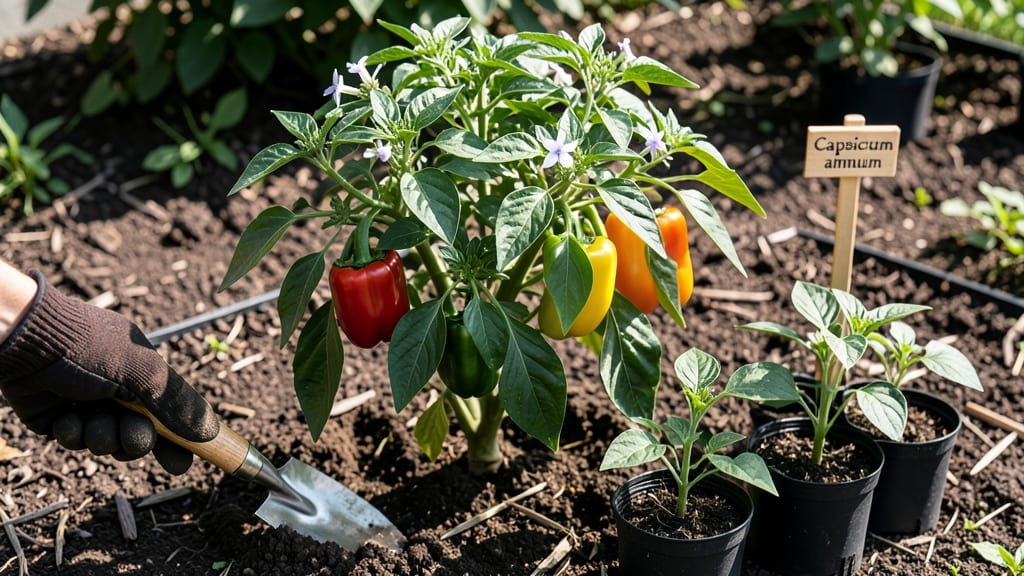
If you’ve ever watched your 🌶️ bell peppers wilt under Kansas’ unpredictable spring weather, you’re not alone—but knowing when to plant bell peppers in Kansas is the key to turning that frustration into a bountiful harvest.
The difference between a thriving crop and a failed one often comes down to one critical window—planting them at the right time in Zone 6a. Too early, and frost will turn your seedlings into sad, mushy memories; too late, and your peppers might bolt before they even ripen.
Here’s the good news: Kansas gardeners have a clear frost-free deadline to work with, and I’ll walk you through exactly when to plant—whether you’re starting seeds indoors or sowing directly into the garden.
We’ll also cover how to adjust for early, mid-, or late-season varieties so you can enjoy peppers from July through October without the guesswork.
Why does timing matter so much? Bell peppers are heat-loving plants that need consistent warmth to thrive, and Kansas’ spring can be a rollercoaster. By following these zone-specific guidelines, you’ll avoid the two biggest mistakes—frost damage and premature bolting—while maximizing your harvest potential.
Ready to grow peppers that actually make it to your dinner table? Let’s dive into the perfect planting schedule for Kansas, so you can skip the trial-and-error and start enjoying homegrown 🌶️ bell peppers like a pro.
Kansas Zone 6b bell pepper planting deadlines: avoid frost and bolt risk
In Kansas’ Zone 6b, bell peppers (Capsicum annuum) need precise timing—plant too early, and a late frost will kill tender seedlings; too late, and your plants may bolt (flower prematurely) before producing peppers.
The frost-free window here spans roughly April 15 to October 15, but your exact deadlines depend on microclimates and elevation.
For most of Kansas, the last average frost date falls around April 15, but western regions (like Garden City) can be 1-2 weeks earlier. Eastern areas (e.g., Kansas City) may see frost linger until May 1.
Always check your local USDA Plant Hardiness Zone map or use the National Weather Service frost predictions for your county.
Bell peppers thrive in warm soil (60°F+) and air temperatures above 55°F. If you’re starting seeds indoors, begin them 8-10 weeks before your last frost date (so mid-February to early March for most of Kansas).
Transplant seedlings outdoors only after soil warms to 60°F—use a soil thermometer to confirm.
Direct sowing is riskier in Kansas due to frost threats, but if you’re hardened and willing to use row covers, you can plant seeds outdoors after May 15. However, seedlings take 60-90 days to mature, so late plantings may not yield before fall frosts.
| Stage | Action | Kansas Zone 6b Deadline |
|---|---|---|
| Start seeds indoors | 8-10 weeks before last frost | Mid-February to early March |
| Transplant outdoors | Soil temp ≥60°F, no frost risk | April 30 – May 15 |
| Direct sow outdoors | Soil temp ≥70°F, after May 15 | Late May – early June |
| Harvest window | Peppers mature in 60-90 days | July – October |
To maximize your harvest, choose early-maturing varieties (e.g., ‘Early Cal Wonder’, ‘King of the North’) if planting near the deadline. These varieties can produce peppers in as few as 60 days, giving you a buffer against fall frosts.
Avoid late-season varieties like ‘Jupiter’ unless you’re extending your season with a greenhouse or row covers.
Pro tip: Use black plastic mulch to warm soil faster and straw mulch to retain moisture. This can push your planting window 1-2 weeks earlier by raising soil temperatures by 5-10°F.
Pair this with drip irrigation to keep roots consistently moist without wetting foliage (which invites fungal diseases like blight).
If you’re in a high-elevation area (e.g., near Wichita Mountains), err on the side of caution and wait until May 1 to transplant, as cold air pools in valleys. Conversely, low-lying areas (like the Arkansas River bottoms) may warm up faster—monitor soil temps closely.
Remember: Bell peppers are heat-lovers, so avoid planting too early. If your seedlings emerge in cool, cloudy weather, use a cloche or row cover to protect them until soil and air warm up. This prevents stunted growth and poor fruit set.
Finally, keep an eye on the 10-day forecast leading up to your transplant date. If a late frost warning appears, delay planting by 1-2 weeks or use frost cloth for extra protection.
With these deadlines, you’ll avoid both frost damage and bolt risk, ensuring a bountiful harvest of sweet, homegrown bell peppers.
How to extend your Kansas bell pepper growing season without risking frost
Kansas’ short growing season can feel like a race against time for bell pepper lovers, but with the right strategies, you can safely extend your planting window by 2-4 weeks on either end.
The key is protecting tender seedlings from late spring frosts and early fall chills while maintaining the 60°F+ soil temperatures your peppers crave. Here’s how to push your deadlines without risking frost damage or poor fruit set.
First, consider a cold frame or mini greenhouse to start seeds 4-6 weeks earlier than usual. These structures trap heat during the day and insulate at night, allowing you to begin sowing indoors by late January (instead of February).
Place your cold frame in a south-facing location to maximize sunlight exposure—this can raise soil temps by 10-15°F compared to open ground.
For outdoor protection, row covers (also called frost blankets) are your best friend. Made from lightweight fabric, they create a microclimate that can raise temperatures by 5-8°F and shield plants from 28°F+ frosts. Use them to transplant seedlings 2 weeks earlier than your usual deadline, or to direct-sow seeds as early as mid-April in sheltered spots. Just
- 🌱 Start seeds in a cold frame (late January) to begin 4-6 weeks early.
- 🌡️ Use black plastic mulch to warm soil 5-10°F faster than bare earth.
- ✂️ Install row covers to transplant 2 weeks earlier or direct-sow mid-April.
- ☀️ Place peppers near heat-absorbing surfaces (brick walls, dark containers) to trap warmth.
- 🌿 Plant companion crops like basil or marigolds to deter pests and reflect heat.
Another game-changer is black plastic mulch. Laying it down 2-3 weeks before planting can raise soil temperatures by 10-15°F, allowing you to transplant 1-2 weeks earlier than usual. Pair this with drip irrigation to keep mulch moist—dry mulch loses its heat-trapping effectiveness. For extra insulation, top the mulch with straw or grass clippings to retain moisture and moderate temperature swings.
If you’re determined to grow late-season peppers, focus on heat-tolerant varieties and use low tunnels (hoop houses covered with row fabric) to extend your harvest into early November. These structures create a protected growing space that can add 3-4 weeks to your season.
Just ventilate them on warm days to prevent humidity buildup, which invites fungal diseases like powdery mildew.
Finally, don’t overlook the power of companion planting. Pairing bell peppers with basil, marigolds, or onions creates a microclimate that reflects heat and deters pests. Basil, for example, can raise soil temperatures by 2-3°F while repelling aphids and spider mites.
Plant these companions 2-3 weeks before your peppers to give them time to establish and start warming the soil.
With these strategies, you can safely extend your Kansas bell pepper season by up to 2 months—from late March to early November—while avoiding frost damage and bolt risk.
The key is layering protection: start early in a cold frame, use mulch and row covers, and choose the right companions. That way, you’ll enjoy homegrown peppers from July through October (or even later!) without the guesswork.