
Plants
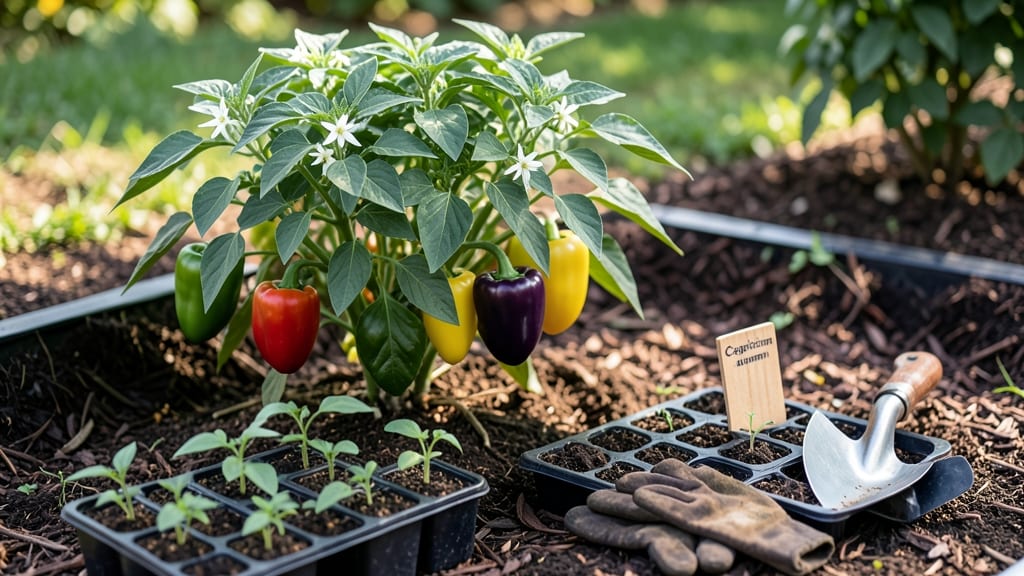
Oklahoma bell pepper planting zones & frost-free timing
Oklahoma’s USDA zones 6b-8a create a 100-day window for growing bell peppers, but timing varies drastically between northern and southern regions. In Zone 6b (e.g., Oklahoma City), the last frost typically hits around April 1, while Zone 8a (e.g., Ardmore) sees frost-free conditions by March 1.
This 3-week difference means transplanting too early in the north risks frost damage, while southern growers can start earlier.
Bell peppers thrive when soil temperatures stay above 60°F for at least 2 weeks before transplanting.
In Oklahoma, this usually aligns with mid-April to early June, depending on your location. Northern Oklahoma (e.g., Tulsa) should wait until April 15, while southern Oklahoma (e.g., Lawton) can plant as early as March 20 under black plastic mulch to warm the soil faster.
Here’s the critical rule: Never transplant bell peppers outdoors until nighttime temperatures consistently stay above 55°F. A late frost in May (not uncommon in Zone 6b) can wipe out young plants in days. Use row covers or move potted plants indoors temporarily if frost is forecasted after transplanting.
Oklahoma’s growing season length (days between last and first frost) ranges from 180 days in Zone 6b to 210 days in Zone 8a. This means fast-maturing varieties (60-70 days to harvest) are ideal for northern regions, while longer-season varieties (75-90 days) can thrive in southern Oklahoma’s extended heat.
For direct sowing (planting seeds outdoors), wait until soil temperatures reach 70°F—typically late May to early June in most of Oklahoma. Direct-sown peppers germinate slower in cooler soil, so starting indoors 8-10 weeks before your last frost date is the safer bet for a reliable harvest.
| Region | USDA Zone | Last Frost Date | Safe Transplant Window | First Frost Risk |
|---|---|---|---|---|
| Northern OK (Oklahoma City, Tulsa) | 6b | April 1 | April 15 - May 15 | Late May frost possible |
| Central OK (Stillwater, Norman) | 7a | March 25 | April 1 - May 10 | Minimal risk after April 15 |
| Southern OK (Lawton, Ardmore) | 8a | March 1 | March 15 - June 1 | Very low risk after March 15 |
If you’re in Zone 6b, consider starting seeds indoors in February for early transplants. Use grow lights to supplement short winter days, and harden off seedlings by mid-March to prepare for outdoor conditions.
For Zone 8a, you can direct-sow seeds as early as March 15 under protective covers, but be ready to shield them from unexpected cold snaps.
Oklahoma’s summer heat (often exceeding 95°F) can stress bell peppers if not managed properly. After transplanting, provide afternoon shade during peak heat waves to prevent sunscald on fruits. Drip irrigation is ideal—it keeps foliage dry and delivers water directly to roots, reducing stress.
For extended harvests, succession plant every 2-3 weeks from April to June. This ensures a continuous supply of peppers from July through October, even as summer heat tapers off.
In Zone 6b, your last planting should go in by June 1 to allow 80 days of growth before the first frost.
Monitor local weather forecasts and Oklahoma Mesonet data for real-time soil and air temperatures. Their free online tools provide hyper-localized frost risk alerts—essential for adjusting your planting timeline. Don’t rely solely on average dates; Oklahoma’s unpredictable weather patterns demand flexibility.
🌶️
Step-by-step heat-tolerant planting schedule for Oklahoma growers
Bell peppers thrive in Oklahoma’s heat, but timing is everything—start too early and risk frost damage, too late and miss peak production. My step-by-step schedule aligns with USDA zones 6b-8a, ensuring heat-loving peppers get a strong start.
Whether you’re growing from seeds indoors or transplanting seedlings, these milestones keep your harvest on track.
First, mark your calendar for April 15–June 15 as your transplant window after last frost. For indoor starts, begin seeds 8–10 weeks before your last frost date—typically February 15–March 1 for northern Oklahoma and March 1–March 15 for southern regions.
Use grow lights or a sunny windowsill to prevent leggy seedlings.
🌱
For direct sowing, wait until May 1–June 1 when soil temps are consistently above 65°F. Plant seeds ¼ inch deep and thin seedlings to 18 inches apart once they’re 2–3 inches tall. This method works best for heat-tolerant varieties like ‘Carolina Wonder’ or ‘Jupiter’.
Pro tip: Pair bell peppers with basil, onions, or marigolds to deter pests and boost flavor. Avoid planting near fennel or beans, which can stunt growth. With this schedule, you’ll enjoy peppers from July through October, even in Oklahoma’s 90°F+ summers.
☀️