
Plants
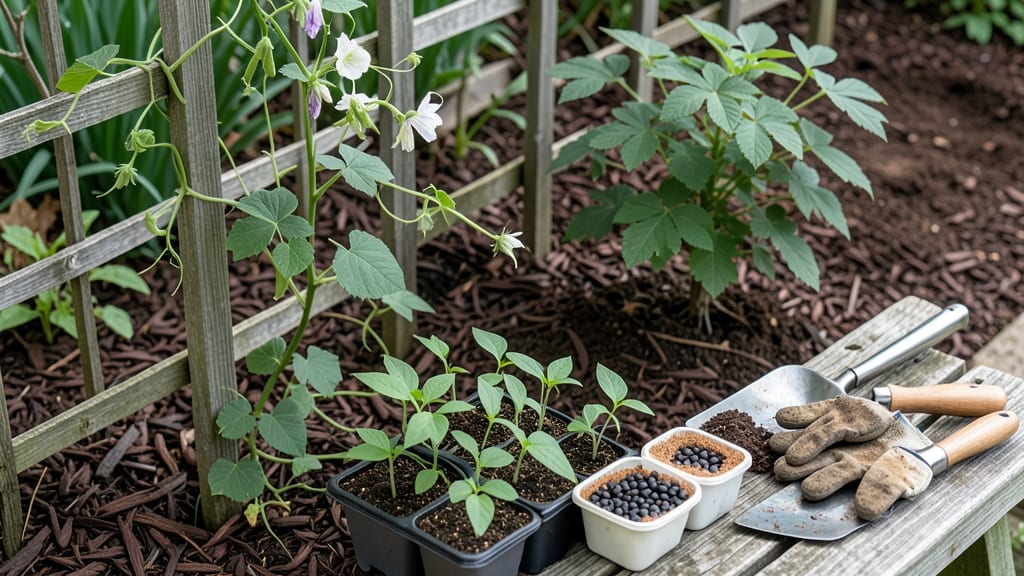
Timing your beans 🌱 planting in Massachusetts can mean the difference between a thriving garden and a wasted season—because those late frosts don’t care about your harvest plans.
Whether you’re growing bush beans for quick pickings or pole beans for a climbing feast, getting the dates right is the key to avoiding disappointment.
Here’s the truth: planting too early risks frost damage, while waiting too long cuts your harvest short. The sweet spot? Between mid-April and mid-June, once the soil warms and the last frost has passed. But with Massachusetts’ varied microclimates—from coastal breezes to inland heat—even these windows can shift.
In this guide, I’ll break down exactly when to plant each type of bean, from cold-tolerant varieties to heat-loving champions, so you can match your garden’s conditions to the perfect planting schedule. No more guesswork, just a reliable roadmap to a summer full of fresh, homegrown beans.
Ready to turn your garden into a bean bonanza? Let’s dive into the details—because in Massachusetts, timing isn’t just important, it’s everything.
Massachusetts bean planting deadlines by variety type (with frost risk zones)
Massachusetts’ diverse climate—from coastal Boston to inland Worcester—means last frost dates can vary by 2-3 weeks. For most of the state, aim to plant beans after May 15 to avoid frost damage, but coastal areas like Cape Cod may wait until June 1.
Understanding these deadlines ensures your pole beans, bush beans, and dwarf varieties thrive.
Pole beans, like Kentucky Wonder, need a longer growing season (80-90 days), while bush beans such as Blue Lake mature faster (50-60 days). In Massachusetts’ USDA Zones 5b-6b, timing depends on both frost risk and soil temperature—beans won’t sprout well in cold soil (below 60°F).
Let’s break down the best windows for each variety.
🌱
For Boston and coastal areas, push planting back to June 1–15 due to delayed soil warming. In Worcester and Springfield, where frosts are less frequent, you can start pole beans by May 15 and bush beans by April 20 in raised beds with black plastic mulch.
Always check your local frost-free date—the USDA Plant Hardiness Zone Map for Massachusetts is a great resource.
If you’re unsure about your last frost date, use biodegradable row covers to protect early plantings. These covers raise soil temperature by 5–10°F, accelerating germination. For pole beans, install trellises at planting to avoid disturbing roots later.
Bush beans, being shorter, don’t require support but benefit from mulch to retain moisture.
Succession planting is key for a continuous harvest. After your first planting of bush beans (early May), sow a second batch every 2 weeks until July 1. This ensures fresh pods from July through September, even as early varieties finish.
For pole beans, a single late-June planting will yield into early fall if protected from early October frosts.
🌿
One common mistake is planting beans too deep—seeds need light to germinate. Bury them only 1 inch deep and space them 3–4 inches apart (6 inches for pole beans). Soil temperature is critical: use a soil thermometer to confirm it’s at least 60°F before sowing.
If your soil is cold, warm it with black plastic mulch laid 1–2 weeks before planting.
For fall harvests, consider Rattlesnake beans, which thrive in late summer heat and produce until first frost. Plant these June 15–July 1 for a September–October bounty. Pair them with corn and squash for a classic Three Sisters companion planting setup that improves soil health and deters pests.
🌱
How to adjust planting timing for Massachusetts’ microclimates and soil conditions
Massachusetts’ diverse climate means your bean planting schedule should adapt to your specific location. Coastal areas like Cape Cod and Provincetown often have milder springs, allowing earlier planting—sometimes as early as late April.
Meanwhile, inland regions like Worcester or the Berkshires may wait until mid-May to avoid frost risk. Check your local USDA Zone (5a-6b) for precise guidance.
Soil temperature is just as critical as air temperature. Beans need soil that’s at least 60°F (15°C)—use a soil thermometer to verify. If your soil is too cold, try warming it with black plastic mulch or a cold frame 1-2 weeks before planting.
This trick works especially well for urban gardens with limited space or raised beds that cool faster.
Common Mistakes to Avoid
- Planting too deep—beans need only 1 inch of soil coverage; deeper planting stunts growth.
- Ignoring soil temperature—cold soil delays germination, even if air temps seem warm.
- Skipping succession planting—for a continuous harvest, sow new seeds every 2 weeks until July 15.
For raised beds, plant beans on the north or west sides to protect them from harsh afternoon sun, which can stress young plants. If you’re in a shady spot, opt for dwarf varieties like ‘Mascotte’, which tolerate partial shade better than taller types.
Always amend your soil with compost before planting—beans are heavy feeders and thrive in well-draining, slightly acidic soil (pH 6.0-7.0).
Extend your harvest by planting late-season varieties like ‘Kentucky Wonder’ in early July. These beans mature quickly and can produce pods before the first frost in October.
Use row covers or cloches to shield them from unexpected chills. Just remember: beans hate wet feet, so avoid planting in low-lying areas where water pools after rain.
If you’re using container gardening, choose bush beans like ‘Blue Lake’ for their compact size. Containers warm up faster than ground soil, so you can plant them 1-2 weeks earlier than in-ground varieties.
Just ensure your pots have drainage holes and use a lightweight potting mix to prevent root rot.
Finally, keep an eye on your local weather forecasts—especially if you’re planting near Memorial Day. A late frost can devastate tender seedlings. When in doubt, err on the side of planting later rather than risking frost damage.
With these adjustments, you’ll maximize your bean yield regardless of where you garden in Massachusetts.