
Plants
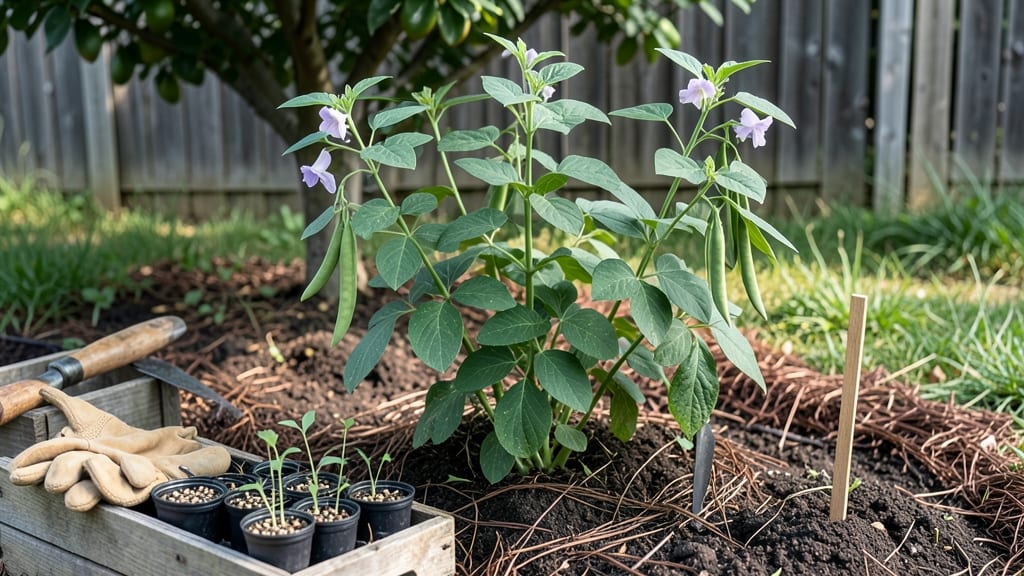
Timing your bean planting in Virginia can make or break your harvest—get it wrong, and you might end up with stunted 🌱 plants or missed opportunities.
The key is understanding your local frost dates and soil conditions, which vary dramatically from the cooler mountains in Zone 5a to the warmer coastal areas in Zone 7b.
I’ve grown beans across Virginia’s diverse climate zones, and what I’ve learned is that soil temperature matters just as much as the calendar. Most varieties thrive when the ground reaches at least 60°F, but heat-loving types like Kentucky Wonder need even warmer conditions to really shine.
Whether you’re planting bush beans for quick harvests or pole beans for a longer season, knowing when to start seeds indoors or directly in the ground can save you from wasted effort.
Let me walk you through the exact planting windows for your zone, plus the best varieties to choose for your area.
From avoiding early frost damage to extending your growing season with row covers, I’ll cover everything you need to turn your garden into a bean-producing powerhouse. Ready to get started?
Virginia bean planting calendar: frost dates by Zone (5a-7b)
Virginia’s climate varies dramatically from the cooler mountains in Zone 5a to the hotter coastal plains in Zone 7b. This means your planting window for beans can shift by 4-6 weeks depending on where you live.
For example, gardeners in Roanoke (Zone 6a) can plant as early as late April, while those in Blacksburg (Zone 5b) should wait until mid-May to avoid frost damage.
Beans thrive in warm soil—aim for temperatures above 60°F (15°C)—which typically aligns with Virginia’s last frost dates. In Zone 7b (Richmond, Norfolk), you can start planting in early April, while Zone 5a (Highland County) may not see safe planting until late May.
Always check your local USDA Plant Hardiness Zone for precision.
Here’s a quick guide to Virginia’s frost-free planting windows for beans, broken down by zone and variety type:
| USDA Zone | Last Frost Date | Ideal Planting Window | Best Varieties | Soil Temp Requirement |
|---|---|---|---|---|
| 5a (Highland County) | May 15 | Late May - Early June | Kentucky Wonder, Provider | 65°F+ (18°C+) |
| 6a (Roanoke) | April 20 | Late April - Mid-May | Blue Lake, Tendercrop | 60°F+ (15°C+) |
| 7a (Charlottesville) | April 5 | Early April - Early May | Contender, Roma II | 58°F+ (14°C+) |
| 7b (Richmond, Norfolk) | March 15 | Early March - Late April | Scarlet Runner, Rattlesnake | 55°F+ (13°C+) |
For Zone 7b, where summers are long and hot, you can even plant a second crop in late July for a fall harvest. Just be sure to choose heat-tolerant varieties like ‘Scarlet Runner’ or ‘Rattlesnake’, which thrive in Virginia’s humid summers.
In cooler zones like 5a, focus on early-maturing bush beans to avoid late-season pests.
Pro tip: Use a soil thermometer to confirm warmth before planting. Beans won’t germinate in cold soil, no matter how eager you are to see sprouts! Aim for 70°F (21°C) for fastest germination, especially for pole beans, which take longer to establish.
If you’re in Zone 6a or below, consider using black plastic mulch to warm the soil faster and extend your planting window. This trick works wonders for late-May plantings in areas like Roanoke, where nights can still dip below freezing.
Don’t forget about fall planting! In Zones 7a and 7b, you can sow beans as late as August 15 for a harvest before the first frost. Just choose short-day varieties like ‘Provider’ or ‘Blue Lake’, which mature quickly in cooler fall temperatures.
For a foolproof approach, mark your calendar with your average last frost date and count back 2-3 weeks for bush beans or 4-6 weeks for pole beans. This gives seedlings time to establish before summer
Best bean varieties for Virginia gardens: when to sow for maximum yield
Choosing the right bean varieties for Virginia’s climate is key to a successful harvest. Bush beans like 'Blue Lake' mature quickly (55-60 days), perfect for early spring or late summer plantings.
Meanwhile, pole beans such as 'Kentucky Wonder' need more time (70-80 days) and thrive in warmer months when vines can climb.
Runner beans, like 'Scarlet Emperor,' love heat and should only be planted after soil temperatures hit 65°F consistently. These varieties are ideal for Zone 7b gardeners who want to extend their harvest into late fall.
For continuous harvests, practice succession planting every 2-3 weeks after your first planting. This works especially well for bush beans, which produce pods quickly. Just remember: never plant beans where tomatoes or peppers grew last year to avoid disease.
| Variety | Type | Days to Harvest | Best Planting Time | Soil Temp |
|---|---|---|---|---|
| Blue Lake | Bush | 55-60 | April-May, Aug-Sept | 60°F+ |
| Kentucky Wonder | Pole | 70-80 | May-June | 65°F+ |
| Scarlet Emperor | Runner | 80-90 | June-July | 70°F+ |
| Provider | Bush | 60-65 | April-July | 55°F+ |
If you're in Zone 5a-6a, focus on early-maturing varieties like 'Provider' to avoid fall frost. In Zone 7b, you can push the limits with late-season plantings of heat-loving varieties, but always use row covers if nights dip below 50°F.
For container gardening, opt for bush beans in 12-inch pots—they thrive with consistent moisture and morning sunlight. Just ensure your containers have drainage holes to prevent root rot from overwatering.
My best tip? Test your soil before planting—beans need pH 6.0-7.0 and well-draining soil. If your garden soil is heavy clay, mix in compost or sand to improve drainage and aeration.