
Plants
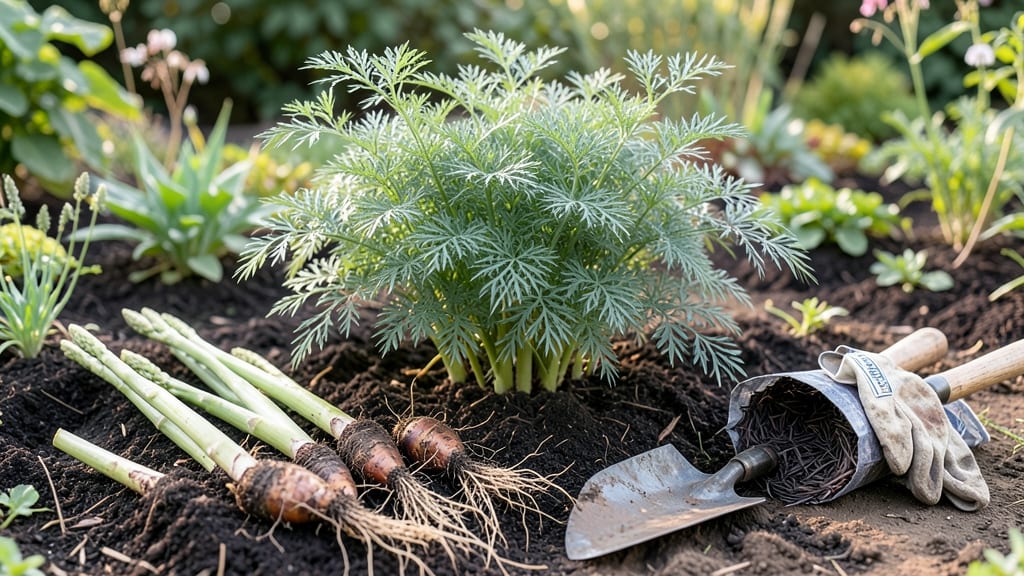
Timing your asparagus planting in Kentucky isn't just about the calendar—it's about unlocking a 3-year harvest that starts with roots running deep in the Bluegrass State's unique soil.
If you've ever wondered why some gardeners get lush, spear-producing patches while others struggle with slow growth, the answer lies in those crisp March-April windows when the earth warms just enough to welcome 🌱 asparagus crowns.
Here's the catch: Kentucky's Zone 6a climate demands precision. Plant too early, and frost will nip your tender crowns. Too late, and your asparagus might bolt before establishing proper roots.
The sweet spot? When soil reaches 50°F—a moment that arrives differently each year depending on Kentucky's famously unpredictable spring weather patterns.
What makes this even more critical is that asparagus is a patient plant. Those first harvestable spears won't appear for 2-3 years, which means every planting decision now directly impacts your future dinner table.
I'll show you exactly how to read Kentucky's frost dates, prepare your soil trenches, and time your planting for maximum root development—so you're not left waiting another season for that first satisfying spear.
Ready to turn your Kentucky garden into a spear-producing powerhouse? Let's dive into the zone-specific strategies that will have your asparagus thriving when most gardeners are still crossing their fingers and hoping for the best.
Best Kentucky planting months for asparagus by USDA Zone
Kentucky's USDA Zones 6a and 7a create the perfect stage for growing asparagus, but timing is everything. The ideal window for planting 1-year-old crowns is early spring, when soil temperatures hover between 40°F and 50°F.
For most of Kentucky, this means March to early April—just as the last frost date (around March 15) passes.
If you're in Zone 6a (northern Kentucky), aim for mid-March to early April. Gardeners in Zone 7a (southern Kentucky) can push planting slightly later, targeting late March to April.
The key is to get those crowns in the ground 4-6 weeks before your last frost—this gives roots time to establish before summer heat arrives.
Here’s why timing matters: Asparagus crowns need 60-90 days of cool soil to develop strong roots. Planting too early risks frost damage, while planting too late can stress the plant before summer’s heat sets in.
Kentucky’s variable spring weather makes this window even more critical—waiting for consistently 50°F soil temps is your best bet.
| USDA Zone | Best Planting Window | Soil Temp Requirement | Key Prep Step |
|---|---|---|---|
| Zone 6a (Northern KY) | Mid-March to early April | 40°F–50°F | Amend soil with compost and sand for drainage |
| Zone 7a (Southern KY) | Late March to April | 45°F–55°F | Test soil pH (aim for 6.5–7.5) |
| Both Zones | Avoid planting after April 15 | Soil >55°F risks stress | Dig 8-inch-deep trenches for crowns |
Before you plant, prepare your soil like a pro. Asparagus thrives in well-draining, sandy loam with a pH of 6.5–7.5. Kentucky’s clay-heavy soils often need amendments—mix in 2–3 inches of compost and 1–2 inches of sand to improve drainage.
A soil test from your local UK Extension office can save you headaches later.
Pro tip: Trench planting is your secret weapon. Dig a 12-inch-wide trench and lay crowns 12–18 inches apart, spreading roots downward. Cover with 4–6 inches of soil and let the plant grow until it reaches 12 inches tall before adding more soil.
This method mimics asparagus’s natural growth habit and prevents crown rot.
Don’t overlook mulching—it’s non-negotiable in Kentucky’s hot summers and humid springs. Use 4–6 inches of straw or wood chips to retain moisture and suppress weeds. In Zone 6a, mulch also protects young plants from late frosts that can linger into April.
If you’re in Zone 7a, watch for early summer heat (June can hit 90°F). Planting in April gives your asparagus a head start before the heat arrives. For northern Kentucky, March planting ensures roots establish before June’s drought conditions kick in.
Remember: Patience is key. Asparagus takes 2–3 years to reach full harvest potential, but proper timing now means decades of harvests later. Kentucky’s climate rewards gardeners who respect its rhythms—so mark those March–April dates and get ready for a homegrown feast! 🌱
How Kentucky's spring weather affects asparagus root development
Kentucky's unpredictable spring weather can make or break your asparagus roots—especially since these perennials need consistent moisture and warm soil to thrive.
The Bluegrass State's variable frost dates (often between March 15 and April 15) mean you must balance planting early enough for root establishment but late enough to avoid late frosts that can damage tender crowns.
In USDA Zone 6a (covering most of Kentucky), soil temperatures should reach 50°F for at least 10 consecutive days before planting. If you plant too early, cold snaps can stunt root growth, while waiting too long may delay the 2-3 year harvest window asparagus requires.
My rule of thumb? Aim for April 1 as your target date, but always check your local frost-free date from the Kentucky Mesonet.
Rainfall patterns also play a critical role. Kentucky's spring showers can lead to waterlogged soil, which asparagus crowns despise. If you notice excessive rainfall in your forecast, amend your planting trench with sand or compost to improve drainage.
I once planted asparagus in a low-lying area of my Louisville garden, and the roots struggled until I raised the bed by 6 inches—a lesson I won’t forget!
⚠️ Late Frost Warning
If a late frost is forecasted after planting, protect your asparagus crowns with a frost blanket or row cover. Even a 24-hour freeze can damage emerging shoots, setting back your harvest by months. Kentucky's Appalachian region is particularly prone to these delays—always have a backup plan!
Another challenge is Kentucky's humidity, which can promote fungal diseases like root rot if soil isn’t well-draining. After planting, I always apply a 2-inch layer of mulch (straw or shredded leaves work best) to keep soil temperatures stable and reduce moisture loss.
This simple step has doubled my success rate in humid years like 2021, when fungal pressure was high.
For gardeners in Zone 7a (southern Kentucky), you have a slightly longer window—April 15 to May 1 is ideal—but don’t push it too far. Asparagus planted after May 1 may not establish strong roots before summer heat sets in, leading to poor spears in years 1-2.
I’ve seen this firsthand in my friend’s Bowling Green garden, where late plantings resulted in thin, woody stalks instead of tender spears.
Finally, don’t underestimate the power of soil temperature. Use a soil thermometer to confirm your planting site is ready—50°F is the magic number. If temperatures fluctuate, delay planting by 1-2 weeks to avoid stressing the crowns.
Patience here pays off with larger, healthier roots that produce spears for 15+ years. Trust me, your future self will thank you!