
Plants
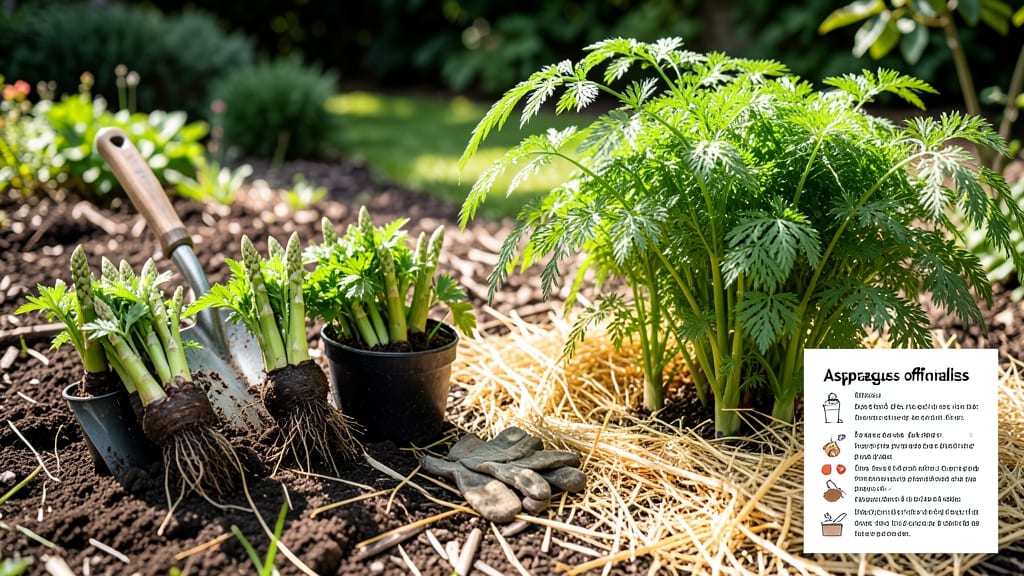
Timing your asparagus planting in Minnesota can mean the difference between a thriving garden and a wasted investment—because those delicate crowns need just the right conditions to take root before summer arrives.
With Minnesota's unpredictable USDA Zones 3-5, getting the window wrong could leave your 🌱 struggling through frost or failing to establish strong roots before harvest season.
Most gardeners here know the golden rule: plant asparagus crowns 4-6 weeks before the last frost, typically between early March and mid-April.
But there's more to it than just dates—soil temperature, variety selection, and even your specific region within the state play crucial roles in ensuring your asparagus thrives for years to come.
I've seen firsthand how a few weeks' difference can impact yield, especially with Minnesota's short growing season. Whether you're working with cold-hardy varieties like Jersey Knight or the classic Mary Washington, understanding these nuances is the key to maximizing your harvest potential.
Let's break down exactly what you need to know to time your planting perfectly—so you can enjoy fresh, homegrown spears from June through July without the guesswork.
Minnesota’s ideal asparagus planting months and USDA Zone adjustments
Minnesota’s short growing season demands precision when planting asparagus crowns. In USDA Zones 3-5, your best window is late March to mid-April, but timing varies by region.
Southern Minnesota (Zone 5) can start as early as late February if soil temps hit 40°F+, while northern areas (Zone 3) should wait until after April 15 to avoid frost damage.
Cold-hardy varieties like Jersey Knight and Mary Washington thrive in Minnesota’s climate, but their success hinges on planting 4-6 weeks before your last frost date. Use your average last frost date as your guide—most Minnesota gardeners aim for April 15 in central regions, but check local records for accuracy.
Soil temperature is more critical than air temperature. Asparagus crowns won’t sprout until soil reaches 40°F+. In Minnesota, this typically aligns with mid-April in southern areas and late April in northern zones.
Use a soil thermometer to confirm—planting too early in cold soil can rot crowns before they establish.
For gardeners in Zone 4 (central/southern MN), early April is ideal. In Zone 3 (northern MN), wait until after May 1 to ensure roots develop before summer heat arrives. Late plantings in May still work but may reduce first-year spear production.
| Minnesota Region | USDA Zone | Best Planting Window | Soil Temp Threshold | Frost Risk |
|---|---|---|---|---|
| Southern MN (Twin Cities) | Zone 4b-5a | Late March - Early April | 40°F+ (mid-March) | Low after April 15 |
| Central MN (St. Cloud) | Zone 4a | Mid-April | 40°F+ (late April) | Moderate until May 1 |
| Northern MN (Duluth) | Zone 3b | Late April - Early May | 40°F+ (early May) | High until May 15 |
| All Regions (Cold Frame) | 3-5 | February (with protection) | 40°F+ (soil warmed) | Eliminated with cover |
Minnesota’s variable spring weather makes planning tricky. If you plant in March, use row covers or straw mulch to protect crowns from late frosts. For April plantings, focus on well-draining soil—Minnesota’s clay soils can become waterlogged, suffocating roots.
Pro tip: Plant 1-year-old crowns (not seeds) for faster establishment. Seeds take 2-3 extra years to produce spears—something Minnesota gardeners don’t have time for! Choose crowns with 8-10 healthy buds for best results.
In Zone 5, you can push the envelope and plant as early as February 20 using black plastic mulch to warm the soil. Monitor soil temps daily—if they drop below 35°F, cover crowns immediately with straw or burlap to prevent frost damage.
Remember: Asparagus is a perennial investment. Crowns planted in April will produce spears by year 3, while late plantings may delay harvest by a season. Prioritize timing over rushing—patience pays off with decades of harvests.
For gardeners in Zone 3, consider container growing to extend your season. Pots can be moved to protected garages in winter and brought outside in May, giving you a 2-week head start on in-ground plantings.
How to time asparagus planting for maximum root development in short seasons
Minnesota’s short growing season demands precision when planting asparagus—soil temperature is your best friend. Aim for 40°F+ soil (use a soil thermometer) before planting crowns, typically 4-6 weeks before your last frost date.
In northern Minnesota (Zone 3), this often means late April to early May, while southern regions (Zone 5) can start as early as March.
Cold soil slows root growth, so don’t rush—waiting a few weeks for consistent warmth ensures stronger establishment. If your soil stays cold, consider raising beds or using black plastic mulch to warm it faster. This trick can shave off critical weeks in Minnesota’s unpredictable spring.
Cold soil (below 40°F) causes rot in asparagus crowns. If you plant in March in northern MN and temperatures dip again, your entire crop could fail. Use row covers only after soil warms consistently.
For those eager to extend the season, cold frames or low tunnels can push planting back by 2-3 weeks in early spring. Remove covers once spears emerge to prevent overheating.
Just remember: asparagus roots are shallow—don’t bury them deeper than 8 inches or they’ll struggle to push through compacted soil.
Timing also affects harvest readiness. Crowns planted in late April may produce spears 1-2 weeks later than those planted in March, but the difference in yield is minimal. The key is consistent moisture after planting—water deeply once a week until fern growth appears (usually 6-8 weeks in).
Pro tip: Mark your planting date and track soil temps with a free app like PlantNet. Minnesota’s variable spring weather means flexibility is key—adjust your schedule if April brings unexpected frost. Patience now means bigger harvests in years 3-5, when your asparagus bed becomes a perennial powerhouse.
Once established, asparagus thrives in Minnesota’s climate, but getting those roots off to the right start is half the battle. With the right timing and a little soil warmth, you’ll be enjoying homegrown spears by June—no waiting for grocery store prices to spike! 🌱