
Plants
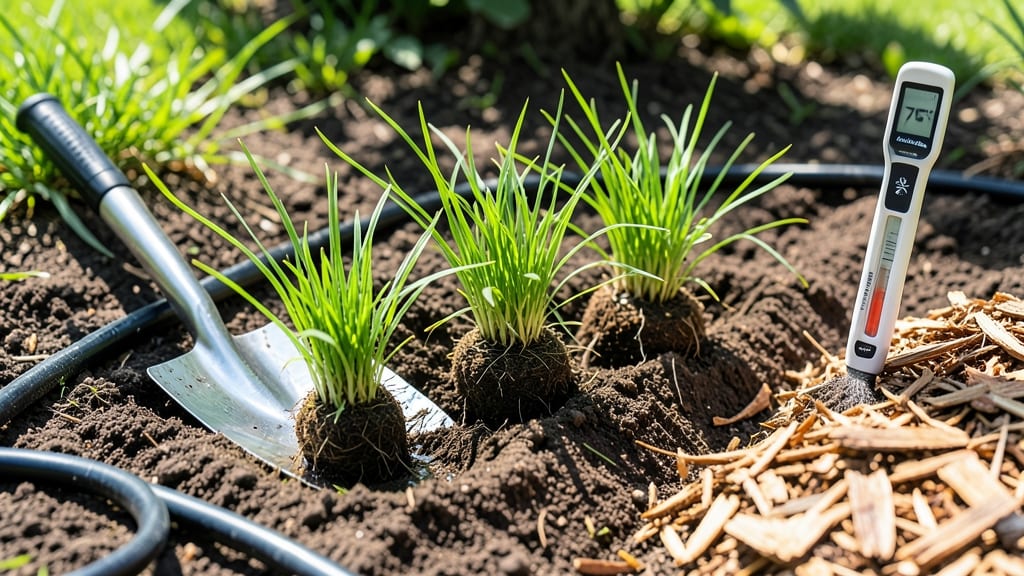
Optimal planting months for Bermuda grass in Oklahoma’s climate zones
If you're dreaming of a lush, drought-resistant Bermuda grass lawn in Oklahoma, timing your planting is everything. The state’s USDA zones 6b-8a create unique microclimates, but the ideal window remains consistent: April–May or August–September.
These months align with soil temperatures above 70°F (21°C), which Bermuda grass craves for strong root establishment.
Northern Oklahoma—think Oklahoma City and beyond—has slightly cooler springs, so aim for late April to early May. Southern regions like Tulsa or the Oklahoma City metro can start as early as mid-March if soil warms quickly. Always check soil temperature with a thermometer before planting—it’s your best guide.
Here’s why these windows work: Bermuda grass is a warm-season grass, meaning it thrives in heat but struggles when temperatures drop below 60°F (15°C). Planting in late summer (August–September) gives it time to establish roots before winter dormancy, while spring planting avoids summer heat stress.
Bermuda grass won’t germinate below 65°F (18°C), so March planting in northern OK is risky unless you use sod instead of seed. Sod establishes faster and tolerates cooler soils, making it a safer bet for early spring.
Oklahoma’s variable weather patterns add another layer—droughts or sudden storms can derail young grass. That’s why late summer planting is often preferred by local experts: it avoids spring’s unpredictable rains and gives grass a head start before winter.
For sod vs. seed, Oklahoma’s climate favors sod in cooler months. Seed takes 10–14 days to germinate at ideal temperatures but can fail if soils stay below 65°F (18°C) for too long. Sod, however, establishes in 2–4 weeks and handles cooler soils better.
Pro tip: If you’re in western Oklahoma, where droughts are more common, prioritize late summer planting. The grass will establish roots before winter and handle low rainfall better than spring-planted lawns.
Always monitor local weather forecasts—a sudden cold snap in April can stall germination. Cover new seed with lightweight row covers if frost is predicted, but remove them during the day to avoid overheating.
Remember, Bermuda grass is aggressive once established, but it needs the right start. Whether you choose spring or summer planting, focus on soil prep and consistent watering to set your lawn up for success.
How to prepare your Oklahoma lawn for Bermuda grass planting success
Preparing your Oklahoma soil for Bermuda grass is just as critical as timing. Bermuda thrives in well-draining, slightly acidic soil with a pH between 6.0–7.0. Start by testing your soil’s pH using a home test kit or send a sample to your local Oklahoma County Extension Office.
If your soil is too alkaline (common in Oklahoma), amend it with sulfur or peat moss to lower the pH gradually over 2–3 months.
Next, focus on soil aeration. Compacted soil smothers roots, so rent a core aerator in late winter or early spring to create ¼-inch holes every 3–4 inches.
This improves airflow and water absorption—critical for Bermuda’s aggressive root system. If aerating isn’t an option, use a manual garden fork to poke holes manually in small areas.
Weed control is another non-negotiable step. Bermuda grass competes poorly with weeds during establishment. Apply a pre-emergent herbicide like pendimethalin 2–4 weeks before planting to block weed seeds.
For existing weeds, spot-treat with glyphosate (like Roundup) at least 2 weeks before planting to avoid residue damage to your new grass.
🌱Pro Tip: If your lawn has clay soil (common in central Oklahoma), mix in 2–3 inches of compost or sand to improve drainage. Bermuda grass hates soggy roots, so amending heavy clay is worth the effort.
Finally, level your lawn to prevent water pooling. Rake out low spots and fill high spots with a topsoil/sand mix. A slight slope (¼ inch per foot) helps water drain away from your home’s foundation.
For large areas, use a laser level to ensure evenness—Bermuda grass grows best on a uniform surface.
Once your soil is prepped, wait 1–2 weeks before planting to let amendments settle. This gives Bermuda grass the ideal foundation to spread quickly and outcompete weeds. Remember, healthy soil = healthy grass, and in Oklahoma’s climate, that means less watering and more resilience once established.
💧Watering Tip: After prep, water lightly daily to keep the top inch of soil moist until planting day. This prevents your soil from drying out during the critical prep phase.