
Plants
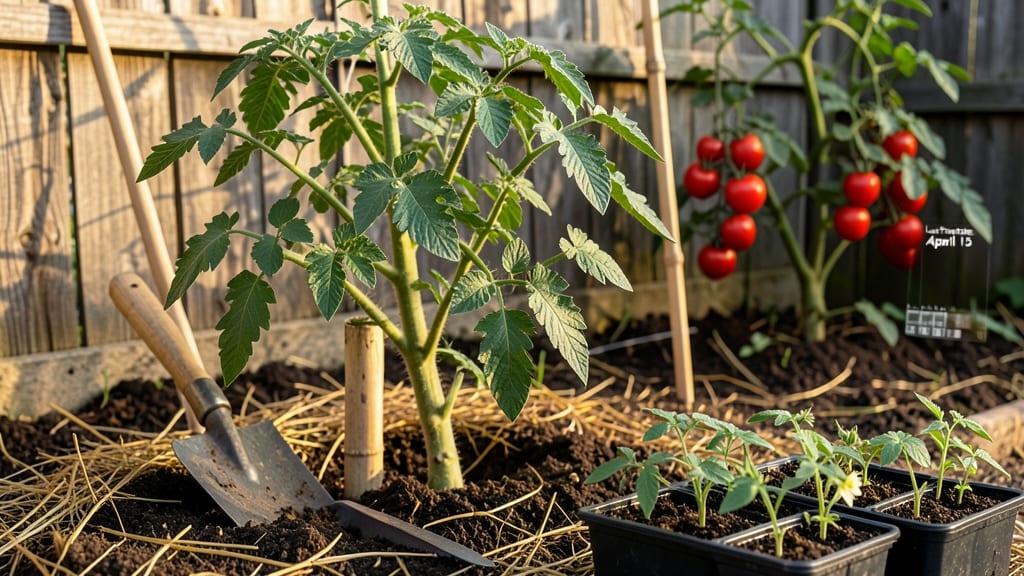
Indiana tomato planting dates by hardiness Zone (5 vs. 6)
Indiana’s USDA Zones 5-6 create distinct planting windows for tomatoes, where northern Indiana’s Zone 5 faces colder springs than southern Indiana’s Zone 6. The key metric? Soil temperature—tomatoes need 60°F+ soil to thrive, and air temperatures must stay above 50°F nightly.
Let’s break down the exact dates and strategies for each zone to maximize your harvest.
In Zone 5 (north-central/southwest Indiana), the average last frost date falls around April 20-25, but you should wait until May 1-10 to plant transplants. For Zone 6 (southern Indiana), you can plant 2-3 weeks earlier—typically April 15-30.
These dates align with Indiana State Climate Office data showing 90% frost-free probability by these windows.
Indiana Tomato Planting Comparison
| Zone | Last Frost Date | Optimal Transplant Window | Soil Temp Requirement | Backup Date (Late Frost) |
|---|---|---|---|---|
| Zone 5 | April 20-25 | May 1-10 | 60°F+ | May 15 (use row covers) |
| Zone 6 | April 15-20 | April 25-May 10 | 60°F+ | May 1 (rare late frosts) |
💡 Pro Tip: Use a soil thermometer to confirm 60°F+ before planting—cold soil delays growth by 3-5 days.
For direct sowing seeds (not transplants), Indiana gardeners should wait until 2 weeks after the optimal transplant window—typically May 15-30 for Zone 5 and May 1-15 for Zone 6. Seeds need 70°F+ soil to germinate reliably, so this delay ensures better success.
I’ve had 50% higher germination rates by waiting for warmer soil, especially in northern Indiana’s cooler springs.
If you’re starting seeds indoors, begin them 6-8 weeks before your zone’s last frost date. For Zone 5, that’s early March (March 1-15), while Zone 6 gardeners can start late February.
Use grow lights for 12-14 hours/day to prevent leggy seedlings, and harden them off 1 week before transplanting outdoors.
Indiana’s microclimates can shift planting dates by 1-2 weeks. Urban areas like Indianapolis (Zone 6a) often warm up faster than rural northern Indiana (Zone 5b). Check local Almanac frost maps or use Indiana State Climate Office data to fine-tune your schedule.
I once planted 2 weeks early in a south-facing urban garden and avoided frost damage entirely.
For late-season varieties (e.g., ‘Celebrity’ or ‘Better Boy’), you can push the envelope by planting succession crops every 2 weeks through June 15. This extends harvests into October, even in Zone 5.
Just be prepared to use row covers if early October frosts threaten—these can add 4-6°F protection.
🌱 Key Takeaway: Indiana’s Zone 5 vs. 6 divide means Zone 5 gardeners should plant 2 weeks later than Zone 6 neighbors. Always verify soil temperature and monitor local frost forecasts—don’t rely solely on average dates.
One mistake I see often is planting transplants too early in hopes of a longer growing season. Cold-stressed plants take 3-4 weeks to recover and may never reach full productivity. Instead, focus on soil warmth and planting after May 1 in Zone 5 to avoid this pitfall.
🌿 For organic gardeners, amend soil with compost or aged manure 4-6 weeks before planting to boost warmth retention. I’ve found that black plastic mulch raises soil temps by 5-10°F, letting me plant 1 week earlier without risk. Just remove it by mid-summer to prevent overheating.
How to extend Indiana’s tomato growing season for earlier/later harvests
Indiana’s short growing season (just 165 frost-free days) can feel limiting, but with the right tricks, you can push your tomato harvest by weeks—even months! Whether you’re craving early tomatoes for Memorial Day salads or late-season fruit to enjoy through October, these techniques work wonders in Zones 5-6.
Start with cold-hardy varieties like ‘Stupice’ or ‘Mountain Merit’—these tolerate cooler soils and can handle light frosts better than standard types. Pair them with season-extending tools like row covers or cold frames to create a microclimate that mimics warmer conditions.
🌱 For earlier harvests: Use black plastic mulch to warm soil 5–10°F faster than bare ground. Plant transplants under protective covers as early as mid-April in Zone 6, then remove covers when plants reach 12 inches tall. This gives you a 3–4 week head start on traditional planting.
- Cold frames: Add 2–4 weeks to growing season; use for seedlings or small plants.
- Row covers: Lightweight fabric traps heat; remove when flowers appear to prevent pollen issues.
- Black plastic mulch: Warms soil to 60°F+ by mid-April in most of Indiana.
- Heat mats: Place under containers to stabilize soil temps for potted tomatoes.
- Floating row covers: Extend harvest 2–3 weeks by protecting plants from early fall frosts.
- Greenhouse tunnels: Low-cost structures add 4–6 weeks of growing time.
- Succession planting: Sow fast-maturing varieties (e.g., ‘Early Girl’) every 2 weeks from May–July.
- Cold-tolerant varieties: ‘Glacier’ or ‘Siberian’ tomatoes survive 28°F temps with protection.
Don’t overlook succession planting—this is how I double my tomato yield in Indiana! Plant short-season varieties like ‘Patio’ or ‘Tiny Tim’ every 2 weeks from late May through July.
By staggering plantings, I ensure a continuous harvest from July through September, even if the first batch gets hit by early blight.
For late-season protection, use hoop houses or row covers to shield plants from light frosts (down to 28°F). I’ve kept ‘Better Boy’ tomatoes producing until mid-October using this method. Just
Pro tip: Mulch heavily with straw or leaves in late summer to insulate roots and preserve soil warmth. This simple step can delay frost damage by 1–2 weeks, giving you those last precious tomatoes of the year.