
Plants
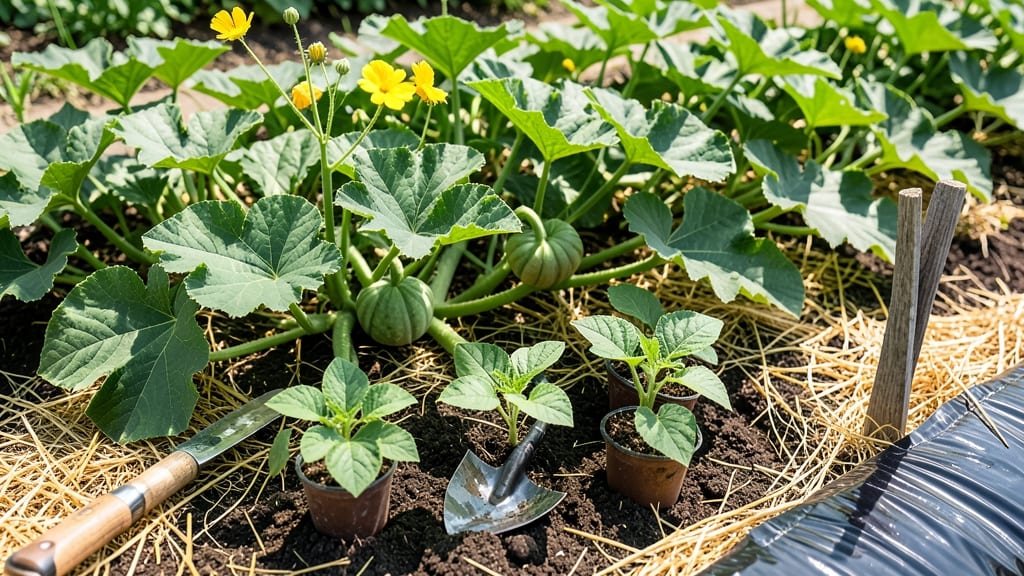
Planting pumpkins in Missouri can mean the difference between a vibrant harvest and a disappointing flop—because timing is everything.
With USDA zones 5b-6b offering a long growing season, you’ve got a great opportunity, but getting those seeds in the ground at the wrong time could leave your 🎃 vines struggling against early frost or late heat.
Most gardeners in Missouri wait until after the last frost—typically mid-to-late May—but there’s more to it than just the calendar. Soil temperature plays a critical role, and skipping this step could delay germination or stunt your plants before they even take off.
I’ll walk you through the exact window you should aim for, plus how to adjust if Mother Nature throws you a curveball.
Whether you’re growing mini pumpkins for pies or giant varieties for fall displays, knowing when to plant ensures your vines have enough time to spread, flower, and mature before winter sets in.
Let’s break down the best strategies so you can maximize your harvest and avoid common mistakes that trip up even experienced gardeners.
Ready to turn your Missouri garden into a pumpkin patch? Grab your gloves—we’re diving into the zone-specific deadlines and pro tips that’ll set you up for success from seed to harvest.
Missouri planting zones and ideal pumpkin planting dates by month
Missouri spans USDA zones 5a-7a, meaning your planting timeline depends heavily on where you live. In northern Missouri (zones 5a-5b), the last frost typically arrives around April 20-30, while southern Missouri (zones 6a-7a) sees frost-free conditions by March 15-25.
Pumpkins thrive in warm soil (70°F+), so wait until soil temperatures reach this threshold—usually late April to early May in most regions.
For direct sowing (planting seeds outdoors), aim for May 1-15 in northern Missouri and April 15-May 1 in southern areas. If you prefer transplanting seedlings, start them indoors 4-6 weeks before your last frost date. Seedlings need hardening off (acclimating to outdoor conditions) for 7-10 days before planting.
Here’s a quick reference for Missouri’s frost-free growing season:
| Zone | Last Frost | Ideal Planting Window | Days to Maturity | Best Varieties |
|---|---|---|---|---|
| 5a-5b (North) | April 20-30 | May 1-15 | 90-110 days | Jack Be Little, Sugar Pie |
| 6a (Central) | April 5-15 | April 15-May 1 | 100-120 days | Howden, Cinderella |
| 7a (South) | March 15-25 | March 30-April 15 | 85-100 days | Big Moon, Small Sugar |
For northern Missouri gardeners, I recommend sticking to shorter-season varieties like ‘Jack Be Little’ (75 days) or ‘Sugar Pie’ (85 days) to ensure harvest before the first frost (October 15).
In southern Missouri, you can afford larger varieties like ‘Howden’ (110 days) or ‘Cinderella’ (100 days), which need more time to mature.
Missouri’s humidity and heat can accelerate pumpkin growth, so monitor your plants closely. If you notice yellowing leaves or stunted vines after planting, it may signal overwatering or poor drainage. Always plant seeds in mounds 4-6 feet apart to improve airflow and reduce disease risk.
Pro tip: Use a soil thermometer to confirm soil temps are 70°F+ before planting. Cold soil delays germination, and pumpkin seeds won’t sprout until conditions are ideal. If your soil is too cool, consider using black plastic mulch to warm it faster.
Missouri’s first frost typically arrives between October 1-15, depending on the year. To maximize your harvest, plant a second crop in early July if you have space. This gives you a second chance at pumpkins before winter sets in.
If you’re in zone 5a (e.g., St. Joseph or Kansas City), aim for early May planting and prioritize fast-maturing varieties. In zone 7a (e.g., Poplar Bluff or Cape Girardeau), you can start as early as late March and enjoy a longer growing season.
Always check your local Missouri Climate Center for year-specific frost dates.
Remember, pumpkins need 85-120 days to mature, so calculate backward from your first frost date. For example, if frost hits October 15, plant by
How to adjust pumpkin planting time for Missouri’s unpredictable weather
Missouri’s weather can be unpredictable, with sudden temperature drops or heatwaves that throw off even the most careful gardener. If you’ve ever watched your pumpkin seedlings wilt overnight or struggled with early frost, you know how quickly things can go wrong.
The key is flexibility—adjusting your planting strategy to match Missouri’s climate quirks ensures your vines thrive.
One of the biggest challenges is late spring frost. Even after the average last frost date (around April 15), cold snaps can linger, especially in northern Missouri. If you plant too early, your tender seedlings can be frost-bitten before they gain strength.
That’s why many gardeners opt for transplanting seedlings instead of direct sowing—it gives you more control over timing.
Here’s a pro tip: Use row covers or frost cloths to protect young plants if you’re planting in early May. These lightweight fabrics trap heat and shield seedlings from sub-freezing temperatures down to 25°F. Just
If you’re in southern Missouri (zones 6b-7a), you might have a longer frost-free season, but don’t get overconfident. Even there, heatwaves followed by sudden cold snaps can stress pumpkin vines. To extend your growing season, consider using a cold frame or greenhouse for early starts.
These structures buy you 2-4 extra weeks of growing time, which can mean the difference between a bountiful harvest and a disappointing yield.
Another strategy is to transplant seedlings instead of direct sowing. Start seeds indoors 2-3 weeks before your last frost date (use biodegradable pots to avoid root disturbance). Once soil temperatures reach 60°F and all frost risk has passed, harden off seedlings and transplant them into mounds of soil.
This method lets you time your planting more precisely and gives seedlings a head start against late frosts.
Finally, keep an eye on the weather forecast and adjust your watering schedule accordingly. Pumpkins need consistent moisture, but overwatering before a cold snap can lead to root rot. If a hard freeze is predicted, reduce watering and protect plants with mulch or straw to insulate roots.
With these adjustments, you’ll maximize your chances of a successful pumpkin harvest, no matter what Missouri’s weather throws at you. 🌱🌡️