
Plants
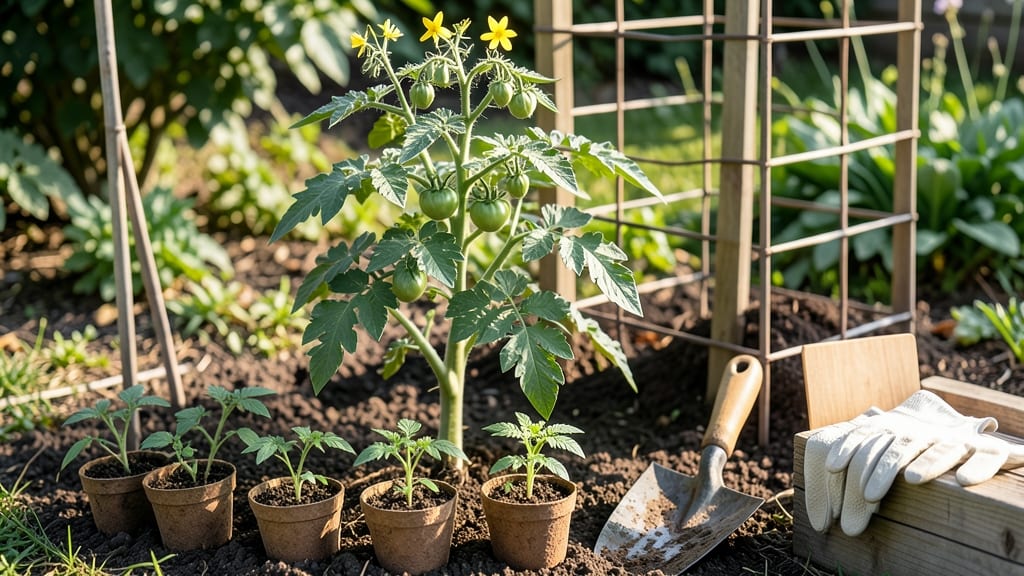
Timing when do you plant tomatoes in South Carolina isn’t just about following a calendar—it’s about dodging frost, heat waves, and soil that’s still too cold to cooperate. One wrong move, and your 🍅 plants could wilt before they even take root, leaving you with empty vines by summer.
Whether you’re in the Upstate’s cooler Zone 8a or Charleston’s balmier Zone 7b, the rules change fast, and local frost data from Clemson Extension proves it.
Most gardeners in South Carolina swear by the mid-April to early June window for spring planting, but here’s the catch: your soil needs to hit 60°F before you even think about sticking those seedlings in the ground.
Too early, and you’re playing Russian roulette with fungal diseases like early blight. Too late, and you miss the sweet spot for a harvest before the summer heat turns your tomatoes into sunscald victims.
But what if you’re dreaming of a fall harvest? The secret lies in late July to early August starts—just in time to beat the first frost (usually creeping in by late October).
With the right heat-tolerant varieties and a few smart tricks—like row covers or cold frames—you can stretch your season longer than you ever thought possible. Let’s break down the exact dates, soil hacks, and variety picks that’ll have your tomatoes thriving when others are giving up.
Skip the guesswork and learn how to sync your planting with South Carolina’s quirks—because in this state, timing isn’t just important; it’s everything. Whether you’re a first-timer or a veteran gardener, these zone-specific deadlines will save you from the heartbreak of a frost-killed crop. Ready to dig in?
South Carolina tomato planting calendar: exact dates by Zone and frost risk
South Carolina’s USDA Zones 7b-8a create a unique challenge for tomato growers—late frosts in March and humid summers demand precision timing. Plant too early, and frost will kill your seedlings.
Wait too long, and you’ll miss the 60-70 day growing window before fall rains arrive. The key? Align your planting with soil temperatures and historical frost data from Clemson University.
For Zone 7b (coastal areas like Charleston and Columbia), the average last frost date falls between March 15–April 1. This means your ideal transplant window opens on April 15, giving your plants 6-8 weeks of warm weather before summer’s peak.
In Zone 8a (Upstate regions like Greenville), you can push things earlier—March 20–April 30—thanks to milder winters.
🌱 Did You Know? South Carolina’s coastal microclimates (like Hilton Head) can experience frost 2 weeks later than inland areas. Always check your local Almanac’s frost predictions or use a soil thermometer to confirm readiness.
Choosing the right tomato varieties is just as critical as timing. Heatmaster and Solar Fire thrive in Zone 7b’s 90°F+ summers, while Mountain Merit (a Zone 8a favorite) resists cracking in humid conditions.
Pro tip: Avoid cherry tomatoes like ‘Sweet 100’ in late plantings—they struggle to ripen before fall rains.
For container gardening in SC, start seeds 4-6 weeks before your zone’s transplant window. Use 5-gallon pots with well-draining mix and place them in south-facing spots where temps stay above 60°F. Containers warm up faster than soil, giving you a 2-week head start on in-ground planting.
🌡️ Critical Tip: Always check soil temperature with a thermometer—60°F is the minimum for consistent germination. In Zone 7b, wait until mid-April to avoid soil-borne diseases like damping-off, which thrives in cool, wet conditions.
Don’t forget about fall planting! In Zone 8a, you can squeeze in a second harvest by transplanting July 15–August 1. Use cold-hardy varieties like ‘Stupice’ and protect with row covers to extend the season until first frost (mid-November).
🌿 Regional Adjustments: If you’re in Piedmont SC, aim for April 1–May 1 transplants. Coastal gardeners should wait until April 15 to avoid salt spray damage from ocean winds.
How to extend your South Carolina tomato season: cold frames, row covers, and succession planting
South Carolina’s long growing season gives you two chances for tomatoes—but with the right techniques, you can stretch those harvests even further. Whether you’re chasing an early spring harvest or fall tomatoes before frost, these strategies will keep your plants productive for months.
For gardeners in Zone 7b-8a, the key is working with—not against—SC’s unpredictable weather. Humid summers and sudden cold snaps can derail your plans, but tools like row covers and cold frames act as insurance for your tomato plants.
Here’s how to maximize your tomato season with minimal extra effort:
March Planting with Row Covers
Transplant heat-tolerant varieties (e.g., 'Heatmaster') 4–6 weeks before your last frost. Use black plastic mulch to warm soil and floating row covers to protect seedlings from 28°F temps. This buys you 3–4 weeks of growth before removing covers in early April.
Succession Planting for Summer Harvests
Plant a second batch of fast-maturing varieties (e.g., 'Early Girl') 2–3 weeks after your first transplanting window. This ensures continuous fruit production from June through August, even if your first plants succumb to summer heat or disease.
Fall Extenders for Late Tomatoes
Start seeds indoors in late July or August for September transplants. Choose cold-hardy varieties like 'Stupice' and protect with row covers until the first frost (typically late October). With this method, I’ve harvested tomatoes well into November!
Don’t overlook DIY cold frames for overwintering seedlings. A simple wooden box with clear plastic or glass can keep soil temps 10–15°F warmer than ambient air, extending your growing season into December for varieties like 'Siberian' or 'Cherokee Purple'.
Pro tip: Pair these techniques with drip irrigation to maintain consistent moisture—SC’s summer droughts can stress plants even when protected. A well-watered tomato plant under row covers will outperform a neglected one in full sun.
With these extensions, you’re not just planting once or twice a year—you’re creating a year-round tomato harvest tailored to South Carolina’s climate. 🌱