
Plants
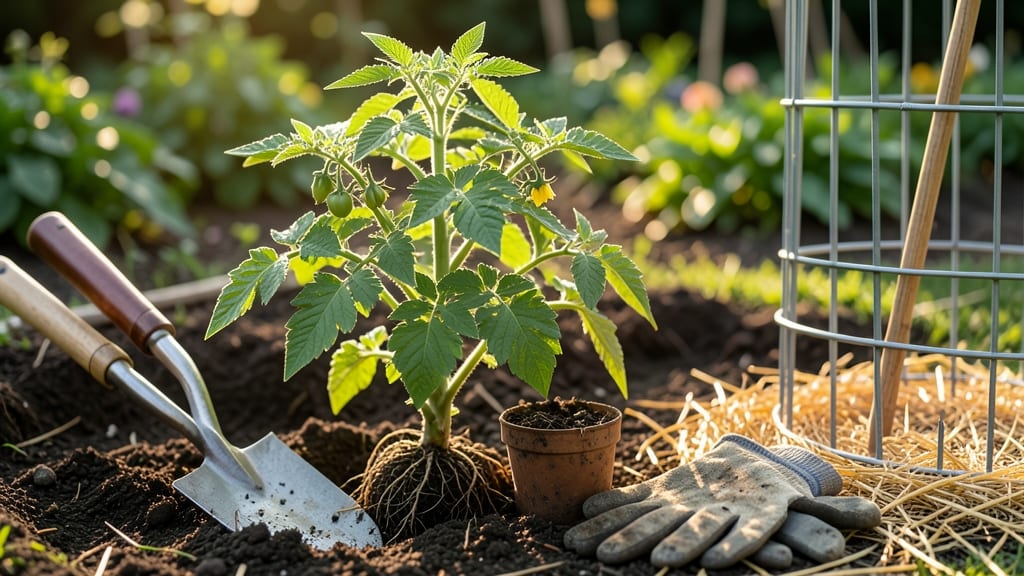
Timing your fall tomatoes in Houston could mean the difference between a bountiful harvest and a sad, wilted plant—especially when those late-season storms roll in.
Houston’s 9a climate gives you a narrow window to plant 🍅 varieties that thrive before winter chills arrive, but get it wrong, and you’ll be racing against frost instead of savoring sun-ripened slices.
Most gardeners assume August is the only month to plant, but the real magic happens in late August through early September—when soil stays warm enough to root transplants but temperatures start cooling just enough to slow down the plant’s stress.
This sweet spot is your ticket to tomatoes that ripen before Houston’s first frost sneaks in around mid-December.
Here’s the kicker: even within Houston, your microclimate matters. Coastal areas near Galveston stay milder longer, while inland spots like Katy can drop faster.
I’ll break down the exact weeks to plant based on where you live, plus the top varieties that handle Houston’s heat and humidity like champs—so you’re not left scrambling for ripe fruit when the cold front hits.
Ready to grow tomatoes that actually last? Let’s dive into the perfect planting schedule, soil prep hacks, and care tips to turn your backyard into a fall harvest goldmine—no guesswork required.
Houston’s fall tomato planting windows by microclimate Zone
Houston’s unique microclimates mean your tomato planting window can vary by neighborhood—whether you’re near the Gulf Coast, in an urban heat island, or in the inland areas.
The key is timing transplants for soil temperatures above 60°F and avoiding late-season frost risks after December 15. Here’s your zone-specific schedule for fall tomatoes in Houston.
For coastal Houston (e.g., Galveston, Clear Lake), the longest growing season lets you plant earlier—starting mid-August for transplants or late July for seeds.
Inland areas (e.g., Katy, Conroe) should wait until early September to avoid heat stress on young plants. Urban heat islands (downtown, Midtown) can push planting to late August due to lingering warmth.
🌱 Pro Tip: Use a soil thermometer to confirm temps are consistently above 60°F before planting. Cold soil slows root growth and invites damping-off disease in seedlings.
| Microclimate Zone | Ideal Transplant Window | Seed Start Indoors | Last Possible Transplant | Key Consideration |
|---|---|---|---|---|
| Coastal (Galveston, Clear Lake) | Mid-August – Early September | Late July – Early August | September 20 | Longer frost-free season; monitor humidity for fungal diseases. |
| Urban Heat Islands (Downtown, Midtown) | Late August – Early September | Early August – Mid-August | September 15 | Soil stays warm longer; prioritize shade cloth for seedlings. |
| Inland (Katy, Conroe, The Woodlands) | Early – Mid-September | Mid-August – Early September | October 1 | Cooler nights; use row covers to extend season. |
If you’re starting seeds indoors, begin 6–8 weeks before your target transplant date. For coastal Houston, that’s late July; for inland areas, aim for mid-August. Use grow lights to supplement Houston’s shortening daylight hours in late summer.
🌿 Variety Matters: Heat-tolerant varieties like ‘Celebrity’ or ‘Solar Fire’ thrive in Houston’s fall heat, while early maturing types like ‘Patio’ or ‘Tiny Tim’ work for inland areas with shorter seasons.
For container gardening, adjust your timeline 1–2 weeks earlier—pots heat up faster and dry out quicker. Place containers in south-facing spots and use self-watering systems to maintain moisture during Houston’s humid fall afternoons.
💧 Watering Warning: Overwatering in high humidity leads to blossom-end rot. Water deeply in the morning and mulch with straw or wood chips to retain moisture without suffocating roots.
Track your local frost dates using the National Weather Service Houston or Houston Chronicle’s garden alerts. Even in Zone 9a, unexpected cold snaps can hit in November, so have row covers ready to protect mature plants.
🌡️ Soil Prep
How to adjust planting dates for Houston’s unpredictable weather
Houston’s unpredictable weather can throw off even the best-laid tomato planting plans. One day it’s 90°F and sunny, the next a 50°F cold front rolls in—leaving your seedlings shocked or your mature plants frostbitten.
The key to success? Flexible timing and protective strategies to shield your plants from Houston’s late-season surprises.
Start by monitoring the 10-day forecast before planting. If a heatwave over 95°F is predicted, delay transplants until temps drop below 85°F—young plants can bolt (flower prematurely) in extreme heat. Conversely, if cooler nights arrive early, rush your early September transplants to avoid stunted growth.
🌡️ Soil Warming Hacks: Use black plastic mulch or landscape fabric to raise soil temps by 10–15°F on cooler mornings. For container gardens, wrap pots in bubble wrap or use heat mats to keep roots warm during early fall dips.
⚠️ Houston’s Frost Risk
Even in Zone 9a, November cold snaps can drop temps to 32°F. Protect mature plants with frost cloth or row covers if frost is forecasted. Remove covers by 10 AM to avoid heat stress.
📅 Last-Minute Save: If frost hits, harvest green tomatoes and ripen indoors with a paper bag + banana (ethylene gas speeds ripening).
For extended harvests, use season-extending tools like low tunnels or cold frames. These can add 2–4 weeks to your growing season by trapping heat during the day and insulating at night.
In coastal Houston, where frost is rare, focus on disease prevention—high humidity fuels fungal spores, so space plants 18–24 inches apart for airflow.
🌿 Protective Gear