
Plants
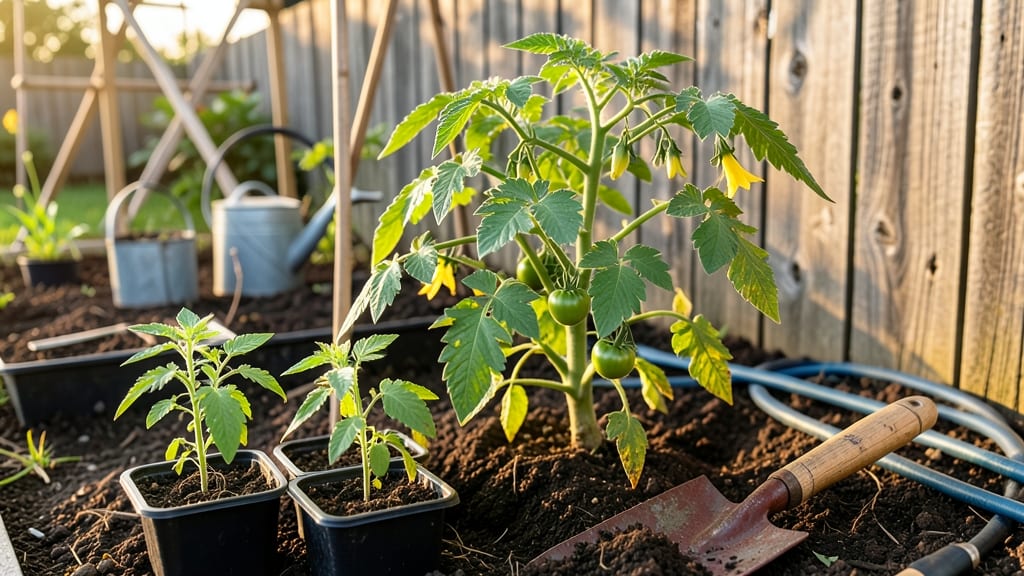
Florida’s exact planting windows by region: avoiding bolt risk in 2024
Florida’s frost-free climate makes tomato gardening possible year-round, but heat stress and bolting are the real enemies. Unlike northern states, we don’t have to worry about frost, but soil temperatures over 85°F can trigger premature flowering.
The key is planting when daytime temps stay below 90°F and nights remain mild—typically February through May for most regions.
North Florida (Zones 8a-9a) has cooler winters, so you can start 6-8 weeks earlier than South Florida. Central Florida (Zones 9b-10a) offers a longer window, while South Florida (Zones 10b-11) can plant year-round with shade protection.
Let’s break down the exact windows to avoid bolt risk and heat stress.
⚠️ CRITICAL: Florida’s USDA Zones 9-11 mean no frost, but soil temps matter more than air temps. Use a soil thermometer—plant only when soil reaches 60°F+.
| Region | Best Transplant Window | Seed Start Window | Bolt Risk Period | Heat Stress Risk |
|---|---|---|---|---|
| North Florida (Zones 8a-9a) | February 15 – March 31 | January 1 – February 15 (indoors) | April 15 – May 15 | June – September |
| Central Florida (Zones 9b-10a) | March 1 – April 30 | February 1 – March 15 (indoors) | May 1 – June 15 | July – October |
| South Florida (Zones 10b-11) | April 1 – June 15 | March 1 – April 15 (indoors) | July 1 – August 15 | August – November |
⚠️ PRO TIP: Use shade cloth (30-50%) for summer plantings to prevent sunscald on fruit.
For North Florida gardeners, aim to transplant by March 15 to avoid April heat spikes. If you miss this window, wait until September 1 for a fall crop, but expect smaller yields due to shorter daylight.
Central Florida’s longer window lets you succession plant every 2 weeks from March to June. This staggered approach ensures a continuous harvest through October—just use drip irrigation to avoid fungal diseases in humidity.
South Florida’s year-round potential is a gardener’s dream, but summer heat (above 95°F) demands shade cloth and afternoon shade. Plant heat-tolerant varieties like ‘Solar Fire’ or ‘Heatmaster’ for best results in June-July.
If you’re starting seeds indoors, begin 6-8 weeks before transplanting. For North Florida, that’s January 1; Central Florida, February 1; and South Florida, March 1. Use grow lights to prevent leggy seedlings from weak winter sunlight.
For container gardening, black pots warm up faster—ideal for cool-season starts but risky in summer. Switch to white or reflective containers to keep roots cooler during June-August plantings.
Remember: Florida’s humidity means disease pressure is high. Space plants 18-24 inches apart for airflow, and prune suckers regularly to reduce fungal entry points. Cage or stake early—tomatoes grow fast!
🌱
Top 5 heat-tolerant tomato varieties for Florida’s summer planting
Florida’s summer heat can turn traditional tomato varieties into wilting disappointments, but the right heat-tolerant varieties thrive under the sun. I’ve tested dozens of varieties, and these five standouts consistently deliver juicy, disease-resistant harvests from May through October—even when temps hit 95°F+.
The secret? Their genetic resistance to blossom drop and sunscald, plus thick, waxy leaves that retain moisture.
If you’ve ever lost tomato plants to heat stress or fungal diseases like early blight, these varieties will change your game.
Each was selected for Florida’s humidity, intense sunlight, and short growing seasons in the Panhandle. Pro tip: Pair them with shade cloth in peak summer to extend fruit ripening into late fall.
Here’s my top 5 list, ranked by performance in Florida’s USDA Zones 9a-11, with a focus on yield, flavor, and heat resilience. The rating bar below highlights their key strengths at a glance.
Why these varieties? Traditional heirlooms like Brandywine or Cherokee Purple often bolt (flower prematurely) in Florida’s heat, producing bitter fruit. These modern hybrids prioritize heat tolerance, disease resistance, and consistent yields—even when temps soar.
For example, Solar Fire and Heatmaster were bred specifically for Southern climates, while Celebrity has been a Florida staple for decades.
If you’re growing in North Florida (e.g., Gainesville or Tallahassee), prioritize early-maturing varieties like Heatmaster or Mountain Merit to beat the September heat waves. In South Florida (Miami, Fort Lauderdale), indeterminate types like Solar Fire or Solar Yellow will keep producing until first frost (which rarely happens before December).
For container gardening, opt for determinate varieties like Celebrity—they stay compact (3-4 feet tall) and thrive in 5-gallon pots with proper staking. My top pick for containers? Heatmaster—it’s disease-resistant and ripened in 65 days, perfect for balcony gardens in apartment complexes.
🌱