
How To
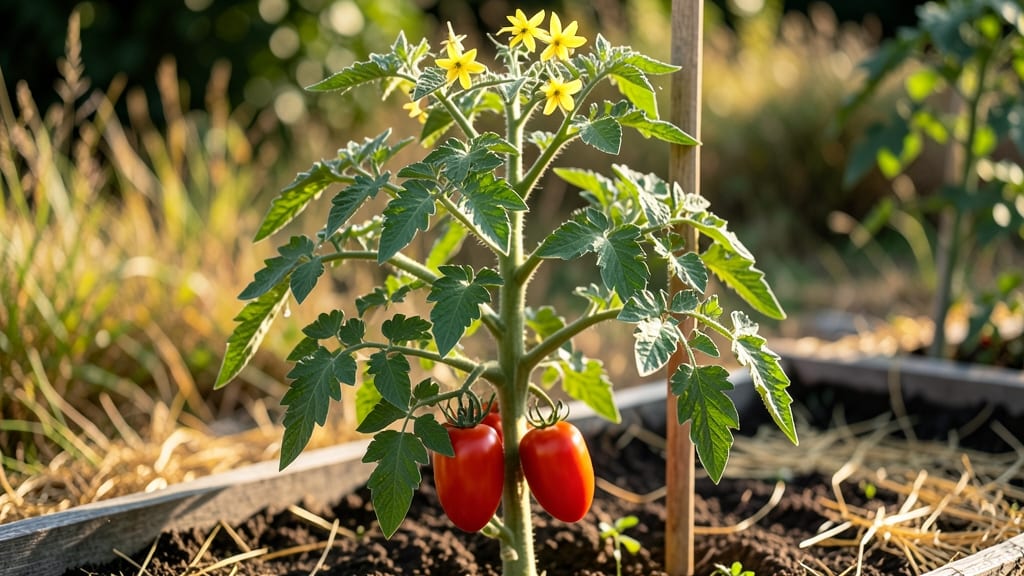
Wondering how tall does a Roma tomato plant grow before it starts dominating your garden? You’re not alone—many gardeners hesitate to plant these flavorful 🍅 varieties because they assume they’ll sprawl uncontrollably.
The good news is that Roma tomatoes come in both compact and towering forms, making them perfect for everything from tiny balconies to spacious backyards.
Whether you’re working with 2-foot dwarf varieties or letting indeterminate types reach 6 feet, understanding their growth habits is the key to maximizing your harvest without losing control.
In this guide, I’ll break down the height ranges you can expect, how to choose the right variety for your space, and simple techniques to keep your plants at your desired height.
No matter how limited your growing area, you’ll learn how to grow Roma tomatoes that fit—without sacrificing flavor or yield.
Ready to turn your garden (or patio) into a productive tomato haven? Let’s get started with the essentials you need to know before planting.

Standard Roma tomato plant height: what to expect and how it compares
When planning your Roma tomato garden, understanding their mature height is crucial for space planning. Most Roma tomato plants reach between 3 to 5 feet tall when grown as indeterminate varieties, while determinate types stay shorter at 2 to 3 feet.
This makes them versatile for both large gardens and container growing.
Indeterminate Roma tomatoes grow continuously throughout the season, producing fruit until frost. Their vines can sprawl 6 feet or more without support, but proper trellising or pruning keeps them manageable.
Determinate varieties, on the other hand, grow to a fixed height and produce fruit in one cluster, making them ideal for small-space gardening.
Compared to other tomato varieties like Beefsteak tomatoes (6-8 feet) or Cherry tomatoes (2-4 feet), Roma tomatoes strike a balance. Their compact stature makes them perfect for urban balconies or patio containers, while still delivering high yields of flavorful fruit.
Here’s how Roma tomato heights compare to other popular varieties:
If you’re growing Roma tomatoes in containers or small gardens, opt for determinate varieties or use cage supports to limit vine spread. For larger spaces, indeterminate types thrive on trellises or stakes, allowing you to maximize vertical growth and yield.
One key factor influencing height is pruning practices. Regularly pinching back suckers (side shoots) encourages stronger main stems and prevents excessive sprawling. Without pruning, indeterminate Roma tomatoes can easily exceed 6 feet, especially in warm climates with long growing seasons.
For first-time gardeners, determinate Roma tomatoes are the easiest choice. They require minimal support and produce a heavy harvest all at once, perfect for canning or sauces. Indeterminate types, while needing more maintenance, offer a longer harvest window and are ideal for fresh eating.
Pro tip: If you’re short on space but want to grow Roma tomatoes, consider vertical gardening. Use tomato cages or stakes to guide vines upward, freeing up ground space for other plants. This method also improves air circulation, reducing the risk of disease.
Remember, the soil quality and sunlight exposure play a huge role in plant height. Roma tomatoes need full sun (6-8 hours daily) and well-draining, nutrient-rich soil to reach their full potential. Amend your soil with compost or organic matter before planting to encourage healthy growth.
Whether you’re a beginner gardener or a seasoned pro, understanding your Roma tomato’s height helps you plan for successful yields without overcrowding. With the right variety and care, you’ll enjoy homegrown Roma tomatoes all season long!
Best compact Roma tomato varieties for small gardens and containers
If you love the rich, meaty flavor of Roma tomatoes but lack space for sprawling vines, don’t worry—there are compact Roma varieties perfect for containers, balconies, and small gardens.
These bush-type Roma tomatoes stay between 2 to 3 feet tall, making them ideal for urban gardeners or those with limited square footage.
Choosing the right variety ensures you get high yields without sacrificing flavor. Many dwarf Roma tomatoes are bred for determinate growth, meaning they produce fruit in one cluster and stop growing once they reach maturity. This makes them predictable and easy to manage, even in 5-gallon containers.
Here are the top compact Roma tomato varieties for small spaces, along with their ideal growing conditions:
For container growing, select a pot that’s at least 5 gallons in size to accommodate roots and provide stability. Ensure the container has drainage holes to prevent waterlogging, which can stunt growth or cause disease.
Use a lightweight potting mix blended with compost to give your Roma tomato the nutrients it needs to thrive.
If you’re growing in ground beds, space your compact Roma tomatoes 18–24 inches apart to allow for airflow and reduce the risk of fungal issues. Pair them with companion plants like basil or marigolds to deter pests and improve overall plant health.
One of my favorite compact varieties is Roma VF, which is not only short but also disease-resistant. This makes it a great choice for beginner gardeners or those in humid climates where fungal diseases like blight can be a problem.
With proper care, you can expect a bountiful harvest of plum-shaped tomatoes perfect for sauces, pastes, or fresh eating.
Remember, even compact Roma tomatoes benefit from support structures. Use small cages or stakes to keep plants upright and make harvesting easier. This also encourages stronger stems and better fruit production.
With the right variety and a little care, you’ll enjoy homegrown Roma tomatoes in even the smallest of spaces!