
Plants
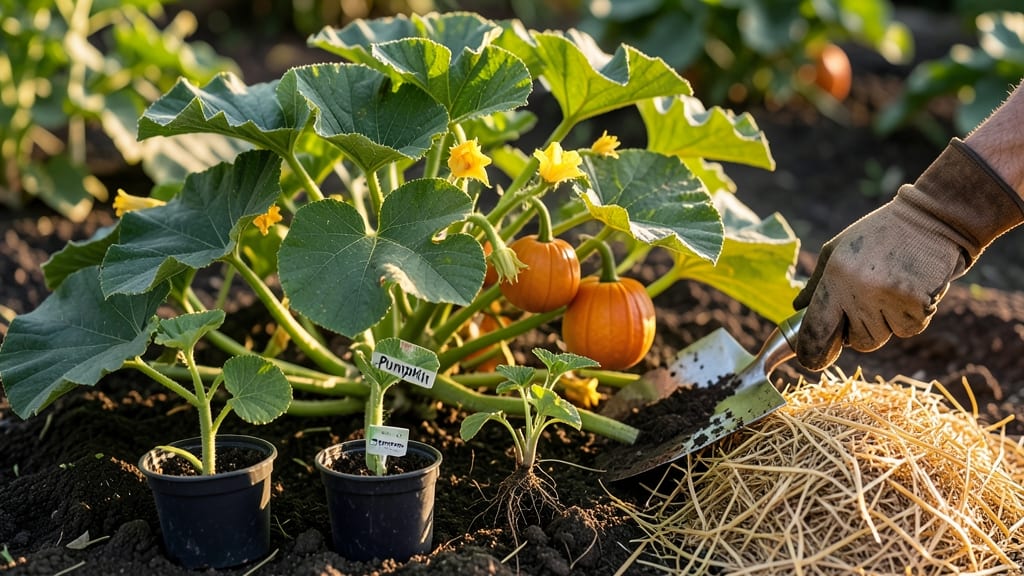
Timing your pumpkin planting in Ohio wrong could mean the difference between a bountiful harvest and a wasted season—especially with USDA Zone 6a's unpredictable frosts.
The key isn't just waiting until spring arrives; it's knowing when your soil warms to the perfect 55-65°F range for germination and avoiding those sneaky late frosts that can wipe out young plants.
Ohio's mid-April to early June window might sound broad, but regional differences matter. Northern Ohio's cooler microclimates demand patience, while southern areas can push planting earlier. I'll break down exactly how to read your soil's temperature cues and adjust for your specific corner of the state—no more guessing games.
You'll also discover why transplanting (not just direct sowing) gives you a head start, and which pumpkin varieties thrive in Ohio's 165-day growing season. Whether you're a first-time gardener or a seasoned pro, these science-backed steps will help you plant with confidence and avoid common pitfalls.
Let's get your pumpkin patch off to the right start—because in Ohio, timing isn't just about the calendar, it's about the thermometer and the sky. Ready to plant like a local?
Ohio’s ideal soil temperature for pumpkin seeds: the science behind timing
Ohio’s spring weather can be a double-edged sword for pumpkin growers. While you might be eager to plant, cold soil will stall germination, leaving your seeds sitting in the dirt for weeks.
The key to success? Planting when your soil reaches the optimal temperature range of 55–65°F. Below that, seeds rot; above that, they sprout too quickly and risk damage from late frosts.
Most Ohio gardeners assume they should plant after the last frost date, but that’s only half the story. The USDA Zone 6a climate means northern Ohio (like Cleveland) has later frost dates than southern Ohio (like Cincinnati).
For example, Cleveland’s average last frost is April 25, while Cincinnati’s is April 5. Without checking soil temperature, you might plant too early in the north or too late in the south.
To avoid this mistake, use a soil thermometer—a $10 tool that gives you precise readings. Stick it 2 inches deep in the soil (where pumpkin seeds will germinate) and check it in the morning.
If it’s below 55°F, wait. If it’s above 65°F, you’re in the clear. Pro tip: Morning readings are most accurate because soil warms up during the day.
Here’s a regional breakdown of when Ohio’s soil typically hits that sweet spot:
- Southern Ohio (Cincinnati, Dayton): Mid-April to early May
- Central Ohio (Columbus, Mansfield): Late April to early May
- Northern Ohio (Cleveland, Toledo): Late May to early June
But these are averages—your microclimate could vary by weeks.
| Factor | Northern Ohio (Cleveland) | Central Ohio (Columbus) | Southern Ohio (Cincinnati) |
|---|---|---|---|
| Last Frost Date | April 25 | April 15 | April 5 |
| Soil Temp Reaches 55°F | Late May | Early May | Mid-April |
| Ideal Planting Window | Late May–Early June | Mid-May–Early June | Early–Mid-May |
| Harvest Window | Late Sept–Early Oct | Mid-Sept–Late Oct | Early Sept–Mid-Oct |
🌱 Note: Use black plastic mulch to warm soil faster in cooler regions.
If you’re still unsure, consider starting seeds indoors 4–6 weeks before your region’s last frost date. Use biodegradable pots to avoid transplant shock, and harden them off for a week before moving outside.
For direct sowing, wait until the soil is consistently 70°F or warmer—this ensures faster germination and stronger seedlings.
One more tip: Warm soil speeds up germination, but it also increases the risk of pumpkin vine borers. If you plant too early in warm soil, your seeds might sprout and then get hit by a late frost.
Balance is key—aim for 55–65°F and monitor your local extended forecast for any late cold snaps.
For extra insurance, use row covers or cold frames to protect young seedlings if frost is forecasted after planting. These tools can buy you an extra 2–3 weeks of growing time, which is crucial for Ohio’s shorter frost-free season (about 165 days in most areas).
Remember, pumpkins need 90–120 days to mature, so don’t wait until June to plant—you’ll miss your harvest window. The earlier you plant (within the soil temp guidelines), the bigger and healthier your pumpkins will be by Halloween or Thanksgiving.
Now that you’ve got the soil temperature science down, let’s talk about the month-by-month planting calendar tailored to Ohio’s regions. This will help you avoid common pitfalls and maximize your pumpkin yield.
Step-by-step pumpkin planting calendar for Ohio: month-by-month breakdown
Ohio’s last frost dates vary by region, so your planting timeline depends on whether you’re in Northern Ohio (like Cleveland) or Southern Ohio (like Cincinnati).
For most areas, aim to plant 4-6 weeks before your average last frost—typically mid-April to early May for direct sowing or early March to late April for indoor starts.
Use this month-by-month guide to align your pumpkin planting with Ohio’s climate. Remember, soil temperature (not air temperature) is the real indicator—wait until it hits 70°F for direct sowing. A soil thermometer ($10 at garden centers) is your best friend here!
🌱 Did You Know? Ohio’s USDA Zone 6a means you’ve got about 165 frost-free days—just enough for pumpkins if you time it right. Here’s how to maximize your growing season:
| Month | Task | Notes |
|---|---|---|
| March | Start seeds indoors (4-6 weeks before last frost) | Use heat mats if soil is <60°F; transplant outdoors after last frost |
| April | Direct-sow seeds after soil reaches 70°F | Northern Ohio: Wait until mid-April; Southern Ohio: Early April |
| May | Thin seedlings to 2-3 ft apart; mulch | Use black plastic mulch to warm soil and suppress weeds |
| June-August | Monitor for pests; fertilize lightly | Watch for squash bugs and cucumber beetles |
| September | Harvest before first frost (Oct 15) | Cure pumpkins in sun for 10 days before storage |
For Northern Ohio (e.g., Cleveland, Toledo), delay planting until mid-May if early springs are chilly. In Southern Ohio (e.g., Cincinnati, Columbus), you can plant as early as late March in microclimates like south-facing slopes. Always check your local Cooperative Extension Service for last-frost updates—they’re your best resource!
Pro tip: Use row covers or cold frames to extend your season by 2-3 weeks if frost threatens. These simple tools can mean the difference between a bountiful harvest and wilted vines. Just remove covers once flowers appear to prevent overheating.
If you’re starting seeds indoors, begin 4-6 weeks before your last frost date. Use biodegradable pots to avoid transplant shock, and harden off seedlings by placing them outside for 2-3 hours daily the week before transplanting. This gradual adjustment helps them adapt to Ohio’s variable spring weather.
🎃 Remember: Pumpkins need 90-120 days to mature, so don’t wait until June to plant—you’ll miss the harvest window! Plan ahead, and you’ll be carving jack-o’-lanterns come October.