
Plants
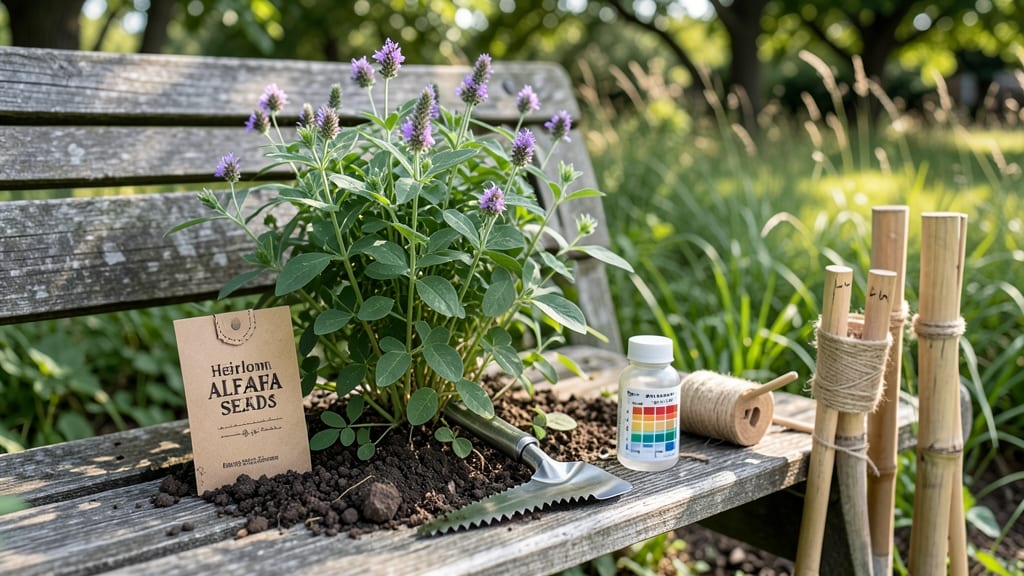
Planting alfalfa in Missouri at the wrong time can mean the difference between a thriving forage crop and a failed stand. With the state's 5b-6b USDA zones and unpredictable spring frosts, timing is everything—especially for a hardy legume like 🌱 alfalfa that demands precise conditions.
Most Missouri growers swear by early spring (March-April) or late summer (August-September) plantings, but elevation and microclimates throw a wrench into those general rules. Whether you're in the humid river valleys or the cooler Ozark highlands, soil temperature and frost dates dictate when to get those seeds in the ground.
Here’s the game-changer: Align your planting with Missouri’s frost-free window while accounting for soil warmth (40-45°F for germination). Skip the guesswork and learn how to adjust for your specific zone—because in Missouri, a single late frost can wipe out weeks of progress.
From soil prep to frost watch tools, I’ll walk you through the exact steps to maximize your alfalfa’s potential, whether you’re growing it for hay, forage, or cover crop. Let’s make sure your next planting season is your best one yet.
Missouri’s frost-free planting windows by elevation zone
Alfalfa thrives in Missouri’s USDA Zones 5b-6b, but the elevation and microclimate shift planting windows dramatically. In the Mississippi River Valley (Zone 6b), you can plant as early as mid-March, while the Ozark highlands (Zone 5b) demand waiting until late April.
These differences mean checking your local last-frost dates is non-negotiable.
For alfalfa seeds to germinate, soil temperatures must reach 40-45°F. A soil thermometer is your best friend here—planting too early in cold soils leads to rotten seeds and poor stands. Missouri’s frost-free window typically spans 165 days, but elevation cuts this by 10-15 days in mountainous regions.
Here’s how to align your planting with Missouri’s 5 key elevation zones:
| Zone | Elevation | Last Frost | Ideal Planting Window | Soil Temp Threshold |
|---|---|---|---|---|
| 6b | River Valleys (300-500 ft) | March 15 | March 20 - April 15 | 40-45°F |
| 6a | Central Plains (500-1,000 ft) | March 25 | April 1 - April 30 | 42-47°F |
| 5b | Ozark Foothills (1,000-2,000 ft) | April 10 | April 15 - May 10 | 45-50°F |
| 5a | High Ozarks (2,000+ ft) | April 20 | May 1 - May 20 | 48-52°F |
| 6b (Late Summer) | All Zones | N/A | August 15 - September 15 | 50-60°F |
Missouri’s late-summer planting window (August-September) is often overlooked but ideal for second-cutting alfalfa. This strategy extends your harvest season and avoids summer drought stress. Just ensure soil temps stay above 50°F—cooler nights in September can still pose risks.
For urban gardeners in St. Louis or Kansas City, aim for early April plantings. These areas benefit from warmer microclimates due to concrete and pavement retaining heat. Conversely, Branson’s highland areas may need to delay until mid-May to avoid late frosts.
Pro tip: Use the University of Missouri Extension’s Frost Calculator to input your exact ZIP code for hyper-localized frost dates. This tool accounts for urban heat islands and topographical shifts that general zone maps miss.
Alfalfa’s root system is sensitive to cold, so avoid planting when nighttime temps dip below 35°F. In Zone 5a, this means waiting until after May 1—even if soil temps seem ideal. Patience here prevents root rot and stunted growth.
If you’re planting in containers or raised beds, heat up the soil faster by using black plastic mulch or row covers. These methods can shave 1-2 weeks off your planting timeline in cooler zones.
Missouri’s drought-prone summers make late-summer plantings risky if rainfall is scarce. Always pair your planting date with a watering plan—alfalfa needs 1 inch of water weekly during establishment.
Remember: Alfalfa is a perennial, so your planting window directly impacts years of future harvests. Get it right the first time, and you’ll enjoy high-protein forage for livestock or soil-enriching cover crops for decades.
How to adjust planting timing for Missouri’s microclimates
Missouri’s microclimates can shift planting windows by weeks, especially when comparing urban St. Louis to the Ozark highlands. Urban areas like Kansas City often see earlier springs due to heat retention, while Branson’s elevation (1,000+ ft) delays frost-free dates by 2–3 weeks.
Adjusting your timing means checking local frost data and using soil thermometers to confirm 40–45°F thresholds for germination.
For river valleys (e.g., St. Louis), aim for mid-March plantings, but protect seedlings with frost cloth if night temps dip below 35°F.
In highland zones (USDA 5a), wait until late April to avoid late frosts that can kill young alfalfa. Soil warming with black plastic mulch can shave off 10–14 days in cooler microclimates, letting you plant earlier without risk.
- 📍 Urban Areas (St. Louis/KC): Plant March 15–April 1; use row covers for frost protection.
- 🏔️ Ozark Highlands (Branson): Delay until April 15–May 1; monitor soil temps closely.
- 🌊 River Valleys (Mississippi/Missouri Rivers): Plant March 1–March 15; watch for flooding risks early spring.
- 🔥 Soil Warming Trick: Use black plastic mulch 2 weeks before planting to raise soil temps by 5–10°F.
- 📱 Tools to Track: NOAA Frost Predictor or Missouri Climate Center alerts for local shifts.
If you’re planting in late summer (August–September), focus on drought-prone areas first. Western Missouri (e.g., Sedalia) may need irrigated seedbeds to establish alfalfa before fall rains taper off.
In eastern Missouri, where humidity lingers, fungal risks rise—so avoid planting after August 20 unless you’re using disease-resistant varieties like ‘Ladak’ or ‘Moapa’.
For container growing (e.g., balconies in St. Louis), start seeds indoors 4–6 weeks before your zone’s last frost date. Use grow lights to simulate 14+ hours of light, then transplant outdoor-hardened seedlings after May 1.
Containers dry out faster, so water daily until roots establish (2–3 weeks).
Pro tip: Test your soil’s moisture before planting—alfalfa hates waterlogged roots. In clay-heavy soils (common in northern Missouri), amend with compost or sand to improve drainage. Southern Missouri’s sandy loams drain too quickly, so add organic matter to retain moisture during summer droughts.
Finally, track your local microclimate for 2–3 years to refine your timing. What worked in 2023’s mild winter may fail in 2024’s late frost. Keep a gardening journal with notes on seedling survival rates and yield per acre—this data will help you perfect your schedule over time. 🌱