
Plants
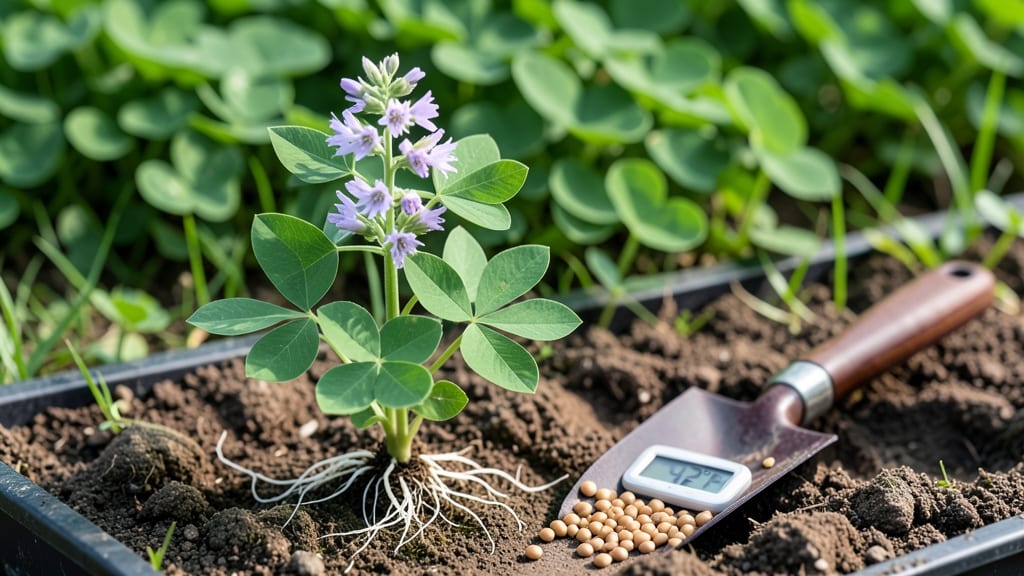
If you're wondering when to plant alfalfa in NC for maximum yields, timing is everything—especially in USDA Zones 7b-8a where frost can turn a great season into a gamble.
The 🌱 thrives when planted in early spring (March-April) or late summer (August-September), but getting it wrong means stunted growth or wasted seed.
North Carolina’s varied climate—from the Piedmont’s mild winters to the Coastal Plain’s longer growing seasons—means your planting window might differ by just a few weeks. Too early, and frost could damage young sprouts; too late, and you’ll miss the sweet spot for robust fall regrowth.
I’ll break down the exact months to plant, soil prep tips, and how to adjust for your region—whether you’re growing alfalfa as forage or a cover crop. Let’s turn your field into a high-yielding powerhouse.
Ready to avoid common mistakes and optimize your harvest? The key starts with the right timing—and I’ve got the data to prove it.
Optimal planting windows for alfalfa in NC (Zone 7b-8a): month-by-month breakdown
Alfalfa thrives in North Carolina’s USDA Zones 7b-8a, but the perfect planting window depends on your region’s last frost date. In the Piedmont, aim for March 15-April 15, while Coastal Plain growers can start slightly earlier (February 28-March 31).
The Mountains have a shorter window (April 1-May 1) due to later frosts.
Fall planting is also viable in Zone 8a, with August 15-September 15 being ideal. This gives seedlings time to establish roots before winter dormancy. Soil temperature must stay above 50°F (10°C) for germination—use a soil thermometer to confirm.
North Carolina’s microclimates create variations: Coastal areas can plant 2-3 weeks earlier than the Piedmont, while Mountain regions must delay until after April 15. Check your local frost maps to refine timing.
🌱 Key planting windows:
- Spring: March 15-April 15 (Piedmont), Feb 28-March 31 (Coastal), April 1-May 1 (Mountains)
- Fall: August 15-September 15 (Zone 8a only)
| Region | Spring Planting Window | Fall Planting Window | Soil Temp Requirement | Frost Risk |
|---|---|---|---|---|
| Coastal Plain | Feb 28 - March 31 | Aug 15 - Sep 1 | 50°F+ (10°C+) | Low |
| Piedmont | March 15 - April 15 | Aug 15 - Sep 15 | 50°F+ (10°C+) | Moderate |
| Mountains | April 1 - May 1 | Not recommended | 55°F+ (13°C+) | High |
For maximum yield, plant alfalfa when daytime temperatures consistently stay above 60°F (15°C). In Zone 7b, this typically aligns with late March-early April, while Zone 8a can start as early as February 28.
Use a planting calendar to track moon phases—root crops like alfalfa benefit from growing moon phases.
If planting in late summer, ensure 6-8 weeks remain before first frost. In Zone 8a, this means August 15-September 15—any later risks insufficient root establishment before winter. Coastal areas have a 2-week advantage over inland regions.
North Carolina’s rainfall patterns also influence timing. Spring planting should occur during dry spells to prevent waterlogged soil, while fall planting benefits from even moisture as temperatures drop. Monitor 7-day forecasts to avoid planting during heavy rain events.
For cover crop purposes, late summer planting (August) allows alfalfa to establish before winter and suppress weeds in spring. However, forage production requires spring planting for first-cut yields by May-June. Choose your goal before selecting timing.
🌿 Pro Tip: Test your soil temperature for 3 consecutive days before planting—it should stay above 50°F (10°C) during the day and 4
Optimal planting windows for alfalfa in NC (Zone 7b-8a): month-by-month breakdown
Alfalfa thrives in North Carolina’s climate, but timing your planting is the secret to maximizing yields. The ideal window for planting alfalfa in USDA Zones 7b-8a spans March-April for spring and August-September for fall.
These periods align with soil temperatures above 50°F (10°C), which is critical for germination and early growth.
Your last frost date varies by region—March 1 in the mountains, March 15 in the Piedmont, and April 1 in the Coastal Plain. Planting too early risks frost damage, while waiting too late can reduce fall regrowth potential.
For forage production, aim for early spring to ensure a full growing season before winter.
| Month | Planting Window | Soil Temp (°F) | Regional Notes |
|---|---|---|---|
| March | Early (after last frost) | 50-60°F | Piedmont/Coastal: Safe; Mountains: Wait until mid-March |
| April | Ideal (peak germination) | 60-70°F | Best for forage; avoid if drought predicted |
| August | Late summer (fall prep) | 65-75°F | Coastal Plain: High success; Mountains: Riskier |
| September | Last chance (established roots) | 60-70°F | Piedmont: Safe; Coastal: Avoid late Sept |
For cover crop use, late summer planting (August-September) helps suppress weeds and improve soil health before winter.
In the Coastal Plain, where winters are milder, you can push planting to early October, but avoid planting after October 15 in the Piedmont or November 1 in the mountains to ensure root establishment.
Soil preparation is non-negotiable: test pH (6.5–7.5), till to 6–8 inches deep, and inoculate seeds with Rhizobium bacteria for nitrogen fixation. Skipping these steps can reduce yields by 30-50%—don’t let that happen to your hard work.
Pro tip: Use a seed drill for precision planting at 1/4-inch depth. Overcrowding leads to weak stems, while shallow planting risks poor germination. Monitor soil moisture—alfalfa hates waterlogged conditions but needs consistent moisture for the first 60 days.
If you’re in Zone 7b, prioritize spring planting to avoid winter kill. In Zone 8a, fall planting can extend your growing season, but stop by September 30 to ensure roots harden before frost. The right timing turns alfalfa from a gamble into a guaranteed high-yield crop.