
Plants
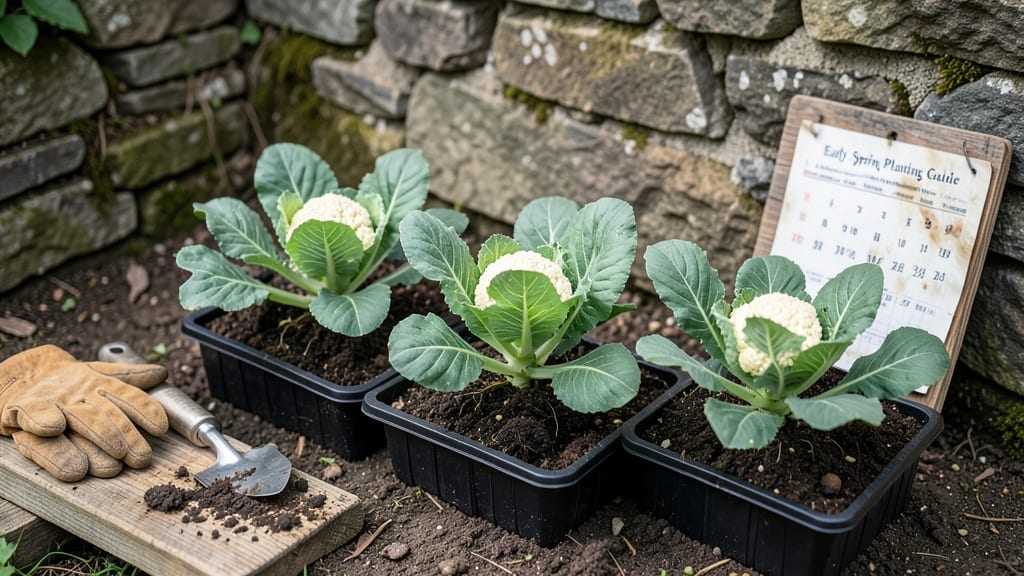
Timing your cauliflower planting in Ohio isn’t just about following a calendar—it’s about outsmarting the state’s unpredictable swings from frost to heat. One wrong move, and you could end up with bolting plants or stunted heads instead of the 🥬 you’re dreaming of.
Here’s the game-changer: Ohio’s USDA Zone 6a climate demands precision, especially when balancing spring’s late frosts with fall’s early chills. Whether you’re growing early-season varieties like ‘Snowball Y Improved’ or heat-tolerant types like ‘Purple of Sicily,’ the right planting window makes all the difference.
In this guide, I’ll break down the exact 4-6 week window before Ohio’s last frost (around April 15) and the fall planting trick that extends your harvest into November. No guesswork—just actionable steps to ensure your cauliflower thrives from seed to table.
Ready to skip the trial-and-error? Let’s dive into the frost-free schedule that’s worked for Ohio gardeners for years—plus how to adjust when Mother Nature throws a curveball.
Ohio’s best cauliflower planting calendar by variety type
Ohio’s USDA zones 5-6 create unique challenges for cauliflower growers, where late spring frosts and summer heat can ruin your crop if you’re not strategic. The key? Planting at the right time for your variety type—whether it’s early-season cold-hardy, mid-season reliable, or late-season heat-tolerant cauliflower.
I’ve broken down the perfect frost-free windows for Ohio’s most successful planting schedules, including transplant timing and harvest estimates.
Cauliflower thrives in cool weather but bolts (goes to seed) in hot temperatures. In Ohio, this means timing your plantings to avoid June’s 80°F+ heat. The solution? Stagger your plantings—spring and fall are your best bets, with specific varieties suited to each season.
For example, 'Snowball Y Improved' (a classic white variety) performs best in spring plantings, while 'Purple of Sicily' handles late-summer heat better than most.
Here’s the golden rule for Ohio: Start seeds 4-6 weeks before your last frost date (typically mid-March to early April for most of the state). If you’re transplanting seedlings, wait until soil temperatures reach 40°F (4°C)—a soil thermometer is your best friend here.
For fall plantings, aim for mid-August to ensure heads mature before first frost in mid-October.
| Variety Type | Planting Window (Ohio) | Transplant Timing | Harvest Window | Key Notes for Ohio |
|---|---|---|---|---|
| Early Season (Cold-Hardy) | March 15 - April 1 | April 15 - May 1 (after last frost) | June 15 - July 15 | Best for northern Ohio; use row covers for extra frost protection. |
| Mid Season (Reliable) | April 1 - April 15 | April 30 - May 10 | July 1 - July 31 | Ideal for central Ohio; avoid June heat by harvesting early. |
| Late Season (Heat-Tolerant) | August 1 - August 15 | August 15 - September 1 | September 15 - October 15 | Perfect for southern Ohio; choose purple or Romanesco varieties. |
For spring plantings, I recommend starting seeds indoors in late February (about 6-8 weeks before transplanting).
Use a grow light if natural light is limited, and harden off seedlings for 7-10 days before moving them outdoors. Direct sowing in Ohio is tricky due to frost risks, but you can try it in early April if your soil is workable and temperatures are stable.
If you’re growing fall cauliflower, focus on heat-tolerant varieties like 'Graffiti' or 'Romanesco'. These hold up better in late-summer heat and still produce heads before frost.
For northern Ohio gardens, extend your growing season with black plastic mulch or low tunnels to keep soil warm and protect young plants.
Pro tip: Soil pH matters! Cauliflower prefers 6.0-7.0 pH. Test your soil in early spring and amend with lime if needed. I’ve found that well-draining, fertile soil with 2-3 inches of compost mixed in gives my cauliflower the best start. Avoid fresh manure—it can cause bolt prematurely.
One common mistake Ohio gardeners make? Planting too late in spring and ending up with bolted heads by July. To avoid this, monitor your local frost dates (check the Old Farmer’s Almanac or your local Cooperative Extension office) and adjust your schedule accordingly.
For example, if your last frost is April 20, transplant by May 1—not June!
Remember, fall plantings are your safety net if spring doesn’t cooperate. By late August, soil temperatures drop slightly, making it ideal for transplanting seedlings.
Just be ready to harvest by mid-October before frost hits. With the right timing, you can enjoy two cauliflower harvests per year in Ohio—spring and fall!
How to adjust planting dates for Ohio’s unpredictable weather
Ohio’s late spring frosts and sudden heat waves can throw off even the most careful gardener’s timing. I’ve learned the hard way that planting cauliflower too early risks frost damage, while waiting too long may mean bolting heads before harvest. The key? Flexibility and preparation.
Start by tracking your local last frost date—Ohio’s average is April 15, but northern zones (like USDA 5) can see frost until May 1.
Use a soil thermometer to confirm temperatures reach 40°F (4°C) before planting. Cold soil slows germination, leaving seedlings vulnerable to rot or pests.
For extra protection, use floating row covers to shield young plants from unexpected frosts. These lightweight fabrics (like Reemay) raise soil temperatures by 5-8°F while allowing sunlight and water through. I’ve had great success with them in Columbus and Cincinnati, where late frosts are common.
Ohio summers can hit 90°F+ by July, causing cauliflower to bolt prematurely. If planting in late spring (May-June), choose heat-tolerant varieties like 'Purple of Sicily' or use shade cloth (30%) during peak afternoon sun.
Plan a backup planting for fall harvests. If your spring crop fails, sow slow-bolt varieties like 'Snowball Y Improved' in early August for a October-November harvest. Use black plastic mulch to warm soil faster and deter weeds—this works especially well in southern Ohio (USDA 7-8).
Monitor 7-day forecasts before transplanting. If a frost warning appears, delay planting by 1-2 weeks or use cold frames for seedlings. In my Cleveland garden, I’ve saved entire batches by moving trays under a hoop house during cold snaps.
Finally, keep a planting journal to track what works in your microclimate. Note when you start seeds indoors, transplant dates, and any weather anomalies. Over 3 years, I’ve adjusted my spring planting from March 20 to April 1—a shift that’s doubled my success rate.