
Companion Plants
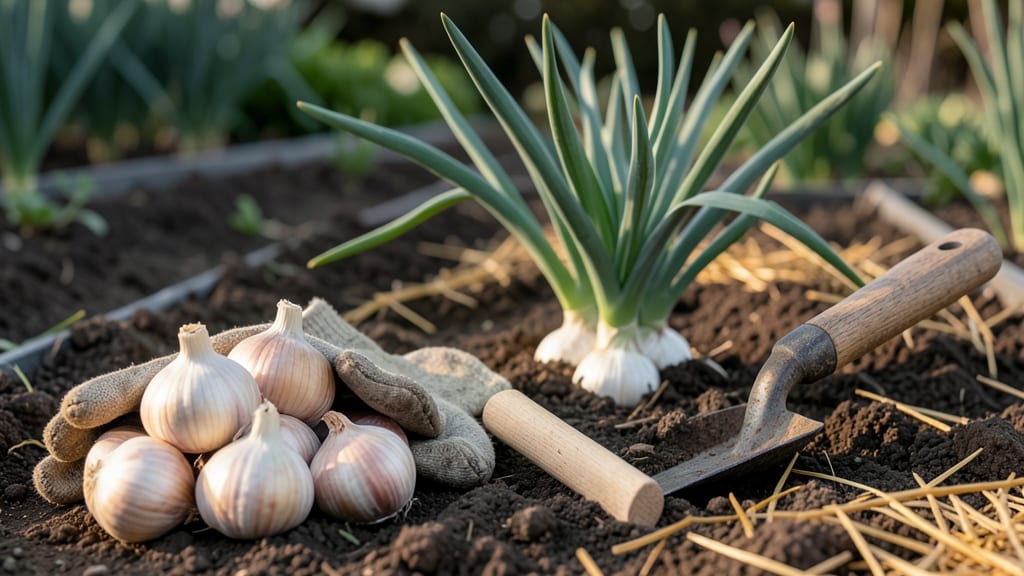
Michigan garlic planting timeline: frost dates & cold-hardy varieties
Garlic thrives in Michigan’s cool fall temperatures, but timing is critical—plant too late, and your crop won’t mature before summer heat. Aim for 4–6 weeks before the ground freezes, typically October through mid-November in USDA zones 4–6. This window ensures cloves establish roots before winter dormancy.
Michigan’s first hard frost usually arrives in mid-October, but southern regions (like Detroit) may have 2–3 extra weeks of planting time. Northern areas (Upper Peninsula) should plant by late September to avoid frost damage. Check your local National Weather Service for precise frost dates.
For best results, choose cold-hardy varieties like Rocambole (softneck) or Artichoke (hardneck)—both tolerate Michigan’s winters better than Silverskin garlic. Hardneck varieties also produce scape shoots, a bonus harvest in early summer.
🌱
| Key Factor | Michigan Specifications | Actionable Tip |
|---|---|---|
| Planting Window | October 1–November 15 | Aim for 6 weeks before frost (e.g., plant by October 20 for Detroit). |
| Soil Temperature | 40–50°F (4–10°C) | Use a soil thermometer—cloves rot if soil is >50°F. |
| Hardiness Zones | USDA 4–6 | Zone 4: Plant by September 30; Zone 6: Extend to November 1. |
| Variety Recommendations | Rocambole, Artichoke, German White | Avoid Silverskin—it’s less cold-tolerant. |
| Frost Protection | 4–6 inches of mulch | Use straw or leaves to insulate cloves. |
If you miss the fall window, spring planting is possible but risky—garlic planted in March–April often bolts early due to Michigan’s hot summers. For spring plantings, use shade cloth to reduce heat stress and harvest 30–40 days earlier than fall-planted garlic.
Pro tip: Break garlic bulbs into individual cloves just before planting. Larger cloves yield bigger bulbs, but avoid the central "king clove"—it rarely produces a harvestable bulb. Save it for next year’s planting stock.
🌿
Michigan’s microclimates matter—southern regions (like Ann Arbor) can plant 2 weeks later than northern areas (e.g., Traverse City). Elevation also plays a role: Up North gardeners should plant 3–4 weeks earlier to account for colder soils. Always adjust your timeline based on your local frost history.
Finally, test your soil before planting—garlic prefers pH 6.0–7.0. Michigan’s clay-heavy soils often need amendments like compost or sand to improve drainage. Poor drainage leads to rotten cloves, even with perfect timing.
✂️
Step-by-step guide: how to plant garlic in Michigan for maximum yield
Michigan’s cold winters are perfect for garlic, but proper planting technique ensures you don’t waste your cloves. Start by selecting large, healthy cloves from last year’s harvest—small or soft ones won’t thrive. Break apart the bulb gently, ensuring each clove retains its papery skin to prevent rot.
Prepare your planting bed by loosening the soil to a depth of 6–8 inches. Garlic hates soggy soil, so amend with compost or aged manure to improve drainage.
If your garden soil is heavy clay, mix in sand or perlite to create a looser texture. Michigan’s USDA zones 4–6 benefit from well-draining soil to prevent winter rot.
| Step | Action | Tip for Michigan |
|---|---|---|
| 1 | Select cloves | Use largest, firm cloves from last year’s harvest. |
| 2 | Soil prep | Amend with compost; avoid waterlogged areas. |
| 3 | Plant depth | Pointy end up, 2 inches deep for hardneck varieties. |
| 4 | Spacing | 6 inches apart in rows 12 inches apart. |
| 5 | Mulch | Apply 4–6 inches of straw or leaves after planting. |
Plant your garlic cloves with the pointy end facing up, about 2 inches deep for hardneck varieties (like Rocambole) and slightly shallower (1.5 inches) for softer-necked types. Space cloves 6 inches apart in rows that are 12 inches apart to allow airflow and prevent disease.
In Michigan’s cool climate, this spacing helps bulbs develop properly without competing for nutrients.
After planting, cover the bed with 4–6 inches of mulch—straw, leaves, or even straw bales—to insulate the soil and protect cloves from freeze-thaw cycles. This mulch layer also suppresses weeds and retains moisture.
In northern Michigan, where winters are harsher, add an extra layer of mulch to prevent heaving (when soil expands and contracts, pushing cloves out of the ground).
Water your garlic deeply but infrequently after planting to encourage root growth. Avoid overwatering, as soggy soil leads to rot and mold. Once the ground freezes, reduce watering entirely—garlic enters dormancy and won’t need moisture until spring.
In southern Michigan, where winters are milder, you might need to water lightly during dry spells, but most of the state’s garlic stays dormant until April.
Come spring, remove the mulch to allow sunlight to warm the soil. Resist the urge to fertilize—garlic doesn’t need extra nutrients until June, when you can apply a light dose of compost or a balanced fertilizer (10-10-10).
By July, your garlic should be ready for harvest, with brown lower leaves and firm bulbs. Cut the stalks but leave the bulbs in the ground for a few days to dry before storing.