
Plants
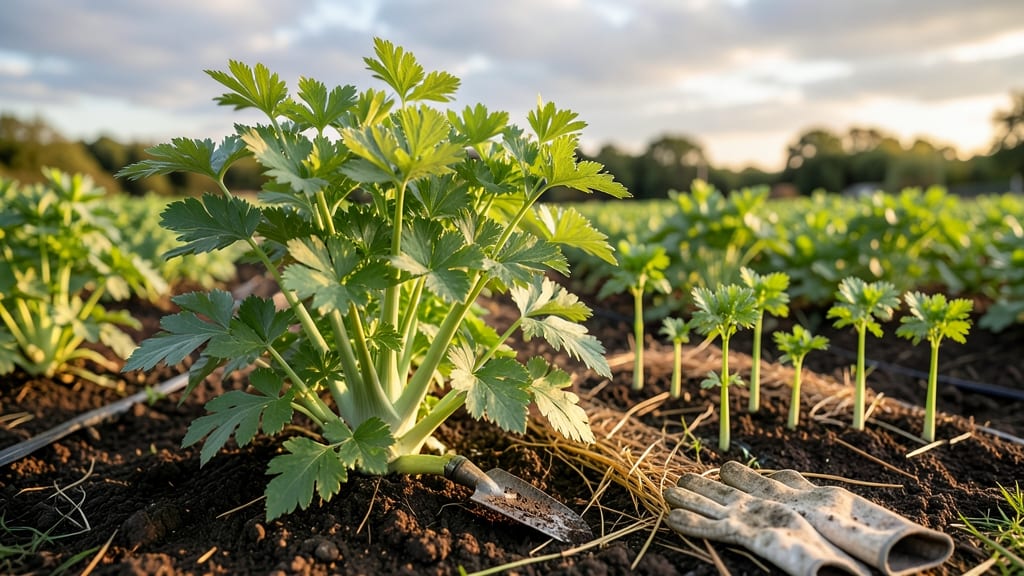
Planting celery in North Carolina at the wrong time can mean wilted leaves and wasted effort—but timing it right gives you crisp, homegrown stalks all season long.
With the state's 7a-8b climate, you’ve got two prime windows: early spring and late summer, each with its own tricks to avoid heat stress or frost damage.
I’ve grown 🥬 celery in NC for years, and the key is knowing when to start seeds indoors (February-March) or transplant seedlings (after your last frost, around mid-March). Miss these dates, and you’ll either face bolting plants in summer heat or stunted growth from cool soil.
Whether you’re a first-time gardener or a seasoned grower, this guide breaks down the exact frost-free window for your zone, plus variety tips to keep your celery thriving. Let’s get your garden set up for success—no more guesswork!
From soil prep to harvest timing, I’ll walk you through every step so you can enjoy fresh celery from late summer through fall. Ready to grow like a pro? Let’s dive in.
NC frost-free dates for celery: when to start seeds indoors vs. transplanting outdoors
North Carolina’s USDA zones 7a–8b create a tricky balance for growing celery. This cool-season crop thrives in 50–70°F soil temperatures, but NC’s hot summers and mild winters demand precise timing.
Plant too early, and frost will kill tender seedlings. Plant too late, and bolting (premature flowering) ruins your harvest. Let’s break down the exact windows for your region.
Most of NC experiences its last spring frost between March 15–April 15, with first fall frosts arriving November 1–15. Your local frost dates depend on elevation and microclimates—mountain areas (Asheville, Boone) freeze earlier than coastal zones (Wilmington, Raleigh).
Always check the USDA Plant Hardiness Zone Map or your local Cooperative Extension Service for precise dates.
For spring plantings, start seeds indoors 8–10 weeks before your last frost date. That means mid-January to early February for most of NC. Transplant seedlings outdoors 2–3 weeks before the last frost, typically late February to early April.
For fall harvests, sow seeds indoors in July and transplant by mid-August to mature before frost.
In Raleigh (Zone 7b), your last frost typically falls around March 20. Aim to start seeds February 1–15 indoors and transplant by March 25.
For Asheville (Zone 7a), frost lingers until April 1, so delay planting until late March. Charlotte (Zone 7b) mirrors Raleigh’s timeline but can handle slightly earlier plantings due to urban heat islands.
If you’re in coastal NC (Wilmington, Zone 8a), your frost-free window extends to March 1–April 10. Start seeds January
Best celery varieties for NC gardens: heat-tolerant and slow-to-bolt options
Choosing the right celery variety for North Carolina’s 7a–8b climate can mean the difference between a thriving harvest and a bitter disappointment.
The wrong choice might bolt too early or wilt under summer heat, so I’ve narrowed it down to the most heat-tolerant and slow-to-bolt varieties that thrive in NC’s unpredictable weather.
For spring planting, I recommend ‘Tall Utah’—a classic variety with bold, crisp stalks and 130–150 days to maturity. It handles NC’s cool spring temperatures well and resists bolting, making it ideal for gardeners in Raleigh and Charlotte.
If you’re in Asheville’s cooler microclimate, opt for ‘Utah Improved’, which matures in 120–140 days and tolerates shorter growing seasons better.
🥬 Celery Variety Comparison
| Variety | Days to Maturity | Heat Tolerance | Bolting Resistance | Best For |
|---|---|---|---|---|
| Tall Utah | 130–150 days | High | Very Resistant | Spring/fall planting |
| Golden Self-Blanching | 100–120 days | Moderate | Resistant | Quick harvests |
| Utah Improved | 120–140 days | Moderate | Resistant | Cooler zones (Asheville) |
If you’re aiming for a second harvest in fall, ‘Golden Self-Blanching’ is my top pick—it matures in just 100–120 days, giving you a head start before cooler temps set in.
Its golden stalks are also less prone to bitterness in NC’s heat, and it’s self-blanching, meaning you won’t have to tie the stalks for that classic pale look.
For seed-starting vs. transplants, the choice depends on your NC zone and timeline. Starting seeds indoors 8–10 weeks before last frost (around February) gives you a stronger, hardier plant, but it requires patience.
If you’re short on time, transplants are a lifesaver—just ensure they’re acclimated for 7–10 days before planting outdoors in April or September.
Pro tip: Mulch heavily with straw or shredded leaves to keep soil temps stable and water deeply in the morning to prevent fungal issues like early blight. With the right variety and timing, you’ll have crisp, homegrown celery straight from your NC garden—no store-bought bitterness in sight!