
Plants
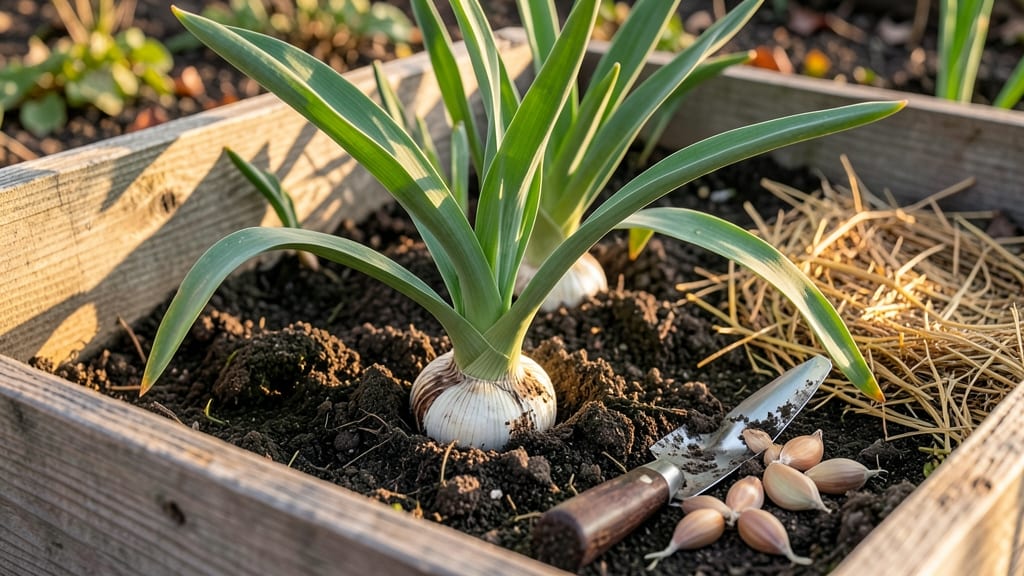
Timing your garlic planting in South Dakota’s cold winters can make or break your harvest—especially when you’re working with hardneck varieties that need just the right chill.
If you’ve ever planted too early and watched your cloves rot or too late and missed the frost window, you know how critical those few weeks really are.
Here’s the secret: the ideal window in USDA Zones 4a-5b is narrow but doable—mid-September to mid-October—when soil temps hover around 40°F and the ground stays workable. This timing lets your 🧄 bulbs establish roots before winter sets in, ensuring they’ll emerge strong next spring.
But what if your fall gets an early frost or unseasonably warm? I’ll show you how to adjust planting dates based on your specific microclimate, whether you’re in the Black Hills or the eastern plains. Plus, we’ll cover the best hardneck varieties for South Dakota’s climate.
Ready to grow bigger, healthier garlic? Let’s dive into the exact steps to time your planting perfectly—and avoid the common mistakes that waste your effort.
South Dakota’s frost-free deadlines for planting hardneck garlic by month
South Dakota’s cold winters and short growing season demand precise timing for hardneck garlic. Planting too early risks rot, while late planting may not provide enough cold stratification for bulb development. The ideal window is mid-September to mid-October, but regional microclimates can shift this by 2-3 weeks.
In USDA Zones 4a-5b, the average first frost arrives in mid-October, leaving just 4-6 weeks for garlic roots to establish before winter. This means you must plant 6 weeks before ground freeze, not air freeze.
Use a soil thermometer to track when temps drop below 40°F—this is your deadline.
For western South Dakota (e.g., Rapid City), where winters are drier, you can push planting to early November. In eastern areas (e.g., Sioux Falls), where soils stay wetter, aim for late September to avoid waterlogged cloves. Adjust for elevation changes: higher elevations (e.g., Black Hills) freeze earlier.
Here’s your month-by-month planting guide for South Dakota’s hardneck varieties, including soil conditions and frost risks:
| Month | Planting Window | Soil Temp | Frost Risk | Notes |
|---|---|---|---|---|
| August | Early (Zone 5b only) | 55-65°F | Low | Risk of bolting if planted too early; reserve for late-maturing varieties. |
| September | Mid-Sept to early Oct | 50-60°F | Moderate | Optimal for most hardnecks; roots establish before frost. |
| October | Mid-Oct to early Nov | 40-50°F | High | Plant 6 weeks before ground freeze; use mulch to insulate. |
| November | Early Nov (Zone 4a only) | 35-45°F | Very High | Only for dwarf varieties or high-elevation areas. |
Use a soil thermometer to confirm readiness—garlic cloves need 40-50°F soil temps to root before winter. In western SD, where soils warm faster, you can plant 2 weeks later than eastern regions.
Always plant individual cloves, not whole bulbs, with the pointy end up and 1-2 inches deep.
Mulch heavily with straw or leaves (4-6 inches) after planting to protect cloves from freeze-thaw cycles. Remove mulch in early spring to prevent rot. In Zone 4a, extend mulch until late April to delay soil warming and reduce bolting risks.
For organic gardeners, amend soil with compost or aged manure in September to improve drainage—waterlogged garlic rots. Test your soil’s pH (6.0-7.0); South Dakota’s alkaline soils often need sulfur to lower pH. Add 1 tbsp of 5-10-10 fertilizer per plant at planting for a slow-release boost.
Monitor moon phases for planting: a waxing moon (growing phase) is ideal for root crops like garlic. Plant on a Monday or Tuesday for best results, as these days align with the moon’s upward energy. Avoid planting during a full moon, which can stress young roots.
If you miss the fall window, you can try spring planting (March-April), but bulbs will be smaller and less flavorful. Spring-planted garlic lacks the cold stratification needed for full development. For reliable harvests, stick to fall planting and adjust for your specific microclimate.
🌱
South Dakota’s frost-free deadlines for planting hardneck garlic by month
South Dakota’s USDA Zones 4a-5b demand precision when planting hardneck garlic. The ideal window is mid-September to mid-October, when soil temperatures drop to 40-50°F—cold enough to prevent rot but warm enough for root growth.
This timing ensures your cloves establish roots before the ground freezes, setting the stage for a robust harvest next summer.
Miss this window, and you risk overwintering failure (planting too early) or bolting risks (planting too late). In South Dakota’s unpredictable climate, even a week’s delay can mean the difference between a thriving crop and wasted effort.
Let’s break down the best months and what to watch for in each.
| Month | Soil Temp (°F) | Planting Window | Notes |
|---|---|---|---|
| August | 55-65°F | Early August (if soil is workable) | Risk of rot; only for early-maturing varieties. |
| September | 45-55°F | Mid-September (ideal) | Best balance of warmth and cooling temps. |
| October | 35-45°F | Mid-October (last chance) | Plant before first hard frost (typically mid-October). |
| November | Below 32°F | Avoid | Ground too cold; cloves won’t root. |
For eastern South Dakota (like Sioux Falls), aim for early to mid-October—the region’s first frost often hits by late October. In the Black Hills, plant by mid-September due to earlier freezes. Use a soil thermometer to confirm temps are below 50°F before planting.
Pro tip: If your fall is unusually warm, delay planting until soil temps naturally drop. Garlic cloves need 4-6 weeks of cold stratification to form bulbs, so don’t rush. Patience here pays off with larger, healthier cloves next summer.
Once planted, mulch heavily (4-6 inches of straw) to insulate cloves through winter. This protects them from freeze-thaw cycles and soil heaving, common issues in South Dakota’s harsh winters. Check mulch levels in late winter to ensure cloves stay covered.
Timing isn’t just about the calendar—it’s about reading your microclimate. Monitor local frost dates, soil temps, and historical patterns to fine-tune your schedule. With the right approach, you’ll harvest plump, flavorful garlic by late June—worth every bit of planning!