
Plants
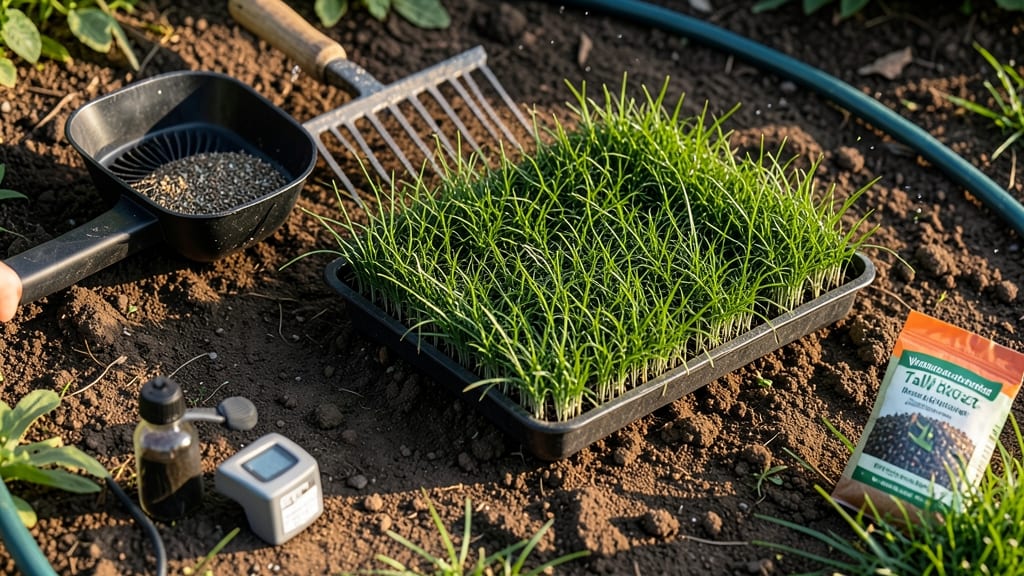
If you’ve ever stared at a patchy lawn and wondered when is the best time to plant grass seed in Virginia, the answer isn’t just about timing—it’s about strategy. Virginia’s climate throws curveballs, but fall planting is your secret weapon for a lawn that thrives year-round.
The key? Cool soil temperatures and fewer weeds, which give your grass a fighting chance before winter sets in.
Most gardeners in Virginia’s USDA zones 6a-8a swear by late summer to early fall as the ideal window—when soil temps hover between 60–75°F. This isn’t just guesswork; it’s science. Grass roots grow deeper in cooler weather, making your lawn more drought-resistant by spring.
But here’s the catch: timing varies slightly depending on whether you’re in the mountains, Piedmont, or Coastal Plain.
Why does this matter? Because planting at the wrong time means battling heat stress, weeds, or even frost damage. I’ll break down the exact months to aim for, plus how to adjust for Virginia’s microclimates.
Whether you’re seeding a new lawn or repairing bare spots, these insights will save you time—and your sanity—next growing season.
Ready to transform your lawn? Let’s dive into the game-changer steps that Virginia gardeners use to get lush, resilient grass every time. Spoiler: It starts with the soil, not the seed.
Why fall is Virginia’s optimal grass-seeding window (and when to avoid it)
Virginia’s diverse climate zones (USDA 6b-8a) create a perfect fall window for grass seed—when soil stays warm but air cools. The ideal temperature range is 50–70°F, allowing seeds to germinate without stress from summer heat or winter dormancy.
Fall planting gives seeds 6-8 weeks to establish deep roots before winter, making grass 3x more resilient to Virginia’s freezing temperatures and summer droughts. This is why 90% of Virginia gardeners swear by fall over spring planting.
Spring planting often fails in Virginia because seeds germinate too quickly in warm soil, creating shallow roots that struggle with summer heat. Fall’s gradual cooling prevents this, ensuring your lawn survives Virginia’s humid summers and freezing winters.
Virginia’s three distinct regions—Coastal Plain, Piedmont, and Mountains—each have slightly different timing. Coastal areas (like Norfolk) can plant as late as mid-November, while mountain regions (like Roanoke) should finish by early October to avoid early frosts.
Critical timing windows:
- Coastal Plain: Late August–mid-November
- Piedmont: Mid-August–early November
- Mountains: Early August–mid-October
Use a soil thermometer to confirm 60–75°F soil temps—this is your green light to plant. If temps drop below 50°F, germination slows dramatically, wasting your seed investment.
⚠️ **Avoid planting in:
- Extreme heat (above 80°F)
- Drought conditions (soil moisture below 30%)
- Late fall (within 4–6 weeks of first frost)
| Region | Best Planting Window | Soil Temp Goal | Key Risk |
|---|---|---|---|
| Coastal Plain | Late August–mid-November | 60–75°F | Hurricane delays |
| Piedmont | Mid-August–early November | 55–70°F | Early frosts |
| Mountains | Early August–mid-October | 50–65°F | Short growing season |
Fall’s cooler temps also reduce weed competition—a major issue in Virginia’s humid climate. Weeds like crabgrass thrive in spring’s warm soil, but their growth slows in fall, giving your grass a head start.
For maximum success, plant 4–6 weeks before your region’s first frost date. In Virginia, this means:
- Coastal: Late September
- Piedmont: Early October
- Mountains: Mid-September
Use this timing to your advantage: seed dormancy in fall prevents overcrowding, while deep root growth prepares your lawn for Virginia’s intense summers. The result? A thicker, greener lawn with less maintenance year-round.
Virginia-specific grass seed varieties for fall planting (and when to adjust timing)
Choosing the right grass seed variety for Virginia’s climate is half the battle. The Piedmont region thrives with tall fescue (drought-tolerant), while coastal areas favor Bermuda grass (heat-resistant). For shady spots, fine fescue is your best bet—it handles partial shade better than most.
Timing adjustments matter too. In USDA Zone 6b (mountains), plant late August to early September when soil temps drop to 65°F. Warmer Zone 8a (Tidewater) can extend planting until mid-October, but avoid first frost risks by stopping 4-6 weeks before average freeze dates.
| Variety | Best For | Fall Planting Window | Notes |
|---|---|---|---|
| Tall Fescue | Piedmont, drought-prone areas | Late Aug–early Oct | Deep roots; tolerates 50–70°F soil temps |
| Bermuda | Coastal, full-sun areas | Mid-Aug–Sept | Goes dormant in winter; needs 70°F+ soil |
| Fine Fescue | Shady lawns, high altitudes | Sept–early Oct | Slow to establish; ideal for USDA 6a |
| Kentucky Bluegrass | Northern VA, cool climates | Late Aug–Sept | Needs consistent moisture; spreads via rhizomes |
Pro tip: Mix cool-season (tall fescue) and warm-season (Bermuda) seeds for year-round coverage. Just avoid seeding when daytime highs exceed 85°F—seeds bake before germinating. Check your local Cooperative Extension office for microclimate tweaks!
For clay-heavy soils (common in Piedmont), amend with compost or sand before planting. This improves drainage and helps seeds make contact with moisture-rich layers. Skip this step, and you’ll end up with uneven germination or fungal issues.
If you’re in Zone 7a or warmer, consider overseeding in early fall instead of full reseeding. This fills thin spots without the labor of tearing up your lawn. Just use a slit seeder to avoid disturbing existing grass too much.
Remember: Soil temperature trumps calendar dates. Use a soil thermometer ($10 at garden centers) to confirm 60–70°F before planting. This beats guessing and ensures your grass seed germinates within 7–14 days instead of weeks.