
Plants
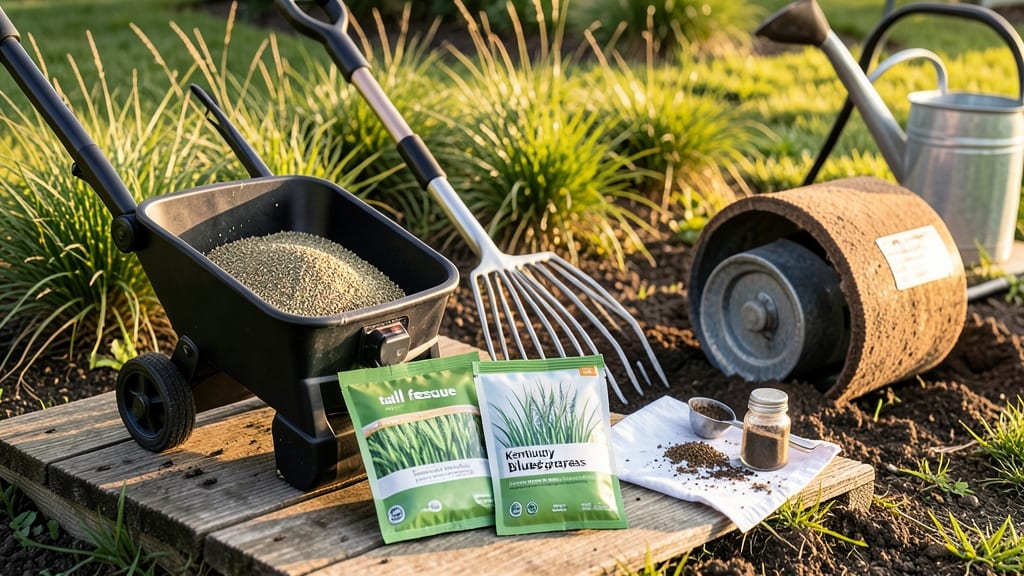
Timing when should you plant grass seed in Missouri can make or break your lawn’s success—get it wrong, and you’ll end up with patchy, weak growth that struggles to thrive.
Missouri’s 5b-6b climate zones create unique challenges, where a single month can mean the difference between lush green coverage and wasted effort.
The best window for planting 🌱 in Missouri is narrow but critical: early spring (March-April) or early fall (September-October). These periods align with soil temperatures perfect for germination, avoiding the heat stress of summer or the frost risks of late planting.
But here’s the catch—your exact timing depends on whether you’re in northern Missouri’s cooler zones or southern areas with milder winters.
Why does this matter? Because grass seed needs consistent moisture and stable temperatures to establish strong roots. Plant too early, and frost can kill new shoots; too late, and summer heat dries out the soil before seeds take hold.
I’ll break down the exact months for your region, soil prep secrets, and how to avoid common mistakes that ruin lawns before they even start.
Ready to transform your yard into a vibrant, resilient lawn? Let’s dive into the optimal planting schedule, seed selection, and care tips tailored just for Missouri’s climate—so you can enjoy that perfect green carpet all season long.
Best months to plant grass seed in Missouri by climate zone
Missouri’s climate varies dramatically from north to south, so planting timing depends heavily on your specific zone.
Northern Missouri (USDA Zones 5b-6a) has shorter growing seasons, while Southern Missouri (Zones 6b-7a) enjoys longer warm periods. Soil temperature is the #1 factor—seeds need consistent warmth (at least 55°F) to germinate properly.
Most Missouri gardeners get it wrong by planting in late summer heat or early spring when soil is too cold. The ideal windows are early fall (September-October) and late spring (April-May), when temperatures are mild and rainfall is reliable. Let’s break it down by zone to avoid costly mistakes.
🌱 Key Insight: Fall planting is often superior because cooler temps reduce weed competition and disease pressure, while spring planting must race against late frosts that can kill young seedlings.
Notice how Northern Missouri has the tightest window due to earlier frosts? If you’re in St. Louis or Kansas City, aim for September 1–15—this gives seeds time to establish before winter.
Meanwhile, Southern Missouri gardeners can stretch planting into late August, but avoid July when temps often exceed 90°F.
🌡️ Pro Tip: Use a soil thermometer ($10 at garden centers) to confirm temps before planting. If soil is below 55°F, wait—cold soil delays germination by weeks.
Microclimates matter too! Urban areas like Columbia or Springfield may experience heat islands that dry out soil faster, while rural farmland often retains moisture longer. Adjust your watering schedule accordingly—urban lawns need daily checks in summer, while rural areas might only need every 3–4 days.
One critical mistake Missouri gardeners make? Planting Kentucky Bluegrass in fall without verifying frost dates. This cool-season grass can’t handle freezing soil, so if you plant after October 15, seedlings may rot in the ground before winter sets in.
For best results, align your planting with local extension service recommendations. Check the Missouri Botanical Garden’s frost calendar or call your county extension office for hyper-local advice. Their data often predicts frost dates 1–2 weeks earlier than national averages.
Finally, seed selection ties into timing. Tall Fescue (drought-tolerant) thrives in fall planting, while Kentucky Bluegrass needs spring to outcompete weeds. We’ll dive deeper into variety choices in the next section—but for now, mark your calendar for September 1 if you’re aiming for fall!
Best months to plant grass seed in Missouri by climate zone
Missouri’s climate varies dramatically from north to south, so planting times depend heavily on your USDA zone. Northern Missouri (Zone 5b) has cooler springs and earlier frosts, while Southern Missouri (Zone 6b) enjoys longer growing seasons.
For best results, aim for soil temperatures between 55°F and 75°F—this ensures strong root growth before extreme heat or cold sets in.
Most Missouri gardeners succeed with early fall planting (September-October), as cooler air reduces weed competition and drought stress. Spring planting (March-April) works too, but you’ll need to watch for late frosts.
Southern Missouri can even extend planting into late October, while northern areas should finish by mid-September to avoid winter stress.
| Climate Zone | Optimal Planting Window | Soil Temperature Requirement | Key Microclimate Factors | Common Mistakes to Avoid |
|---|---|---|---|---|
| Northern Missouri (Zone 5b) | Late August–September | 55°F–65°F | Urban heat islands, clay soils, shorter frost-free season | Planting too late (after September 20), skipping soil prep |
| Central Missouri (Zone 6a) | September–October | 60°F–70°F | Moderate rainfall, loamy soils, variable urban/rural temps | Overwatering in summer, ignoring weed control before planting |
| Southern Missouri (Zone 6b) | September–October (or early November) | 65°F–75°F | Higher humidity, longer growing season, drought-prone areas | Planting too late (after October 15), using wrong grass seed mix |
If you’re in urban areas, pay attention to heat islands—concrete and pavement can raise soil temps by 10°F or more, making late-summer planting riskier. Rural areas with loamy soils drain better, giving you a slightly longer window.
Always check your local Cooperative Extension Service for frost date updates, as Missouri’s climate shifts yearly.
For spring planting, wait until after the average last frost date (April 15) but act quickly—by May 1, summer heat can stress young seedlings.
Northern Missouri gardeners should prioritize cool-season grasses like Kentucky Bluegrass, while Southern Missouri can handle warm-season grasses like Bermuda if planted in late spring.
Missouri’s rainfall patterns also play a role. Northern regions often need supplemental watering in spring, while Southern areas may face drought by late summer. Always test your soil’s moisture retention before planting—amend with compost if needed to prevent erosion and improve seed-to-soil contact.
Remember: Timing isn’t the only factor. Even the best planting window fails without proper soil prep, seed selection, and post-planting care. Next, we’ll cover how to prepare your lawn for success in Missouri’s unpredictable seasons.