
Plants
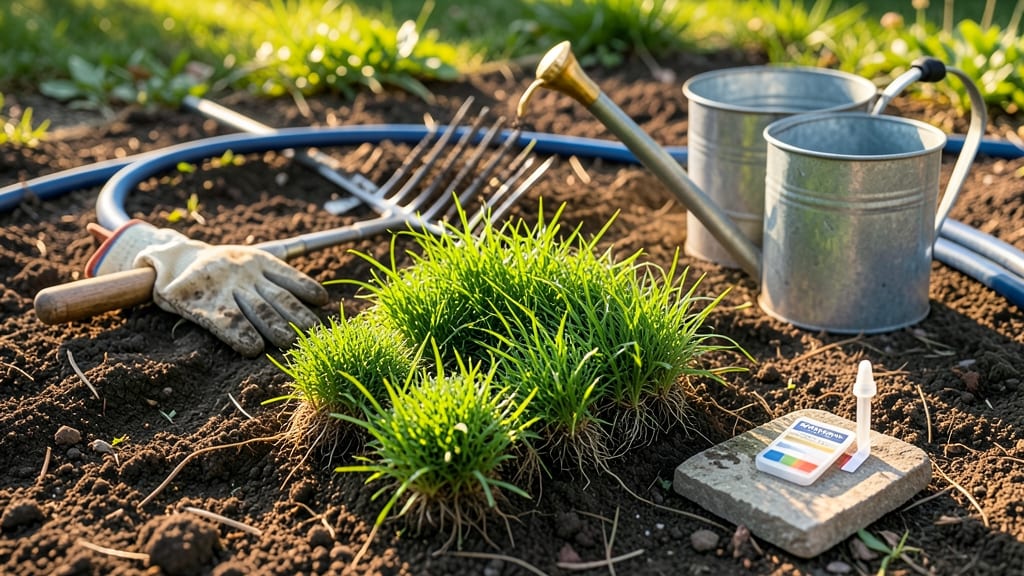
Planting Bermuda grass at the wrong time in San Antonio can turn your lush lawn dreams into a crispy, brown disaster—especially when the 100°F+ heat hits. The key to success? Timing it right when soil warmth aligns with the city’s infamous heat waves, not against them.
San Antonio’s USDA Zone 8b climate means Bermuda grass thrives when planted during two critical windows: late February through early April or late August through early September. These periods give your grass roots a fighting chance to establish before summer’s brutal heat or winter’s chill sets in.
But here’s the catch: even the best timing won’t save you if you skip soil prep. We’ll cover how to check soil temperature, adjust watering schedules, and protect seedlings from sudden heat spikes—so your lawn doesn’t become a science experiment gone wrong.
Ready to transform your yard into a heat-resistant oasis? Let’s dive into the exact steps to plant Bermuda grass the smart way, tailored for San Antonio’s unique challenges.
San Antonio’s Bermuda grass planting timeline: soil temperature & heat wave deadlines
San Antonio’s USDA Zone 8b climate means Bermuda grass thrives when planted during two critical windows—spring and fall—when soil temperatures are ideal. The key is avoiding summer’s brutal heat (often exceeding 100°F), which can fry seedlings before they establish roots.
Let’s break down the exact timing and soil conditions for success.
Your first planting window opens in late April to early May, when soil temperatures consistently stay above 65°F. This gives seedlings 6-8 weeks to root before summer’s peak heat.
The second window is late August to early September, letting grass establish roots before cooler fall temperatures arrive. Planting outside these windows risks heat stress or winter dormancy issues.
Here’s your San Antonio-specific planting timeline with soil temperature thresholds and heat wave risks:
| Timeframe | Soil Temperature | Heat Wave Risk | Best Planting Method | Key Preparation Steps |
|---|---|---|---|---|
| Late April - Early May | 65°F+ | Moderate (avoid June) | Sod or plugs | Test soil pH (6.0-7.0) |
| Late August - Early September | 70°F+ | Low | Seed or plugs | Add compost (2-3 inches) |
| June - July | 90°F+ | Extreme (avoid) | Not recommended | Use shade cloth if planting |
| February - March | 50-60°F | Low | Seed only (slow germination) | Cover with frost blanket |
For spring planting, aim for April 15–May 15 when daytime highs are in the 80s°F but nights stay mild. Use a soil thermometer to confirm warmth—Bermuda grass seeds need 70°F+ soil to germinate. In fall, wait until August 20–September 10 to avoid early September’s sudden heat spikes.
Pro tip: San Antonio’s Bexar County experiences microclimates. If you’re in west-side neighborhoods like Terrell Hills, soil warms 2-3 weeks earlier than east-side areas like Stone Oak. Adjust your planting date accordingly. Always water deeply after planting to encourage root growth in the first 30 days.
Watch for heat wave warnings from the National Weather Service during planting season. If temperatures exceed 95°F for 3+ days after planting, provide temporary shade with 50% shade cloth until seedlings are established. Mulch with straw or wood chips to retain moisture and cool soil.
Remember: Bermuda grass is aggressive and spreads via rhizomes and stolons. Planting at the right time ensures it outcompetes weeds and forms a dense, drought-resistant lawn. Skip the summer window—your grass will thank you with stronger roots and faster recovery from San Antonio’s heat.
For extra protection, consider pre-emergent herbicide in late winter to prevent weeds from competing with new grass. Then, mow high (1.5–2 inches) once established to boost heat tolerance. Your lawn will stay lush and green through even the hottest summers.
San Antonio’s Bermuda grass planting timeline: soil temperature & heat wave deadlines
San Antonio’s summer heat waves (often hitting 100°F+) can fry Bermuda grass seedlings if planted too early, while waiting too long risks weak fall establishment. The ideal planting windows are April–May (spring) or August–September (fall), when soil temperatures hover around 65°F–75°F—perfect for germination without scorching.
Bermuda grass thrives in USDA Zone 8b, but San Antonio’s microclimates (like the Hill Country’s cooler nights vs. downtown’s urban heat islands) demand precision. Soil warmth is your best gauge: Use a soil thermometer to confirm 65°F+ before planting—any cooler, and seeds may rot.
Here’s your critical timeline to avoid heat stress and ensure strong root growth before summer’s peak:
| Timeframe | Soil Temperature | Heat Wave Risk | Best Planting Method | Key Preparation Steps |
|---|---|---|---|---|
| Late March–Early April | 65°F–70°F | Low (occasional 90°F days) | Sod or plugs | Test soil pH (6.0–7.0), amend with compost |
| Mid-April–May | 70°F–75°F | Moderate (heat waves possible) | Seed or sprigs | Mulch with straw, water deeply 2x/week |
| Late August–Early September | 75°F–80°F | High (100°F+ possible) | Sod only (fastest establishment) | Use shade cloth (30%) for first 2 weeks |
| October | Below 65°F | None | Avoid planting | Focus on overseeding or winter prep |
Avoid planting in June–July—San Antonio’s 100°F+ heat waves can kill seedlings in days, even with daily watering. Instead, prioritize soil prep (aeration, compost) in early spring or late summer to give roots a head start.
Pro tip: Monitor the National Weather Service’s San Antonio heat alerts—if a 10-day forecast shows 3+ days over 95°F, delay planting until temps drop. Bermuda grass is tough, but seedlings need time to establish a 3-inch root zone before summer’s intensity.
For fastest results, opt for sod in spring or sprigs in fall—they outpace seeds by 3–4 weeks in root development. Just ensure your lawn gets full sun (6+ hours) and well-draining soil to prevent fungal issues.