
Plants
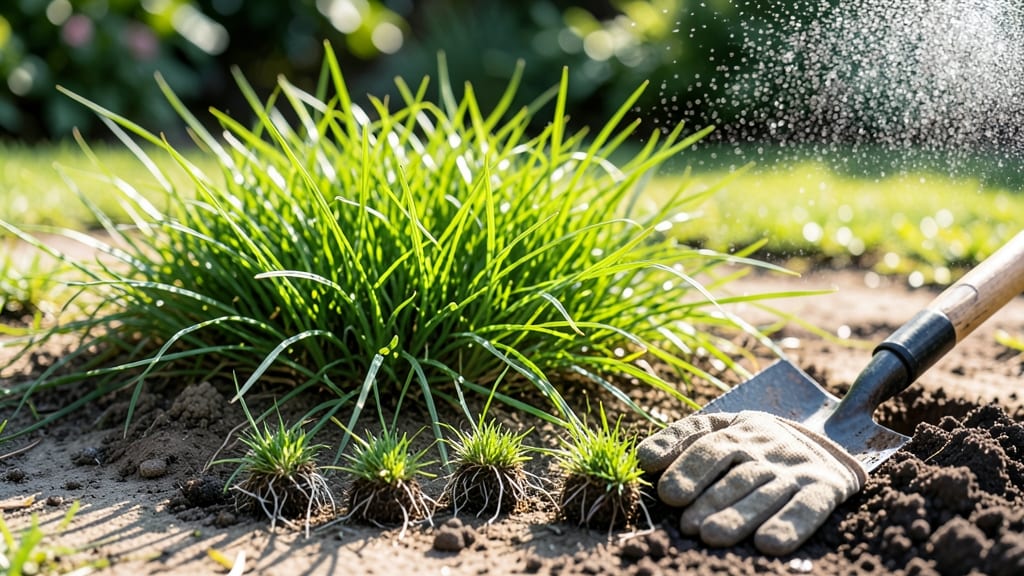
Planting Bermuda grass in Phoenix isn’t just about throwing seed in the dirt—it’s about outsmarting the desert’s brutal heat. The right timing means the difference between a lush, drought-proof lawn and a struggling patch that fades by summer.
Since Phoenix’s soil can hit 90°F+ even in spring, planting too early risks wasted effort, while waiting too long delays your green escape.
For fast establishment, aim for late winter to early spring—when soil temperatures stabilize around 65°F and monsoon rains haven’t yet arrived. This 9b zone schedule avoids the shock of summer’s intensity, giving your 🌱 roots a fighting chance.
Skip the guesswork: We’ll break down the exact window, soil prep tricks, and watering hacks to turn your yard into a heat-beating masterpiece.
Here’s the game-changer: Bermuda grass thrives in Phoenix’s climate because it’s built for it—but only if you play by its rules. No more generic advice like “plant in spring.”
We’re talking Phoenix-specific timing, from aerating before the heat peaks to fertilizing without burning your turf. Ready to ditch the brown patches for good?
Let’s cut to the chase: Your fastest, most resilient lawn starts with the right move at the right time. Whether you’re seeding, sodding, or sprucing up an existing patch, this guide keeps your grass ahead of the game—even when the thermometer isn’t.
Optimal Phoenix planting windows for Bermuda grass: month-by-month heat tolerance guide
Bermuda grass thrives in Phoenix’s heat, but timing your planting is critical to avoid heat stress or wasted effort. The ideal window spans February through April, when soil temperatures are warm enough for germination but air temps haven’t peaked yet.
Planting outside this range risks stunted growth or even death from extreme summer heat.
Phoenix’s USDA Zone 9b climate means no frost worries, but soil temperature is the real gatekeeper. Bermuda grass needs soil at 65°F or warmer to germinate. In Phoenix, this typically happens by late February to early March, making that your sweet spot for success.
Pro Tip: Use a soil thermometer to confirm temps before planting. If your soil is still cool in March, wait until April—better late than sorry with Bermuda grass.
Here’s why spring planting wins: cooler mornings and evenings give young grass time to establish roots before 110°F+ afternoons hit. Summer planting is possible but risky—only attempt it if you’re using shade cloth or irrigation to protect seedlings.
Monsoon season (July–September) is a no-go for planting. The sudden downpours and humidity create perfect conditions for fungal diseases like brown patch, which can wipe out your lawn before it even starts.
For fastest establishment, aim for March planting. By late spring, your grass will be rooted deep and ready to handle Phoenix’s brutal summers. If you miss spring, your second-best option is late summer (August–September), but this requires extra care to protect seedlings.
If you’re sodding Bermuda grass instead of seeding, your window expands slightly. Sod can tolerate warmer soil and establishes faster, so April through May works well—just be prepared for daily watering to keep roots moist during extreme heat.
For overseeding (adding new grass to an existing lawn), late summer (August) is your best bet. The grass will establish before winter and be ready to outcompete weeds in spring.
Remember: Bermuda grass is aggressive and spreads via stolons and rhizomes. Planting at the right time ensures it fills in quickly, crowding out weeds naturally. Skip the summer months, and you’ll spend more time (and money) on repairs than you would with a well-timed spring planting.
Optimal Phoenix planting windows for Bermuda grass: month-by-month heat tolerance guide
Phoenix’s 110°F+ summers demand precise timing for Bermuda grass—plant too early, and you’ll battle weeds; too late, and your lawn wilts under the sun. The ideal window is February through April, when soil temperatures hover between 65°F–75°F, perfect for seed germination and root establishment.
Bermuda grass thrives in USDA Zone 9b, but Phoenix’s microclimates vary—low desert areas like Glendale can plant 2 weeks earlier than higher elevations like Scottsdale. Always check soil temps with a soil thermometer before planting to avoid stress.
⚠️ CRITICAL WARNING: Avoid planting during monsoon season (July–September). Heavy rains can wash away seeds, and humidity spikes promote fungal diseases like brown patch. Even established Bermuda grass struggles in 90%+ humidity without proper airflow.
For fastest establishment, aim for March planting—this gives Bermuda grass 6–8 weeks to root before summer’s peak heat. Use sprinkler systems to maintain 1–1.5 inches of water weekly until roots reach 4–6 inches deep, typically by May.
Pro tip: If you miss the spring window, late August offers a second chance for sod installation, but seeds rarely survive. Always test soil moisture before watering—over-saturation drowns roots in Phoenix’s clay-heavy soils.
Remember: Bermuda grass spreads via stolons and rhizomes, so edge planting in March ensures it fills gaps before summer. Skip fall planting—cool temps stunt growth, leaving your lawn vulnerable to weed invasion.