
Plants
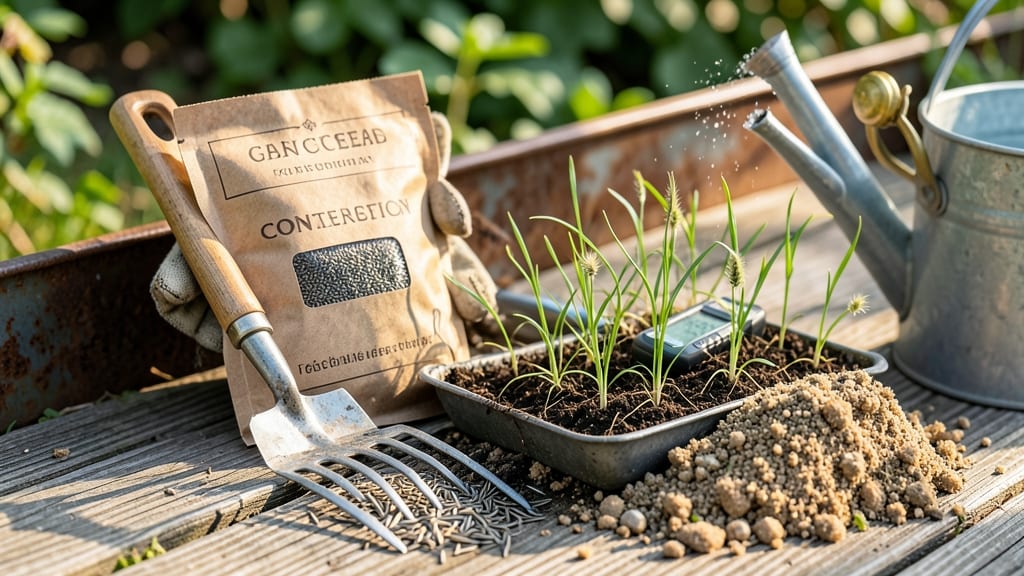
If you're dreaming of a lush, vibrant Connecticut lawn this year, timing your grass seed planting is the game-changer you need. Planting too early or too late can leave you with patchy, weak turf that struggles to take hold—especially in zones 5b-6b, where frost and heat play major roles.
The best time to plant grass seed in Connecticut isn’t just a guess—it’s science. Early September and mid-April are your sweet spots, when soil temps and moisture align perfectly for strong root growth before summer heat or winter frost sets in.
Miss these windows, and you risk wasting seeds or battling weeds.
I’ll break down exactly why these months work, how to prep your soil for success, and what to watch for in Connecticut’s unique climate. Whether you’re seeding a new yard or repairing bare spots, these tips will help you skip the trial-and-error and get results faster.
Ready to transform your lawn? Let’s dive into the ideal planting schedule and pro moves that keep Connecticut’s unpredictable weather from sabotaging your green dream.
Connecticut’s optimal grass seed planting windows: early September & mid-April explained
Planting grass seed in Connecticut isn’t just about tossing seeds and hoping for the best—it’s about timing to avoid extreme heat or early frost. The best windows are early September and mid-April, when soil temps and moisture align perfectly for root establishment.
These periods let your lawn thrive before winter or summer stress sets in.
Connecticut’s USDA zones 5b-6b mean last frost dates around April 15 and first frosts by October 15. Planting 4-6 weeks before or after these dates gives grass 6-8 weeks to grow strong roots before harsh conditions. Miss these windows, and you risk patchy growth or failed germination.
Here’s why early September and mid-April work best for Connecticut lawns:
| Planting Window | Ideal Soil Temp | Why It Works | Connecticut-Specific Tip |
|---|---|---|---|
| Early September (Sept 1-15) | 60-70°F | Cooler temps reduce weed competition and water stress. | Avoid planting after Sept 30—fall frosts can stunt growth. |
| Mid-April (April 15-30) | 50-60°F | Soil warms gradually, encouraging deep root growth before summer. | Wait until soil temps stay above 50°F—use a soil thermometer to check. |
| Avoid: Late May-July | 75°F+ | Seeds dry out or overheat; weeds take over. | If repairing summer damage, use hydromulch to retain moisture. |
For coastal Connecticut (e.g., New Haven, Stamford), plant 1-2 weeks earlier—milder microclimates delay frosts. Inland areas (e.g., Hartford, Litchfield) should stick to the mid-April or early September deadlines to avoid late-spring heat or early fall frosts. Always check your local Cooperative Extension Service for zone-specific updates.
Pro tip: Test soil moisture before planting. Stick your finger 2 inches deep—if it feels dry, water 1 inch the day before seeding. Overwatering can wash seeds away, while underwatering causes crusting that blocks germination. Aim for consistent dampness, not soggy soil.
Choose cool-season grasses like tall fescue or Kentucky bluegrass for Connecticut—they thrive in fall and spring. Warm-season Bermuda grass is rare here but can be planted late May if you’re near the Long Island Sound region. Always match grass type to your yard’s sun exposure and foot traffic.
After planting, lightly rake seeds into soil to ensure seed-to-soil contact, then cover with straw mulch (¼ inch thick) to retain moisture. This step is critical in Connecticut’s variable fall rains or spring winds, which can blow seeds away or cause erosion.
Remember: Patience is key. Germination takes 7-21 days, depending on seed type and weather. Avoid walking on new seed for at least 2 weeks—let those tiny roots establish before disturbing the soil.
With the right timing, you’ll see lush green blades in just 6-8 weeks!
🌱
How to prepare your Connecticut lawn for grass seed success
Preparing your lawn properly before planting grass seed in Connecticut is half the battle for a thick, healthy turf. Connecticut’s USDA zones 5b-6b mean you’ll face variable soil conditions and potential weed competition, so let’s tackle prep like a pro.
Start by testing your soil pH—most grass seeds thrive in a neutral to slightly acidic range (6.0-7.0). If your soil is off, amend it with lime (to raise pH) or sulfur (to lower it) 4-6 weeks before planting.
Next, clear your lawn of existing weeds and debris using a broadleaf herbicide (like 2,4-D) or manual removal. This step is critical because weeds compete with grass seed for nutrients and sunlight. After herbicide treatment, wait 2-3 weeks for the area to dry before planting.
For stubborn weeds, consider a pre-emergent herbicide applied in early spring or fall, but avoid it if you’re planting seed within 3 months.
🌱