
Plants
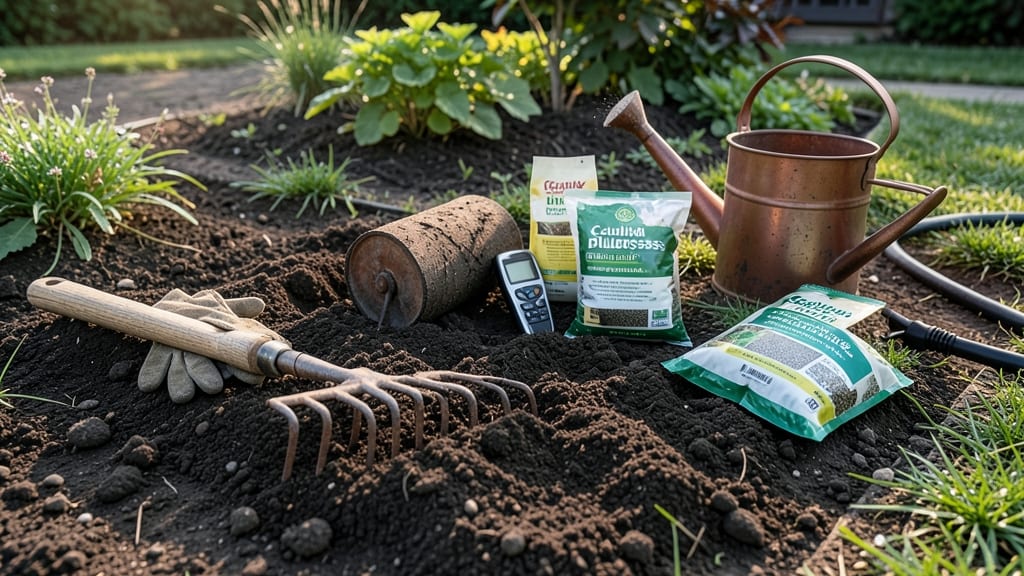
If you're dreaming of a lush, vibrant lawn by next spring, fall is your secret weapon—but planting grass seed 🌱 at the wrong time can leave you with patchy results. The key isn’t just when you plant; it’s understanding how cool-season grass behaves as temperatures drop.
Most gardeners assume "fall" means September through November, but the ideal window varies by region. Plant too early, and frost will stall growth; too late, and roots won’t establish before winter dormancy.
For Zone 6a, the sweet spot is September to early October, giving grass 4-6 weeks to root before the first frost.
Why does timing matter so much? Grass seed needs consistent moisture and soil temps between 60-70°F to germinate properly. Too hot or too cold, and you’re fighting an uphill battle.
I’ll break down the exact dates for your area, soil prep hacks, and how to keep your new lawn thriving through winter.
Skip the guesswork—let’s get your grass off to the best possible start so you’re not left with bare spots when spring rolls around. Ready to transform your yard? Let’s dive in.
Optimal fall planting dates by US climate zone: the 6-8 week rule before frost
Timing your grass seed planting in the fall is all about giving your lawn a 6-8 week head start before the first frost. This window ensures strong root development before winter dormancy kicks in.
For most of the U.S., this means planting between mid-September and early October, but your exact timing depends on your USDA hardiness zone and local frost patterns.
Northern climates (Zones 3-5) typically have earlier frost dates, so aim to plant by late August to mid-September. Southern regions (Zones 7-10) can push planting to October or even early November, as frost arrives later.
Transitional zones (6a-6b) like my Zone 6a garden thrive with September planting for maximum root growth before winter.
To find your perfect planting window, check your average first frost date (use the National Weather Service or Old Farmer’s Almanac) and plant 4-6 weeks before that date. For example, if frost hits November 15th, plant between September 20th and October 20th.
Cool-season grasses like Kentucky Bluegrass and Tall Fescue are the stars of fall planting. They thrive when soil temps hover between 60-70°F, which is perfect for September-October in most regions. Warm-season grasses (like Bermuda) should be planted in late spring or early summer instead.
Pro tip: If your fall is unusually warm or dry, consider delaying planting until October to avoid drought stress or fungal diseases that thrive in hot, humid conditions. Always check a 7-day weather forecast for stable temps before seeding.
For northern gardens, aim to have grass 3-4 inches tall before the first frost—this signals strong root establishment. In southern climates, focus on planting before October 15th to avoid winter dormancy cutting growth short.
Remember: Soil temperature matters more than air temperature. Use a soil thermometer ($10 at garden centers) to confirm your soil is above 50°F before planting. If it’s cooler, wait a week or two for better germination.
Finally, account for rainfall patterns. If your area typically gets dry spells in September, plan to irrigate lightly (about ¼ inch per week) until seeds germinate. In wet climates, avoid planting if heavy rains are forecasted within 48 hours—this can wash seeds away.
By following these zone-specific guidelines, you’ll give your grass seed the perfect fall launchpad for a thicker, greener lawn next spring. 🌱
Soil temperature and moisture secrets: why 60-70°F is the Goldilocks zone for grass seed
Grass seed thrives when soil temperatures hover between 60°F and 70°F—this Goldilocks zone ensures steady germination without stress from heat or cold. In fall, this typically means planting when daytime temps drop below 80°F but stay above 50°F at night.
For most regions, this window opens in late August to early September and closes by mid-October.
To test your soil temperature, use a soil thermometer (insert 2 inches deep) in the early morning.
If readings fall below 55°F, frost is likely within weeks—delay planting until conditions improve. Northern climates may need to wait until September 15, while southern zones can plant as early as August 1.
🌱 Key Takeaway: Ideal Soil Conditions for Grass Seed
| Factor | Target Range | Action Steps |
|---|---|---|
| Soil Temperature | 60-70°F | Use thermometer; plant when temps stabilize |
| Moisture Level | 1 inch/week | Water deeply 2x/day until germination |
| Rainfall Backup | 0.5 inches/week | Supplement with irrigation if <1 inch falls |
⚠️ Pro Tip: Avoid planting if a 3-day frost is forecasted within 2 weeks.
Moisture is just as critical as temperature—grass seed needs consistent dampness to germinate, but waterlogging suffocates roots. Aim for 1 inch of water per week, split into two morning sessions (before 10 AM).
Use a rain gauge to track natural precipitation; supplement with light sprinklers if rainfall drops below 0.5 inches.
Fall’s cooler temps and higher humidity reduce evaporation, making it easier to maintain ideal moisture. However, drought stress can still occur if rains stall.
Monitor your lawn daily: if the top 1 inch of soil feels dry, water immediately. Overwatering is equally harmful—it washes away seed and promotes fungal growth like gray leaf spot.
Watch for early frost warnings in your region, which can halt germination if seed hasn’t sprouted. In USDA Zones 5-7, aim to finish planting by October 15; in Zones 8-10, you have until November 1.
Use a frost date calculator (like the National Weather Service’s) to set your deadline.
For sandy soils, which dry out faster, mulch with straw after planting to retain moisture. In clay soils, aerate 2-3 days before seeding to improve drainage. Both amendments help grass seed establish roots 30% faster in fall conditions.
Remember: Fall’s shorter days mean slower growth, but cooler temps reduce weed competition and pest pressure. By nailing soil temperature and moisture, you’ll give your grass a head start for spring’s rapid growth spurt. 🌱