
Plants
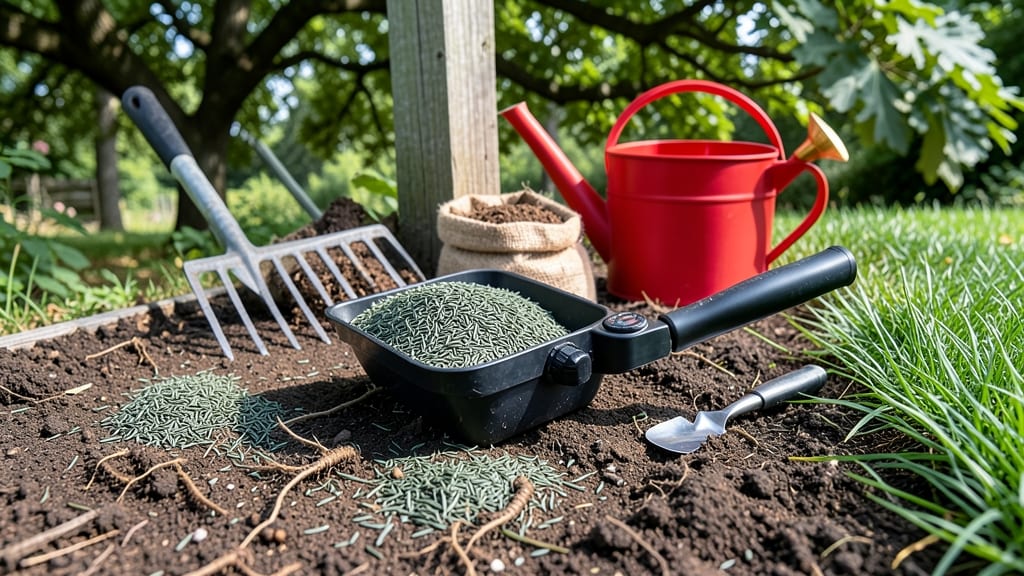
Planting grass seed in the fall is your best shot at a lush, resilient lawn—but getting the timing wrong can mean wasted effort and money. The 4-6 week window before your first frost is critical, as cooler temperatures and natural rainfall create perfect conditions for deep root growth.
Too early, and frost will nip seedlings in the bud; too late, and winter dormancy kicks in before roots establish properly.
I’ve helped countless gardeners nail this window, and the key is understanding your local climate. Whether you’re in the chilly USDA Zone 6a or a warmer southern region, knowing when to plant ensures your grass takes hold before winter sets in.
Let’s break down the exact months and preparation steps to guarantee success.
You might think spring is the ideal time, but fall actually gives grass a head start. With fewer weeds competing for resources and milder temperatures, your seed has a better chance to germinate and grow strong roots before the cold hits.
We’ll cover everything from soil prep to seed selection so you can avoid common pitfalls.
Ready to transform your yard? By the end of this guide, you’ll know exactly when to plant in your area, how to prepare your soil, and what to watch for to ensure your grass thrives all season long. Let’s get started!
Optimal fall grass seed planting months by US climate zone
Fall planting gives grass seed a 4-6 week head start before winter dormancy, but your local climate zone determines the exact window. In northern regions (USDA Zones 3-5), aim for late August to mid-September—this ensures roots establish before first frost in October.
Southern zones (6-10) can plant as late as November, thanks to milder winters.
Key rule: Soil temps should stay above 50°F for at least 4 weeks post-planting. Use a soil thermometer to check—cool-season grasses like tall fescue or ryegrass thrive in these conditions. Warm-season grasses (e.g., Bermuda) should be planted in late spring/summer instead.
Regional differences matter! Mountainous areas (e.g., Colorado, Utah) may need to plant 2-3 weeks earlier due to earlier frosts. Coastal regions (e.g., California, Oregon) can extend planting until mid-November thanks to milder ocean-influenced climates. Always check your local first frost date—this is your planting deadline.
| Climate Zone | Best Planting Window | Soil Temp Threshold | Frost Risk | Grass Variety Recommendation |
|---|---|---|---|---|
| Northern (Zones 3-5) | Late August – Mid-September | 50–65°F (10–18°C) | High (Oct–Nov) | Tall Fescue, Fine Fescue, Ryegrass |
| Midwest (Zones 6-7) | Mid-September – Early October | 55–68°F (13–20°C) | Moderate (Nov) | Kentucky Bluegrass, Perennial Ryegrass |
| Southern (Zones 8-10) | October – Mid-November | 60–75°F (15–24°C) | Low (Dec–Jan) | St. Augustine, Zoysia, Centipede |
| Mountainous (Zones 4-7) | Early August – Late September | 45–60°F (7–15°C) | Very High (Sept–Oct) | Fine Fescue, Creeping Red Fescue |
| Coastal (Zones 7-10) | September – Mid-December | 55–70°F (13–21°C) | Low–Moderate | Bermuda (spring), Ryegrass (fall) |
Pro tip: If your area has unpredictable frosts, use a frost clock (available at garden centers) to track 32°F (0°C) risks.
For example, Chicago (Zone 5) typically sees first frost October 15, so plant by September 1 to give roots time to grow 4-6 inches deep before winter.
Warm-season grasses like Bermuda or Zoysia should never be planted in fall—they go dormant and won’t establish properly. Instead, focus on cool-season varieties like tall fescue or ryegrass, which handle fall’s cooler temps and winter dormancy like champions.
Ever wonder why fall planting works so well? Cooler air temps reduce seedling stress, while warmer soil (from summer heat) fuels root growth. Plus, fewer weeds compete for resources in fall. Just beware of early frosts—they can kill young seedlings overnight.
For southern gardeners, late fall planting (November) is risky if winters dip below 32°F (0°C). Use a frost blanket or straw mulch to protect seedlings. In northern climates, planting too late (after October 1) often means weak roots before winter sets in.
Need a quick rule of thumb? Plant when daytime highs average 70°F (21°C) but nighttime lows drop below 60°F (15°C). This sweet spot signals your grass seed it’s time to germinate and grow without heat stress
How to prepare soil and seed for fall planting success
Preparing your soil and seed properly is the secret to a thick, healthy lawn after fall planting. Start by testing your soil pH—aim for a range of 6.0 to 7.0, which is ideal for most cool-season grasses.
If your soil is too acidic or alkaline, amend it with lime (to raise pH) or sulfur (to lower pH) 4-6 weeks before planting.
Next, focus on soil aeration to break up compacted layers. Use a core aerator (rent one if needed) to pull out small soil plugs, which allows water, air, and nutrients to reach the roots.
This step is especially critical if your lawn has heavy foot traffic or clay soil. After aerating, spread a thin layer of compost (¼ inch) to improve soil structure and fertility.
- Step 1: Test soil pH (ideal: 6.0-7.0) using a soil test kit from your local garden center.
- Step 2: Amend soil with lime or sulfur if pH is outside the ideal range. Wait 4-6 weeks before planting.
- Step 3: Aerate the soil with a core aerator to improve drainage and root penetration. Do this 1-2 weeks before seeding.
- Step 4: Spread a thin layer of compost (¼ inch) over the aerated soil and lightly rake it in. This adds organic matter for better nutrient retention.
- Step 5: Choose the right grass seed mix. For fall planting, opt for cool-season grasses like tall fescue, ryegrass, or Kentucky bluegrass, depending on your climate.
- Step 6: Spread the seed evenly using a broadcast spreader, aiming for 5-10 lbs per 1,000 sqft, depending on the seed type. Lightly rake to ensure good seed-to-soil contact.
When selecting your grass seed, consider your lawn’s specific needs. Tall fescue is a top choice for its drought tolerance and shade adaptability, while ryegrass germinates quickly, making it ideal for fast coverage.
Avoid warm-season grasses like Bermuda or Zoysia for fall planting—they won’t establish properly in cooler weather.
After planting, keep the soil consistently moist (not soggy) by watering lightly twice daily for the first week. This encourages uniform germination. Once seedlings reach 2-3 inches tall, reduce watering to once daily in the morning to prevent fungal diseases.
A light layer of straw mulch (¼ inch) can help retain moisture and protect seedlings from early frosts.
One common mistake? Over-seeding or using old seed. Always check the seed packet’s germination rate—aim for 80% or higher. If your seed is over a year old, it may not germinate well. Store any leftover seed in a cool, dry place for next year’s planting.
For extra insurance, apply a starter fertilizer with a high phosphorus content (e.g., 5-10-5) at planting time. Phosphorus promotes root development, which is crucial for fall-planted grass to survive winter. Avoid nitrogen-heavy fertilizers early on—they can burn seedlings and encourage top growth instead of roots.
🌱