
Planting
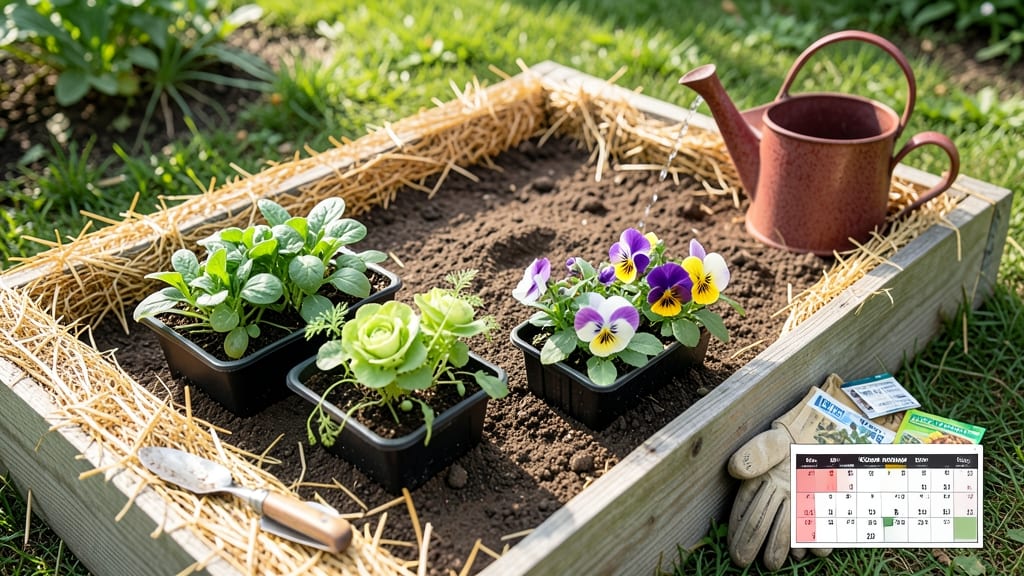
Ohio’s frost-free dates by planting Zone: when to start seeds indoors and outdoors
Ohio spans USDA Plant Hardiness Zones 5b to 6b, meaning frost dates vary dramatically from northern Cleveland to southern Cincinnati. Northern Ohio’s last frost typically hits around April 15, while southern Ohio sees its final freeze closer to April 1.
These dates create a 165-day frost-free window—your golden hour for gardening success.
To maximize your harvest, align your planting with Ohio’s three critical phases: starting seeds indoors, hardening off seedlings, and transplanting outdoors. For example, tomatoes need 60-70 days to mature, so northern Ohio gardeners should begin seeds indoors by March 1 to transplant by May 15.
Here’s how Ohio’s zones break down for your planting timeline:
| Zone | Last Frost Date | Start Seeds Indoors | Transplant Outdoors | Key Crops |
|---|---|---|---|---|
| 5b (Northern OH) | April 15–May 1 | March 1–March 15 | May 15–May 30 | Peas, Lettuce, Kale |
| 6a (Central OH) | April 1–April 15 | February 28–March 10 | April 20–April 30 | Tomatoes, Peppers, Basil |
| 6b (Southern OH) | March 20–April 1 | February 15–February 25 | April 1–April 15 | Squash, Cucumbers, Okra |
Soil temperature matters just as much as air temperature. For warm-season crops like tomatoes and peppers, wait until soil reaches 60°F—use a soil thermometer to confirm. In northern Ohio, this often means waiting until late May, while southern Ohio gardeners can plant by mid-April.
Cool-season crops like spinach and carrots thrive when soil temps are 45–65°F. Plant these 4–6 weeks before your last frost date. For northern Ohio, that’s mid-March, while southern Ohio gardeners can start in late February.
Pro tip: Use row covers to extend your planting window by 2–3 weeks in spring and fall. These lightweight fabrics protect seedlings from light frosts (28–32°F) and speed up soil warming. I’ve used them to plant broccoli in early April—even in Zone 5b—without losing a single seedling.
Monitor local frost forecasts via the NOAA or your county extension office. For example, a late frost in May can devastate young tomato plants.
In my Zone 6a garden, I’ve lost entire rows of peppers to a May 10 freeze—always be prepared to cover plants with frost cloth if forecasts warn of 32°F or lower.
Perennials like asparagus and rhubarb have their own timing rules. Plant crowns in early spring (March–April) when soil is workable but before active growth begins. These hardy plants tolerate light frosts once established, making them ideal for Ohio’s unpredictable climate.
Remember: Ohio’s first frost typically arrives between October 15–November 1, depending on your zone. Use this window to plant fall crops like kale and radishes, which sweeten after a light frost. I’ve harvested sweet potatoes well into November by covering them with straw mulch.
🌱
Best month-by-month planting calendar for Ohio gardens: what to sow in spring, summer, and fall
Ohio’s 60-day frost-free window (typically April 15 to October 15) means every week counts. I’ve broken down the ideal planting months for Ohio’s most popular crops, balancing cool-season hardiness and warm-season heat tolerance—with adjustments for northern vs. southern Ohio’s microclimates.
For cool-season crops like kale, peas, and spinach, I start seeds indoors in March and transplant outdoors by early April. These frost-tolerant plants thrive even when temperatures dip to 25°F, making them perfect for Ohio’s unpredictable springs.
In contrast, warm-season crops like tomatoes and peppers need soil temperatures above 60°F—wait until mid-May for northern Ohio or early May in southern regions.
- March: Start cool-season seeds (kale, peas, spinach) indoors. Plant hardy greens outdoors if soil isn’t frozen.
- April: Transplant cool crops outdoors after last frost (April 15 avg). Direct-sow radishes, lettuce.
- May: Plant warm-season crops (tomatoes, peppers) after soil hits 60°F. Succession plant beans, cucumbers every 2 weeks.
- June: Sow fall crops (carrots, spinach) for late harvests. Harvest early spring crops before bolting.
- July-August: Direct-sow cool-season seeds for fall harvests. Avoid planting warm crops if temps exceed 85°F.
- September: Last chance for fast-maturing crops (bush beans, radishes). Plant garlic for next year.
Ohio’s northern regions (USDA Zone 5b) have a shorter growing season, so I recommend starting warm-season crops indoors in March and using row covers to extend the season. In southern Ohio (Zone 6b), you can push planting dates 2-3 weeks later and even try fall tomatoes with frost cloths.
For perennials like asparagus and rhubarb, I plant crowns in early spring (March-April) or early fall (September) when soil is workable but not frozen. These slow-to-establish plants benefit from 2-3 years of undisturbed growth, so timing is key to avoiding winter heave.
Don’t forget succession planting—this is my secret weapon for continuous harvests. For example, I sow lettuce every 2 weeks from April to August to avoid bolting. Similarly, bush beans planted in May, June, and July give three harvest windows instead of one.
Ohio’s fall planting is often overlooked, but it’s perfect for hardy crops like kale, carrots, and spinach. I start these in July-August for harvests in October-November, beating the first frost by 4-6 weeks. Just monitor soil temps—below 50°F slows growth, so prioritize fast-maturing varieties.