
Plants
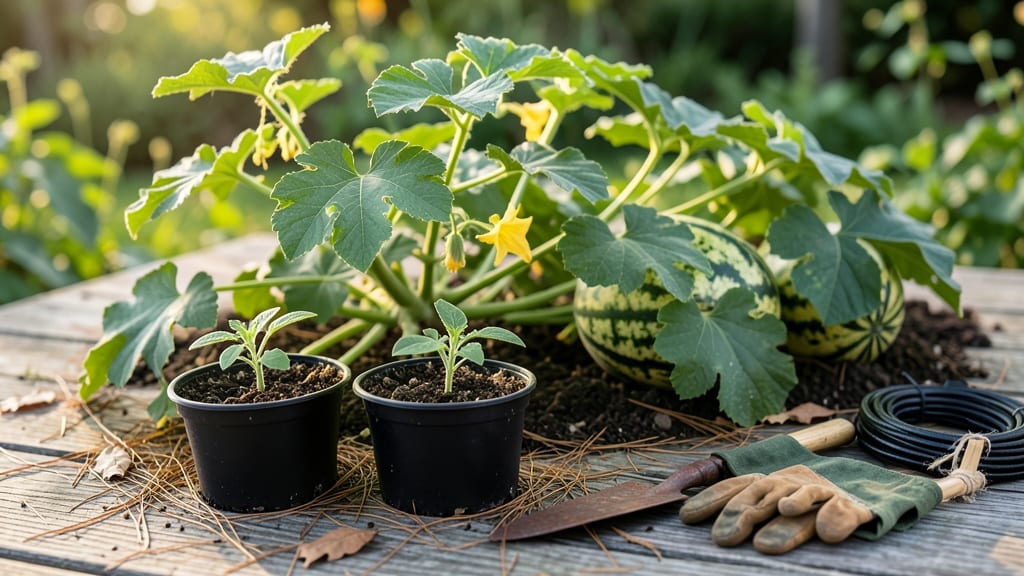
If you’ve ever dreamed of biting into a homegrown 🍉 watermelon fresh from Florida’s soil, timing your planting is the key to success.
The Sunshine State’s warm climate means you can grow these juicy giants twice a year—but plant too early, and frost (yes, it happens!) can sneak in; too late, and your vines may wilt under the brutal summer heat.
Most Florida gardeners swear by spring planting between mid-February and early May or a second chance in late July to early September for a fall harvest. But here’s the secret: soil temperature matters more than the calendar.
Watermelons need at least 70°F to germinate fast, so we’ll show you how to time it perfectly for your region—whether you’re in the Panhandle, Central Florida, or the tropical South.
Ready to skip the store-bought melons and grow your own? I’ll walk you through the exact dates, soil prep tricks, and variety picks that make watermelon growing in Florida fast and foolproof. Let’s get those seeds in the ground when they’ll thrive!
From avoiding frost to beating the heat, this guide covers everything you need to know for a bumper crop. Whether you’re a first-time gardener or a seasoned pro, you’ll learn how to turn Florida’s long growing season into your watermelon goldmine.
Optimal Florida watermelon planting dates by region (north vs. central vs. South)
Florida’s three distinct climate zones mean your watermelon planting window can vary by 6 weeks depending on where you live. North Florida’s cooler springs demand earlier starts, while South Florida’s long growing season lets you plant well into summer.
Let’s break down the exact dates and soil conditions for each zone to maximize your harvest.
First, know this: watermelons need warm soil—at least 70°F (21°C)—to germinate. In Florida, this typically means waiting until after your last frost date, which ranges from mid-January in North Florida to never in South Florida.
Use a soil thermometer to confirm readiness; cold soil slows germination and invites rot.
Here’s the region-by-region breakdown of when to plant watermelons in Florida, including spring vs. fall planting strategies to extend your harvest season. The table below shows the ideal planting windows, soil temperature thresholds, and harvest timelines tailored to your part of the state.
| Region | Spring Planting Window | Soil Temp Threshold | Fall Planting Window | Harvest Window | Notes |
|---|---|---|---|---|---|
| North Florida (Panhandle, Gainesville) | Mid-February to early April | 70°F+ (use black plastic mulch) | Late July to early August | May–July (spring) / Sept–Oct (fall) | Frost risk until March; choose fast varieties (60–70 days). |
| Central Florida (Orlando, Tampa) | Early March to mid-April | 70°F+ (soil warms faster) | Late July to mid-August | June–August (spring) / Sept–Nov (fall) | Longer growing season; can plant twice yearly. |
| South Florida (Miami, Fort Lauderdale) | Mid-February to early May | 70°F+ (rare frost risk) | Late July to early September | April–July (spring) / Sept–Dec (fall) | No frost; can plant year-round with shade in peak summer. |
Notice how South Florida gardeners have the longest planting window? That’s because frost is rarely a threat below USDA Zone 9b. In contrast, North Florida’s shorter spring means you must plant fast-maturing varieties (like ‘Sugar Baby’) to avoid heat stress before harvest.
Pro tip: Use row covers in early spring to protect seedlings from unexpected cold snaps.
For fall planting, aim to sow seeds 80–90 days before your first frost (or early September for North Florida). In South Florida, you can push this to early October since frost is unlikely.
Just watch for humidity and fungal diseases—watermelons planted too late in the season may struggle with powdery mildew as temps drop.
One critical mistake Florida gardeners make? Planting too late in North Florida and expecting a harvest before summer heat sets in. If you’re in Jacksonville or Tallahassee, your last chance for a spring crop is early April.
After that, your seedlings will bolt to flower under the stress of 90°F+ days, leading to small, seedy melons. Save your late starts for fall.
To extend your harvest season, try succession planting every 2 weeks during your zone’s planting window. For example, in Central Florida, plant a batch in March, April, and early May to stagger ripening.
This ensures you’re not overwhelmed with melons at once and can enjoy them fresh for months.
Finally, soil preparation is non-negotiable. Watermelons thrive in loamy, well-draining soil with a pH of 6.0–6.8. Before planting, amend your beds with compost and aged manure to boost fertility.
In sandy Florida soils, mix in peanut hulls or coconut coir to retain moisture—watermelons need consistent watering but hate soggy roots.
Now that you’ve got your planting dates locked in, let’s tackle the 3 biggest mistakes Florida gardeners make when timing their watermelon crops—and how to avoid them. (Spoiler: It’s not just about the calendar!) 🌱
How to time watermelon planting for Florida’s heat zones (avoid these 3 mistakes)
Florida’s heat zones can be tricky for watermelons—too early, and your seeds rot in cold soil; too late, and your vines wilt before fruiting. The key is planting when soil temps hit 70°F+ and aligning with your region’s microclimate.
In North Florida, this means waiting until mid-March after the last frost, while South Florida gardeners can start as early as February.
I’ve seen seedlings collapse from late starts in Central Florida’s 90°F+ heat waves. The fix? Use black plastic mulch to warm soil faster and plant in late July for a fall harvest. This two-season strategy maximizes your growing window in Florida’s 270–365 frost-free days.
- Planting too early in North Florida (before March 15) risks frost damage.
- Skipping soil warming—watermelon seeds need 70°F+ soil to germinate.
- Ignoring heat stress—late starts in summer can cause blossom drop.
To salvage late starts, I recommend shade cloth for seedlings and drip irrigation to keep roots cool. Even in South Florida’s tropical heat, a light shade during peak afternoon sun helps vines establish before they spread. Pro tip: Mulch heavily with straw to retain moisture and block weeds.
Another critical trick? Pre-sprout seeds indoors 2–3 weeks before your target planting date. Use seedling heat mats to jumpstart germination, then transplant when soil is warm. This head start gives vines a fighting chance in Florida’s fast-changing weather.
For fall planting, aim for late July to early August in North Florida and June to July in South Florida. Watermelons need 75–90 days to mature, so time it so harvests finish before first frosts (which hit North Florida by mid-December).
In South Florida, you can push it to September for late-season fruit.
Remember, Florida’s humidity and heat demand extra care. Monitor for powdery mildew and cucumber beetles, and prune vines to improve airflow. With the right timing and these adjustments, you’ll avoid the top 3 mistakes and enjoy juicy, homegrown watermelons all season long. 🍉