
Plants
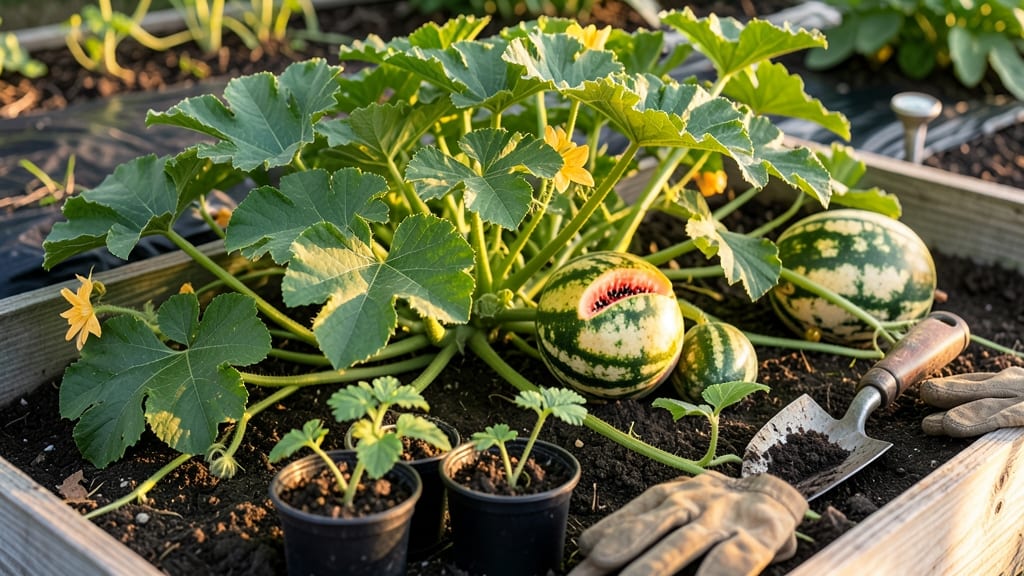
Planting watermelons in Tennessee at the wrong time can mean the difference between a sweet summer harvest and a sad, wilted vine.
The perfect window—after the last frost but before scorching heat sets in—varies dramatically across the state’s 6a-7b zones, and getting it wrong risks stunted growth or even crop loss.
If you’ve ever wondered why your neighbors’ 🍉 plants thrive while yours struggle, timing is the key. Tennessee’s climate offers a generous 165-200 frost-free days, but watermelons need warm soil (at least 70°F) to germinate properly.
That means waiting until mid-April to early June, with adjustments for microclimates like the Smoky Mountains or Nashville’s urban heat islands.
In this guide, I’ll break down the exact dates for your county, whether you’re sowing seeds directly or transplanting seedlings. You’ll also discover how to use black plastic mulch to speed up soil warming and which fast-growing varieties suit Tennessee’s short season best.
Ready to grow watermelons that burst with flavor? Let’s get your planting schedule locked in for a harvest that’ll make your taste buds dance by late summer.
Tennessee planting zones & exact watermelon planting dates by county
Tennessee spans USDA hardiness zones 5b through 8a, meaning your last frost dates can vary by up to 6 weeks from east to west. Watermelons (Cucumis melo) need warm soil (70°F+) and frost-free conditions to thrive, so timing depends heavily on your local microclimate.
For example, Memphis (Zone 7b) can plant as early as mid-April, while high-altitude areas like Gatlinburg (Zone 6a) may wait until late May.
Most Tennessee gardeners use two planting methods: direct sowing seeds or transplanting 2-3 week old seedlings. Direct sowing is cheaper but slower, while transplants give you a 2-week head start.
Below, I’ve broken down exact planting windows for Tennessee’s most common USDA zones, along with soil temperature and harvest timing to maximize your yield.
| USDA Zone | Last Frost Date | Ideal Planting Window | Soil Temp Requirement | Harvest Window | Notes |
|---|---|---|---|---|---|
| 5b (e.g., Bristol, Johnson City) | Mid-April | Late May – Early June | 70°F+ (use black plastic mulch) | Late August – Early October | Short season; choose fast varieties |
| 6a (e.g., Knoxville, Chattanooga) | Early April | Mid-April – Late May | 70°F+ (wait for warm nights) | Mid-July – Mid-September | Moderate heat; mulch helps |
| 7a (e.g., Nashville, Clarksville) | Mid-March | Early April – Mid-May | 70°F+ (soil warms faster) | Late June – Late September | Long season; two plantings possible |
| 7b (e.g., Memphis, Jackson) | Early March | Mid-March – Early June | 65°F+ (earlier starts possible) | Late May – Early October | Longest season; heat-tolerant varieties |
| 8a (e.g., Nashville outskirts, Franklin) | Late February | Early March – Late May |
How to adjust watermelon planting for Tennessee’s microclimates & common mistakesTennessee’s diverse geography—from the Great Smoky Mountains to the Memphis Delta—creates microclimates that can shift your watermelon planting window by weeks. High-altitude areas like Gatlinburg (Zone 6a) may need to wait until late May, while urban heat islands in Nashville (Zone 7a) can start as early as mid-April. Even within the same county, urban gardens with concrete heat absorption warm up faster than rural fields. Test your soil temperature with a soil thermometer—watermelon seeds won’t germinate below 70°F (21°C). If your soil is still cool, use black plastic mulch to raise temperatures by 5-10°F in just days.
⚠️ 3 Critical Mistakes That Kill Tennessee Watermelon Yields
For high-altitude gardens (e.g., Sevier County), choose shorter-season varieties like ‘Early Red’ (70 days to maturity) and start seeds indoors in March. Transplant hardened-off seedlings after May 15 to avoid late frosts. In West Tennessee, where heat arrives early, opt for heat-tolerant varieties like ‘Crimson Sweet’ and plant by April 15. Urban gardeners face unique challenges: limited space and heat-reflecting surfaces that bake soil. Use vertical trellises for compact varieties like ‘Sugar Baby’ and water deeply in the early morning to combat evaporation. Avoid planting near walks or driveways, where reflected heat can stress young plants. Pro tip: If you miss the ideal window, try container growing with 5-gallon pots. Move containers to sunny spots and use self-watering systems to maintain consistent moisture. Just ensure pots have drainage holes—watermelons hate soggy roots! Finally, watch for late-spring frosts in Tennessee’s northern regions. If frost threatens after planting, cover seedlings with frost cloth or a lightweight row cover until temperatures stabilize. With these adjustments, you’ll maximize your harvest window from late July through September—just in time for summer picnics! 🍉 |