
Flowers
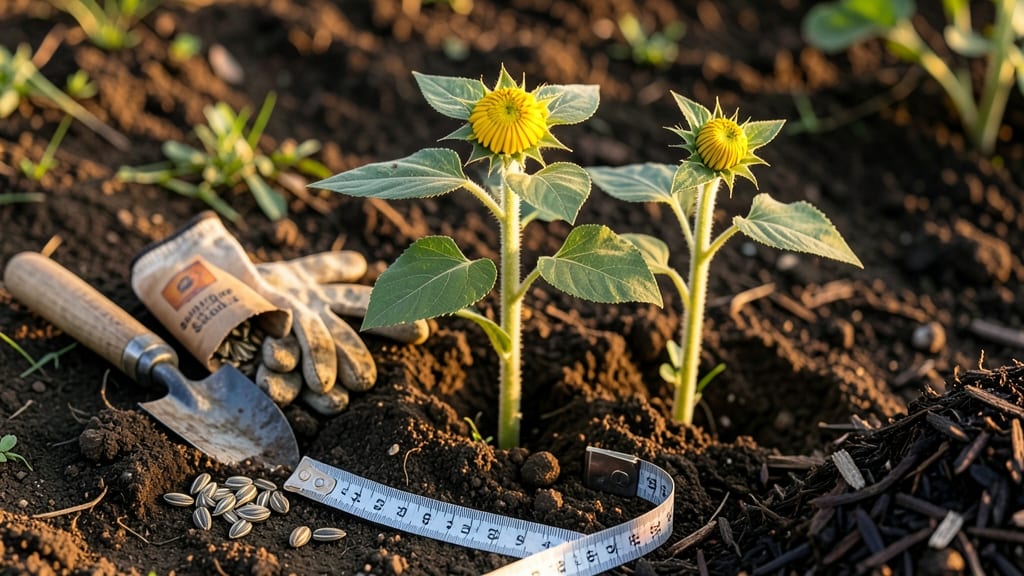
If you're dreaming of sunflowers 🌻 that stretch toward the sky like Georgia's golden sunsets, timing your planting is the secret weapon you need.
The perfect window between mid-March and early July can mean the difference between stunted blooms and towering giants reaching 10+ feet—especially in USDA Zone 8b where summer heat arrives fast.
Most Georgia gardeners make one critical mistake: waiting too long to plant after the last frost. While the average last frost date hovers around mid-March, rushing seeds into cold soil can stall growth.
The key is planting when soil temperatures hit at least 50°F, giving your sunflowers a head start before summer's intensity peaks.
But here's what most guides won't tell you: your location within Georgia matters. Coastal areas like Savannah have milder winters, while inland Atlanta faces earlier heat waves.
We'll break down exactly how to adjust your planting schedule—whether you're in a rural field or an urban container garden—to ensure your sunflowers hit their full potential height.
Ready to grow sunflowers that turn heads and fill your garden with color? Let's dive into the exact timing, soil prep, and variety choices that will make this your sunflower's best growing season yet.
Best planting dates in Georgia for sunflower height maximization
Georgia’s USDA Zone 8 climate gives you a 120-day growing window for sunflowers, but timing directly impacts whether you’ll grow 4-foot dwarfs or 14-foot giants.
The key is planting after your average last frost date—typically mid-March to early April—but before soil temperatures hit 90°F+, which stresses young seedlings. For maximum height, aim for early spring (March-April) or late spring (May-June) when nights stay cool.
Sunflowers need 60-90 days to mature, so if you’re chasing 10+ foot varieties, your planting window closes by early July.
After that, summer’s intense heat and humidity slow growth, leaving you with stunted plants. Soil temperature is your best guide—wait until it’s consistently above 50°F (10°C) at a 2-inch depth before sowing.
Here’s the golden rule for Georgia gardeners: Plant sunflowers when your neighbor’s azaleas finish blooming (usually late April). This ensures your seeds germinate in warm soil but avoid the peak summer heat that can scorch young plants.
For container gardening in urban areas, start seeds indoors 2-3 weeks earlier to extend your window.
| Planting Window | Best For | Height Potential | Risk Factors |
|---|---|---|---|
| Early Spring (March 15-April 15) | Giant varieties (10-14 ft) | 10-14 ft (with care) | Late frost damage |
| Late Spring (April 15-May 30) | Standard varieties (6-10 ft) | 6-10 ft (reliable) | Heat stress if planted late |
| Summer (June 1-July 1) | Dwarf varieties (2-4 ft) | 2-4 ft (stunted growth) | Slow growth, bolting |
For Atlanta’s cooler microclimate (Zone 7b), push your first planting to April 1 to avoid late frosts. In Savannah or Macon (Zone 8a), you can start as early as March 1, but monitor soil temps—cold soil (<50°F) delays germination by 2+ weeks.
If you’re growing ‘Mammoth’ or ‘Russian Giant’ varieties, direct-sow seeds (don’t transplant) after May 15 to avoid transplant shock in Georgia’s heat.
One common mistake is planting sunflowers too early in hopes of a longer growing season. Seeds sown in February risk rot in cold soil or frost damage to seedlings. Instead, use biodegradable seed starters or row covers to protect early plantings.
For fall harvests, try a late July planting—but only with drought-tolerant varieties like ‘ProCut’ or ‘Autumn Beauty.’
Georgia’s humidity and summer rains can also work in your favor. Sunflowers planted in June often bolt faster due to longer daylight, but expect shorter stems (4-6 ft).
To maximize height, pair early spring plantings with regular deep watering (1-2 inches per week) and balanced fertilizer (10-10-10) every 4-6 weeks until flowering.
If you’re container gardening in cities like Athens or Columbus, start seeds indoors by March 1 and transplant after April 15. Containers dry out faster, so use self-watering pots and lightweight potting mix to prevent root stress.
For ground planting, amend soil with compost to improve drainage—Georgia’s clay-heavy soils can suffocate roots if too compacted.
Remember: Sunflowers grow fastest when days are long (June-August), but heat waves above 95°F slow growth. To beat the heat, provide afternoon shade for young plants (use shade cloth) until they reach 2 feet tall.
Once established, their deep taproots make them drought-tolerant, but consistent moisture in early growth stages is critical for stem strength.
For record-breaking height, choose ‘Russian Giant’ or ‘Mammoth’ varieties and plant March 20-April 10. With ideal timing, these can reach 12-16 feet by October—taller than most Georgia porches!
Track your local frost dates (check Almanac.com) and adjust your schedule by ±1 week based on your specific county’s climate
Best planting dates in Georgia for sunflower height maximization
Sunflowers thrive in Georgia’s USDA Zone 8 climate, but timing is critical to achieve their full 10+ foot height potential. The ideal planting window spans from mid-March to early July, aligning with soil warmth and frost-free conditions.
Planting too early risks frost damage, while late planting may stunt growth before the first frost in November.
For maximum height, aim to plant sunflower seeds when soil temperatures reach 50°F (10°C)—typically 2-3 weeks after Georgia’s average last frost date (March 15).
This ensures robust root development before summer’s intense heat arrives. Varieties like 'Mammoth' or 'Russian Giant' need this early start to reach their towering potential.
🌱 Visual Guide: Planting Windows by Georgia Region
| Planting Window | Soil Temp Requirement | Frost Risk | Best Varieties |
|---|---|---|---|
| Mid-March to April 15 | 50-55°F (10-13°C) | Low (post-last frost) | 'Mammoth Russian', 'Autumn Beauty' |
| April 16 to May 31 | 55-60°F (13-16°C) | None | 'ProCut Hybrid', 'Sunspot' |
| June 1 to July 5 | 60°F+ (16°C+) | High (late-summer heat) | 'Teddy Bear', 'Evening Sun' |
Late June plantings are possible but require drought-resistant varieties like 'Teddy Bear' to survive Georgia’s 90°F+ summer heat. These shorter varieties (3-5 feet) mature faster, making them ideal for container gardens in urban Atlanta or Savannah areas with limited space.
For giant sunflowers, prioritize early spring planting (March-April) to ensure 100+ days of growth before the first frost. Use a soil thermometer to confirm readiness—sunflowers won’t germinate below 50°F (10°C). In high-altitude areas (e.g., Blue Ridge Mountains), delay until mid-April to avoid late frosts.
🌻 Pro Tip: Pre-soak seeds for 24 hours before planting to boost germination rates in Georgia’s sandy soils. Add compost to improve moisture retention, especially in drought-prone regions like West Georgia.
Remember: Sunflowers need full sun (6-8+ hours daily), so choose south-facing garden beds or raised beds with excellent drainage. Avoid planting near trees or tall structures that cast shade—this will drastically reduce height and bloom size.