
Flowers
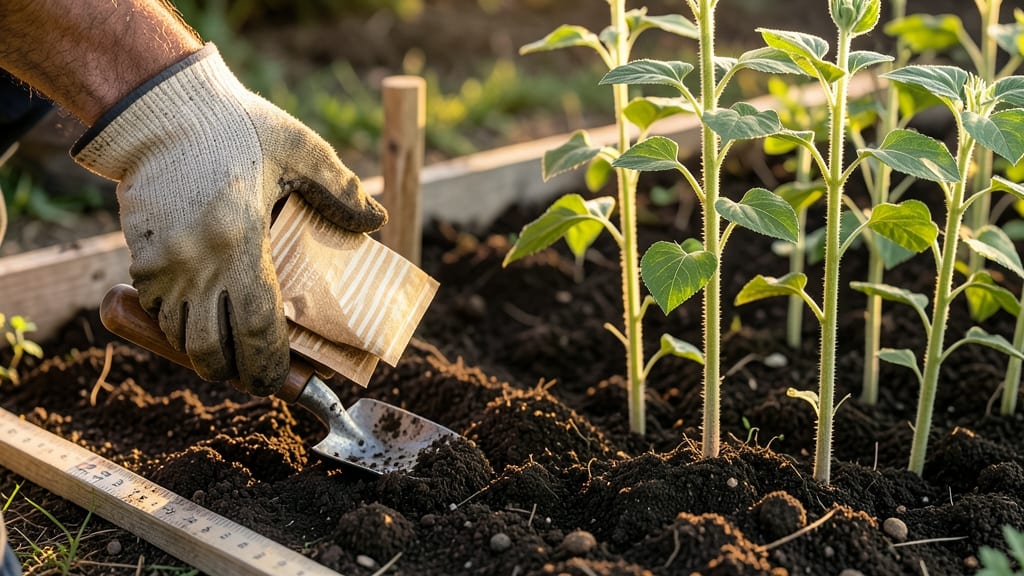
Planting sunflowers in Indiana at the wrong time can mean the difference between towering blooms and disappointing stems. With USDA Zone 6a climate, timing your 🌻 seeds between mid-April and early June unlocks their full potential—whether you're growing them for height or harvest.
Most Indiana gardeners make one of two mistakes: planting too early when frost lingers or waiting too long and missing the ideal 60-day growing window. The key is understanding your microclimate—whether you're in northern Indiana where frosts run late or southern areas with earlier warm-ups.
I'll show you exactly when to start seeds indoors (if transplanting) versus direct sowing outdoors, plus how to adjust for cooler springs or extended summers. By the end, you'll know the precise deadlines to maximize those 10-foot-plus sunflowers before Indiana's first frost in October.
Ready to grow sunflowers that dwarf your neighbors'? Let's dive into the zone-specific schedule that works for Indiana's unique growing conditions.
Indiana planting zones & sunflower deadlines by month
Indiana’s USDA zones 5-6 create ideal conditions for sunflowers, but timing is critical to avoid frost damage or stunted growth. Most gardeners in northern Indiana (Zone 5) should wait until mid-April, while southern regions (Zone 6) can start as early as late March.
The key is planting after soil temperatures reach 55°F and the last frost date has passed.
Sunflowers thrive in Indiana’s 165 frost-free days, giving them plenty of time to reach their 6-12 foot potential. For maximum height, aim to plant between April 15 and May 15, but late June sowings can still produce blooms if given enough sunlight and water.
Here’s how to align your planting with Indiana’s climate for taller, healthier sunflowers:
| Zone | Last Frost Date | Ideal Planting Window | Soil Temp Requirement | Height Potential |
|---|---|---|---|---|
| Zone 5 (Northern IN) | April 15 | Mid-April to May 15 | 55°F+ | 6-10 ft |
| Zone 6 (Southern IN) | March 25 | Late March to June 1 | 50°F+ | 8-12 ft |
| Both Zones | First Frost | October 15 | Late June sowings | 3-6 ft (dwarf varieties) |
For direct sowing (the preferred method for sunflowers), drop seeds 1 inch deep and 6 inches apart in rows spaced 1 foot apart. This spacing prevents overcrowding, which stunts growth.
If you’re transplanting young seedlings, do so after the last frost when they’re at least 3-4 inches tall and have 2-3 true leaves.
Indiana’s late summer heat (July-August) is perfect for sunflowers, but they need consistent moisture during seedling establishment. Water deeply every 3-5 days until plants reach 1 foot tall, then reduce to once a week unless experiencing drought. Mulching with straw helps retain moisture and suppress weeds.
Pro tip: In northern Indiana, use black plastic mulch to warm soil faster and extend the growing season by 1-2 weeks. Southern Indiana gardeners can experiment with fall plantings in early September for late-season blooms, though these may not reach full height.
Sunflowers are hardy annuals that tolerate Indiana’s humidity and occasional storms, but heavy rain can cause stem rot. Plant in slightly elevated areas or raised beds to improve drainage. If you miss the spring window, don’t despair—late June plantings still yield beautiful blooms, just shorter ones.
For maximum height, choose tall varieties like 'Mammoth' or 'Russian Giant' and plant them in full sun locations with well-draining soil. Avoid planting near large trees, which compete for nutrients and water. With the right timing, your sunflowers could reach 10 feet or taller by late summer!
Remember: Sunflowers follow the sun—their stems grow toward light, so give them 6-8+ hours of direct sunlight daily. In Indiana, this means planting in south-facing gardens or along fences/walls that reflect sunlight. 🌻
How to adjust sunflower planting for Indiana’s microclimates
Indiana’s diverse landscapes—from urban backyards to rural farmland—create microclimates that can shift sunflower planting deadlines by 2-3 weeks. Urban gardens often experience heat islands that warm soil faster, while elevated areas stay cooler longer. Understanding these variations helps you extend growing seasons or protect seedlings from unexpected frosts.
For example, southern Indiana’s (Zone 6) warmer microclimates near rivers or lakes can support late March plantings, while northern Indiana’s (Zone 5) cooler pockets—like hilly regions—may need to wait until May 1 for safe sowing.
Even within the same county, a south-facing hillside can be 2-3°F warmer than a north-facing valley, affecting seedling success.
Here’s how to adapt your sunflower planting for Indiana’s unique growing conditions:
- 🌡️ Urban Heat Islands: City gardens often warm up 1-2 weeks earlier than rural areas. Plant 1 week ahead of rural deadlines if your soil reaches 55°F+ by late March.
- 🏞️ Elevated Areas: Hills and slopes stay cooler. Delay planting until after May 15 or use row covers to warm soil faster.
- 🌊 Water Bodies: Gardens near lakes/rivers get longer growing seasons. Extend plantings to early June for late-summer blooms.
- 🏡 Wind Exposure: Open fields increase transpiration. Water daily for seedlings in windy microclimates to prevent wilting.
- 🌿 Shade Variations: Even partial shade (e.g., near buildings) can reduce height by 30%. Choose dwarf varieties or plant in full sun patches.
- 🌱 Fast-Maturing Varieties: For cooler microclimates, pick 50-day varieties like 'Teddy Bear' to ensure blooms before frost.
If your microclimate runs cooler than average, try these season-extending tricks:
- Use black plastic mulch to raise soil temps by 5-10°F in northern Indiana.
- Plant under cold frames or cloches for 2-3 weeks before transplanting.
- Choose early-maturing hybrids (e.g., 'Autumn Beauty') that bloom in 50-60 days.
For urban gardeners, container growing is a great option. Use 5-gallon pots with fast-draining mix and plant 2-3 weeks later than ground plantings—containers cool faster at night. Place pots on heat-absorbing surfaces (like dark pavement) to mimic warmed soil.
Always monitor your local microclimate for 2-3 years to refine your planting schedule. Keep a garden journal noting frost dates, soil warmth, and bloom times. With these adjustments, even late May plantings in cooler microclimates can yield 5-6 foot sunflowers by summer’s end!
Pro tip: Group sunflowers with companion plants like bush beans or marigolds to improve soil health and deter pests in urban microclimates where pests thrive. 🌿