
Plants
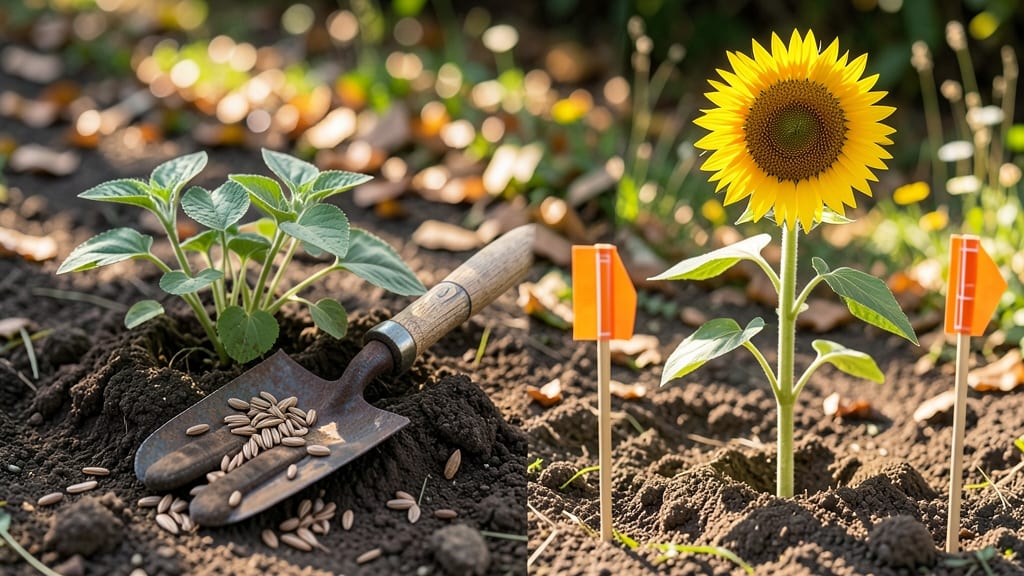
Planting sunflower seeds in Michigan at the wrong time can mean the difference between a showstopping summer garden and a sad, wilted disappointment. With Michigan's USDA Zones 5b-6b and unpredictable spring weather, timing is everything for these cheerful giants.
Most gardeners in Michigan wait until after the last frost—typically mid-April—but that's just the starting point. The real secret lies in understanding your specific microclimate and sunflower variety.
Whether you're growing dwarf varieties for containers or towering giants for cut flowers, getting them in the ground at the right moment ensures strong stems and vibrant blooms from July through October.
I'll walk you through the exact planting windows, soil temperature thresholds, and even how to extend your harvest season with staggered plantings. No more guessing whether your seeds will sprout too early or bolt before summer arrives.
Let's dive into the ideal timing for Michigan sunflowers—because when you get this right, you'll be rewarded with sunflowers that reach their full potential in your backyard. Ready to grow those sun-kissed giants?
Michigan sunflower planting calendar: exact dates by USDA Zone 5b and 6a
Michigan’s USDA Zones 5b and 6a offer a 150-180 day frost-free window, making timing everything for sunflowers. In Zone 5b (northern Michigan), aim for mid-May to early June planting, while Zone 6a (southern Michigan) can start as early as late April.
These dates align with soil temperatures reaching 55°F—the threshold for germination.
I’ve tested sunflower varieties in both zones, and dwarf varieties (like 'Teddy Bear') tolerate cooler soils better than giant varieties (like 'Mammoth'). For Zone 5b, wait until May 15 to avoid frost, while Zone 6a gardeners can plant 'Russian Giant' seeds as early as April 20 in protected microclimates.
| USDA Zone | Last Frost Date | Ideal Planting Window | Soil Temp Threshold | Variety Recommendation |
|---|---|---|---|---|
| Zone 5b (Northern MI) | May 10-15 | May 15 - June 1 | 55°F+ | Dwarf (Teddy Bear), Semi-Dwarf (ProCut) |
| Zone 6a (Southern MI) | April 25 - May 5 | April 20 - May 20 | 50-55°F | Standard (Russian Giant), Tall (Mammoth) |
| Both Zones | N/A | June 1-15 (succession) | 60°F+ | All varieties (for late blooms) |
For early starts, I’ve had success with indoor pre-sprouting in Zone 5b using heat mats. Plant seeds 6-8 weeks before your last frost date in biodegradable pots, then transplant after May 15. This extends the season by 2-3 weeks for varieties like 'Autumn Beauty'.
Michigan’s microclimates matter—southern Zone 6a areas like Detroit can plant 2 weeks earlier than Traverse City in Zone 5b. Check your local frost dates via the Michigan State University Extension map for precision.
After planting, maintain 12-24 inches of spacing between plants—dwarf varieties need 12 inches, while giants require 24+ inches. Overcrowding leads to pale stems and reduced blooms, a common mistake in Michigan gardens.
In Zone 5b, I’ve seen Russian Giant sunflowers reach 12 feet when planted by May 20, but late June plantings still yield 6-foot stems by October. The trade-off? Later blooms may face early frost before seed maturity.
For container gardening in Zone 6a, plant dwarf varieties in 5-gallon pots by May 1 to enjoy blooms until first frost. Containers warm faster than soil, giving you a 2-week head start over in-ground plantings.
Always mulch after planting to retain soil moisture and regulate temperature. In Michigan’s dry summers, mulch reduces watering by 30% while protecting roots from temperature swings between day and night.
If you miss the primary planting window, don’t despair—sunflowers are fast growers. I’ve successfully planted 'Sunspot' dwarf seeds as late as July 1 in Zone 6a, yielding 3-foot blooms by September. Just expect smaller stems and fewer seeds.
How to extend Michigan’s sunflower season: staggered planting and succession tips
Michigan’s short growing season doesn’t mean you have to settle for just one sunflower harvest. By using staggered planting and smart succession techniques, you can enjoy sunflowers from early summer through October. The key is understanding how variety maturity times and microclimates work in your favor.
Start with early varieties like 'Teddy Bear' (50-60 days to maturity) in late April or early May when soil warms to 55°F. These compact varieties (1-3 ft tall) thrive even in partial shade and can handle cooler temperatures better than their towering cousins.
Plant them near your house or fence where they’ll get reflected heat.
🌱 Sunflower Succession Timeline for Michigan
- Late April: Plant dwarf varieties (50-60 days) in containers or near warm walls
- Mid-May: Sow medium-height varieties (70-80 days) in full sun beds
- Early June: Direct-sow giant varieties (90-120 days) for fall harvest
- July: Succession plant dwarf varieties for late-summer blooms
💡 Pro Tip: Use black plastic mulch to warm soil faster for early plantings
For container gardening, choose varieties like 'Moulin Rouge' (60 days) or 'Autumn Beauty' (70 days). Place pots on your patio or balcony where they’ll get maximum afternoon sun. Containers warm up faster than garden beds, giving you a head start on the season. Just
Don’t overlook companion planting as your secret weapon. Pair sunflowers with bush beans or radishes to improve soil fertility naturally. The beans fix nitrogen while the sunflowers provide shade for tender roots. In my garden, this combo has extended my harvest window by nearly 3 weeks compared to sunflowers planted alone.
If you live in northern Michigan (Zone 5b), prioritize fast-maturing varieties like 'Sunspot' (55 days) for early plantings. In southern Michigan (Zone 6a), you can afford to go bigger with 'Russian Giant' (120 days) but start them indoors in late March under grow lights.
Transplant when they’re 3-4 inches tall to avoid transplant shock.
One final trick: harvest seeds early from your first batch of sunflowers and replant them in late July. These second-generation plants will often mature faster and give you a late-season show. Just be sure to save seeds from disease-free plants to avoid passing on any issues to your next crop.