
Plants
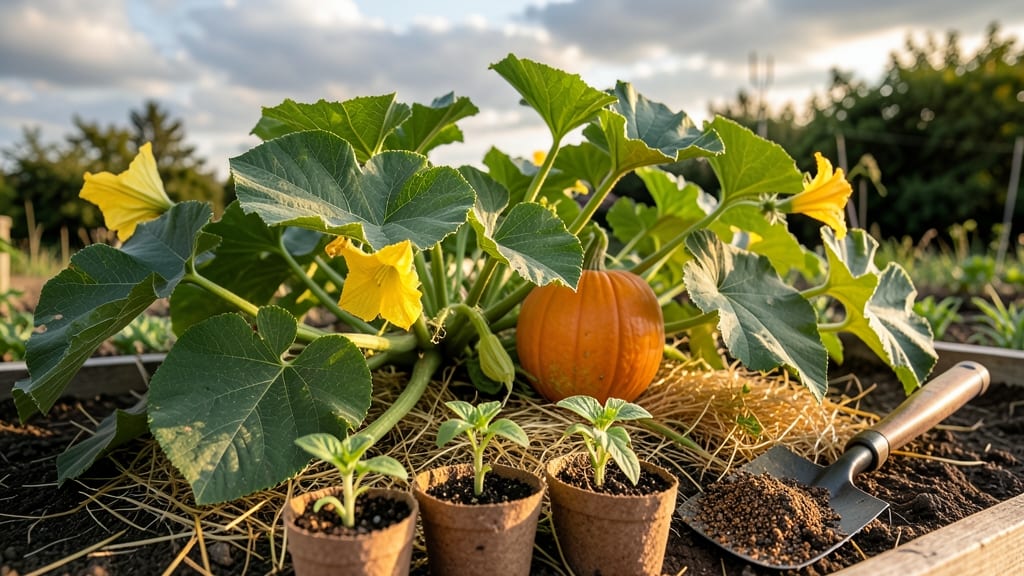
Timing your 🎃 pumpkin planting in South Carolina could mean the difference between a thriving harvest and a sad, wilted vine. With the state’s unique 7b-8a climate, knowing exactly when to plant—between mid-April and early June—isn’t just helpful; it’s essential for avoiding frost damage and maximizing your yield.
If you’ve ever wondered why some gardeners in your area seem to grow perfect pumpkins while others struggle, the answer often lies in those critical planting windows.
South Carolina’s 215 frost-free days give you plenty of time, but missing the mark by even a few weeks can leave your pumpkins underdeveloped by harvest season.
In this guide, I’ll break down the exact planting deadlines for your USDA zone, whether you’re growing small jack-o’-lanterns or large storage varieties. You’ll also discover pro tips to extend your growing season—because in South Carolina, the weather can be as unpredictable as it is warm.
Ready to turn your garden into a pumpkin patch? Let’s get started with the timing and techniques that will give you the best chance for a successful harvest from late September to November.
South Carolina pumpkin planting deadlines by USDA hardiness Zone (frost-free timing guide)
South Carolina spans USDA zones 7b-8a, giving gardeners a 215-day frost-free window—perfect for pumpkins. But timing varies by zone: Zone 7b (Upstate/central) has later last-frost dates than Zone 8a (coastal). Plan accordingly to avoid early-season chills that stunt vines or late-season frosts that ruin harvests.
For direct sowing (planting seeds outdoors), wait until soil temps hit 60°F+ and all frost risk has passed. In Zone 7b, this typically means mid-April to early May, while Zone 8a gardeners can start as early as late March.
Transplants (young plants) can go in 2-3 weeks earlier if you harden them off properly.
Here’s your zone-by-zone planting timeline, including ideal windows for small pumpkins (like jack-o’-lanterns) versus large storage varieties (e.g., ‘Howden’ or ‘Cinderella’). Note: Large varieties need 100+ days to mature, so plant them 4-6 weeks earlier than small ones.
| Zone | Last Frost Date | Direct Sow Window | Transplant Window | Harvest Ready By | Notes |
|---|---|---|---|---|---|
| 7b (Upstate/Central) | Mid-April | Mid-April–Early May | Late March–Mid-April | Late October–Early November | Plant large varieties by April 15. |
| 8a (Coastal/Lowcountry) | Late March | Late March–Early April | Early March–Late March | Early November | Longer season; can plant ‘Jack Be Little’ twice. |
If you’re planting for Halloween displays, prioritize fast-maturing varieties (70–85 days) like ‘Autumn Gold’ or ‘Jack Be Little’. For storage pumpkins (like ‘Long Island Cheese’), plant by April 1 in Zone 7b or March 15 in Zone 8a to ensure a 90+ day growing season.
Missed the ideal window? Don’t panic! You can still plant ‘Cinderella’ or ‘Sugar Pie’ in early June for a smaller harvest—just choose compact varieties and use black plastic mulch to warm the soil. These late plantings work best in Zone 8a, where summers are longer.
Check your local SC Extension Service for hyper-local frost alerts, as microclimates (like mountain valleys or coastal areas) can shift deadlines by 1-2 weeks. For example, Greenville (Zone 7b) might frost until April 20, while Charleston (Zone 8a) is typically frost-free by March 10.
For succession planting, sow a second batch in early June if you want fall pumpkins for Thanksgiving. Use disease-resistant varieties like ‘Waltham Butternut’ to combat powdery mildew, which thrives in SC’s humid summers.
Space hills 4–6 feet apart to give vines room to sprawl—pumpkin vines can stretch 20+ feet!
Remember: Soil temperature matters more than air temperature. Use a soil thermometer to confirm 60°F+ before planting. If soil is cold, black plastic mulch or straw bales can warm it up 5–10°F faster. This trick is a game-changer for Zone 7b gardeners with late springs.
Finally, mark your calendar for November 15—the average first frost date across SC. Harvest pumpkins 1–2 weeks before this date to avoid frost damage. Look for hard rinds and dry stems—these are your cues that it’s time to pick and cure your
South Carolina pumpkin planting deadlines by USDA hardiness Zone (frost-free timing guide)
South Carolina spans USDA zones 7b-8a, giving gardeners a 215-day frost-free window for pumpkin cultivation. The key to success? Planting after the average last frost date—typically March 15—but before soil temperatures drop below 60°F in late spring.
In zone 7b (upstate), aim for mid-April starts, while zone 8a (coastal areas) can begin as early as late March.
For direct-sown seeds, the sweet spot is mid-April to early June. Transplants (if using nursery starts) should go in 2-3 weeks after your last frost. Remember: Pumpkins need 90-120 days to mature, so late June plantings risk harvest delays from first frost (November 15).
🎃
| Zone | Last Frost Date | Ideal Planting Window | Harvest Window | Notes |
|---|---|---|---|---|
| 7b (Upstate) | March 15 | Mid-April to May 15 | Late Sept–Nov 1 | Use row covers for early starts. |
| 8a (Coastal) | March 1 | Late March–June 1 | Late Sept–Nov 15 | Longer season; try heat-tolerant varieties. |
Small pumpkins (like ‘Jack Be Little’) mature faster (55-70 days) and can handle later plantings, while large varieties (e.g., ‘Howden’) need 90+ days and should be in the ground by mid-May at the latest. In zone 7b, prioritize early-maturing types to avoid frost risks.
If your spring is unusually cold, use black plastic mulch to warm soil or opt for succession planting in early June for a fall harvest. Coastal gardeners in zone 8a can push boundaries with ‘Cinderella’ (85 days), but monitor humidity—pumpkins thrive in 70-85°F but wilt in 90°F+ heat.
💧