
Planting
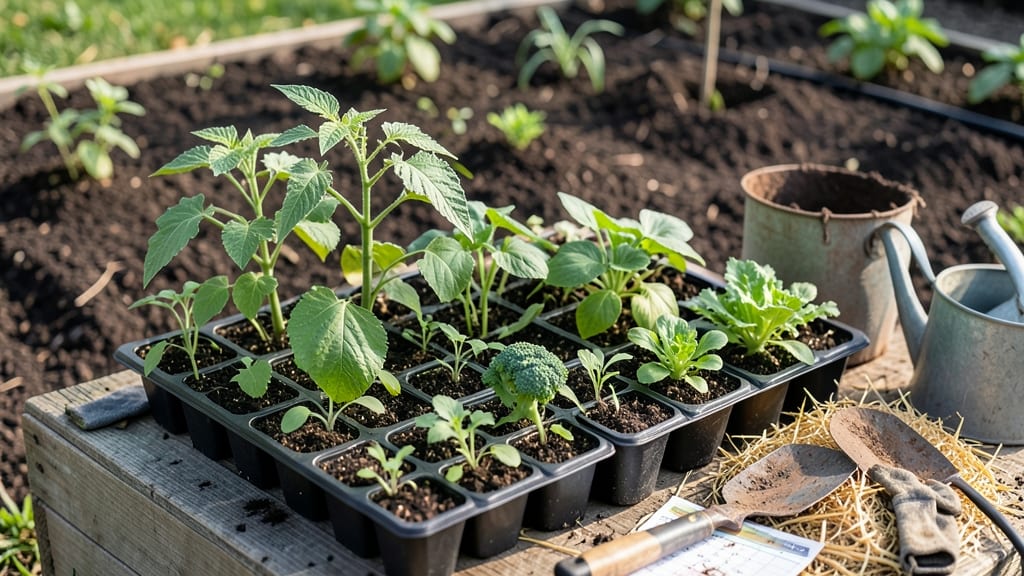
Virginia’s frost-free deadlines by planting Zone: when to start seeds indoors vs. direct sowing
Virginia’s USDA zones 7a-8a create a nuanced planting calendar where timing can mean the difference between a bountiful harvest and a failed crop. The last spring frost (typically March 15-April 15) and first fall frost (usually October 15-November 15) bookend your growing window.
But these dates shift dramatically from the cooler Shenandoah Valley (Zone 7a) to the warmer Hampton Roads (Zone 8a), so knowing your exact zone is critical.
For cool-season crops like broccoli and peas, you’ll start seeds indoors 6-8 weeks before your last frost—that’s mid-January to late February for most of Virginia.
Meanwhile, warm-season crops such as tomatoes and peppers need soil temperatures above 60°F (15°C) before transplanting, which typically aligns with mid-April to early May in most zones. Get this wrong, and your seedlings will bolt or wilt.
Here’s how to navigate Virginia’s planting zones with precision:
Pro tip: Use a soil thermometer to confirm warmth before planting warm-season crops. Peppers and eggplants, for example, won’t thrive in soil below 70°F (21°C), even if your calendar says it’s time. In Zone 7a, this might mean waiting until late May for these heat-lovers.
Direct sowing cool-season crops like lettuce and radishes can start as early as February in Zone 8a or March in Zone 7a, but always use row covers if nighttime temperatures dip below 40°F (4°C).
For warm-season crops, wait until after the last frost to sow beans and cucumbers directly into the garden—early April in the south, mid-May in the north.
Microclimates matter too! Gardens in urban areas (like Arlington) may warm up 1-2 weeks earlier than rural spots due to the urban heat island effect. Conversely, elevated areas (like the Blue Ridge Mountains) can experience frost 2 weeks later than valley floors. Adjust your timeline accordingly.
For a foolproof approach, use the "10-day rule": If your last frost date is April 15, start seeds indoors by March 25 to ensure transplants are ready by the deadline. And always harden off seedlings for 7-10 days before transplanting to avoid shock.
Remember: Succession planting is your secret weapon. In Virginia’s short growing season, you can squeeze in 2-3 harvests of lettuce or continuous basil by sowing every 2 weeks after your first planting. Plan accordingly!
🌱
Best vegetables to plant in Virginia by season: a month-by-month survival guide
Virginia’s gardening seasons aren’t one-size-fits-all—what thrives in Zone 7a (like Richmond) may flounder in Zone 8a (like Norfolk). My month-by-month guide breaks down cool-season champions (like kale and peas) and heat-loving stars (like okra and sweet potatoes) so you never miss a planting window.
Start with February for cold-hardy greens like spinach and lettuce—these can handle light frosts down to 20°F. By March, add broccoli and carrots, but wait until soil warms to 50°F to avoid stunted growth.
Pro tip: Use row covers to extend early spring planting by 2–3 weeks.
Here’s your critical timeline for Virginia’s top vegetables, organized by month to maximize yields:
- Peas and spinach: Direct sow after last frost risk passes (use cloches if frost lingers).
- Onions and leeks: Start seeds indoors for transplanting in April.
- Potatoes: Chit sprouts indoors in late March for early harvests.
- Tomatoes, peppers, and eggplants: Wait until soil hits 60°F+ (usually mid-May in most zones).
- Cucumbers and squash: Sow after last frost date (check your zone’s average April 15–May 1 window).
- Green beans: Plant 2 weeks after last frost for best germination.
- Sweet corn and okra: Plant in blocks for cross-pollination (e.g., 6 rows × 30 ft).
- Southern peas: Direct sow after June 15 in Zone 8a; earlier in Zone 7a.
- Succession plant bush beans every 2 weeks until July 15.
- Winter squash and pumpkins: Sow late July–early August for fall harvests before frost.
- Garlic: Plant cloves in October for next year’s harvest (but start broccoli raab in late August for a fall crop).
- Cover crops like clover or rye: Sow in September to protect soil over winter.
Don’t overlook succession planting—this is how I double my bush bean and lettuce yields. For example, sow lettuce every 2 weeks from March to August to avoid bolting (going to seed) in summer heat.
And for tomatoes, if your first planting flops in May, try a heat-tolerant variety like ‘Celebrity’ or ‘Solar Fire’ in late June.
Remember: Virginia’s coastal plains (Zone 8a) can handle tropical crops like eggplants and peppers year-round, while mountain regions (Zone 7a) need to rush warm-season plants into the ground by June 1. Always check your local extension office for 2024 frost data—last year’s averages might not apply this year!
With this schedule, you’ll enjoy fresh harvests from spring peas to fall squash, no gaps in between. Happy planting!