
Plants
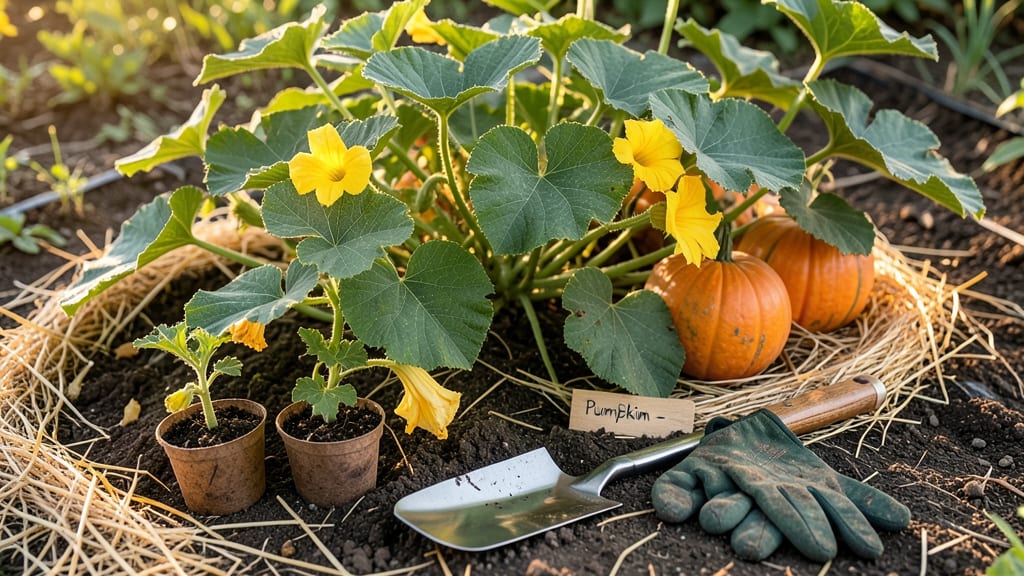
Timing your pumpkin planting in Indiana could mean the difference between a vibrant harvest of 🎃 and a season of disappointment. With Indiana’s Zone 5b-6a climate, planting too early risks frost damage, while waiting too long cuts your growing window short.
Most gardeners in Indiana plant pumpkins between mid-April and mid-May, once soil temperatures reach a steady 60°F. But knowing your exact last frost date—and how to adjust for Indiana’s unpredictable spring—is the key to success.
In this guide, I’ll break down the best planting windows for your region, recommend the most reliable pumpkin varieties for Indiana’s short season, and share pro tips for beating frost and extending your harvest.
Whether you’re a first-time grower or a seasoned gardener, these strategies will help you grow healthier pumpkins with bigger yields—no matter where in Indiana you’re planting.
Indiana pumpkin planting dates by last frost date (Zone 5-6B guide)
Indiana’s Zone 5-6B climate gives you a tight window—just 165 frost-free days—to grow pumpkins successfully. Planting too early risks frost damage, while waiting too long may leave your vines struggling to mature before fall. The key is knowing your last frost date and soil temperature requirements.
Most of Indiana experiences its average last frost between April 15-30, but Northern Indiana (Zone 5b) can see frost as late as May 10. Southern Indiana (Zone 6a) typically warms up faster, allowing earlier planting. Always check your local USDA frost calendar for precision.
Pumpkin seeds need soil temperatures of 60°F or warmer to germinate properly. In Indiana, this usually aligns with mid-to-late April for Southern regions and early May for Northern areas. Use a soil thermometer to confirm—cold soil delays germination and weakens seedlings.
For Northern Indiana (Zone 5b), aim to plant pumpkin seeds between May 1-15. This gives your vines enough time to develop before the first frost, which typically arrives around October 10-20. If you’re eager to start earlier, consider using row covers or a greenhouse to protect seedlings.
In Southern Indiana (Zone 6a), you can plant as early as April 15-30, provided soil temperatures are consistent. This earlier start maximizes your 180+ frost-free days, allowing time for larger varieties like ‘Howden’ or ‘Cinderella’ to fully mature.
| Zone | Last Frost Date | Planting Window | Soil Temp | First Frost |
|---|---|---|---|---|
| Zone 5b (Northern IN) | May 10 (avg) | May 1-15 | 60°F+ | Oct 10-20 |
| Zone 6a (Southern IN) | April 15-30 (avg) | April 15-May 1 | 60°F+ | Oct 20-31 |
🌱 Note: Use a soil thermometer to confirm readiness—cold soil delays germination.
If you’re growing smaller varieties like ‘Jack Be Little’ (55-65 days to maturity), you can push the envelope slightly. These compact pumpkins tolerate cooler soils better and can be planted as early as April 1 in Southern Indiana or late April in Northern areas.
For large pumpkins (e.g., ‘Atlantic Giant’), stick to the May 1-15 window in Northern Indiana. These varieties need 100+ days to mature, leaving little room for error. Plant seeds 1 inch deep in hills spaced 4-6 feet apart to give vines room to sprawl.
Pro tip: Mark your calendar for June 15 as a cutoff for starting new pumpkin plants. After this date, seedlings may not have enough time to mature before frost. If you miss this window, opt for fast-maturing varieties or extend your season with row covers.
Remember, Indiana’s weather is unpredictable. Even if you plant on time, a late frost or early heatwave can disrupt growth. Always have a backup plan, like row covers or a greenhouse, to protect young seedlings from unexpected chills.
Finally, don’t forget to test your soil pH (ideal range: 6.0-6.8compost before planting. Healthy soil = healthier pumpkins! 🎃
How to adjust pumpkin planting for Indiana’s unpredictable weather patterns
Indiana’s weather can be as unpredictable as a summer thunderstorm—one day warm and sunny, the next with a surprise frost. If you’ve ever planted pumpkins only to watch them wilt under unexpected cold, you know how frustrating this can be.
The key to success? Flexibility and season-extending strategies that protect your vines from Mother Nature’s whims.
First, always check your local last frost date, which typically falls between April 15-30 in most of Indiana. But don’t rely solely on averages—use a frost calendar or plant heat-loving varieties like ‘Jack Be Little’ (55 days to maturity) if you’re in doubt.
These early maturers give you a safety net against late frosts.
For extra protection, consider using row covers or black plastic mulch to warm the soil faster in spring. Even a simple cloche over young seedlings can buy you critical weeks.
My garden’s ‘Small Sugar’ pumpkins thrived last year because I used row covers until the soil stayed consistently above 60°F.
⚠️ Watch for False Springs!
Indiana’s false springs can trick you into planting too early. If nighttime temps dip below 50°F after your seeds sprout, cover them immediately or delay planting by 2-3 weeks. A late frost in May can devastate unprotected seedlings.
If you’re in Northern Indiana (Zone 5b), opt for early-maturing varieties like ‘Howden’ (80 days) or ‘Cinderella’ (90 days). These give you a better chance of harvesting before the first frost, usually around October 10-20.
In Southern Indiana (Zone 6a), you have a bit more leeway—try ‘Autumn Gold’ (95 days) for a later harvest.
For those who love giant pumpkins, like ‘Atlantic Giant,’ you’ll need to start seeds indoors 4-6 weeks before the last frost and transplant carefully. These monsters need 120+ days to mature, so only attempt them if you’re prepared to extend your season with row covers or a greenhouse.
Finally, monitor your pumpkins’ vine health closely. Yellowing leaves or stunted growth often signal stress from temperature swings or poor soil conditions. Mulch heavily with straw to insulate roots and keep moisture levels steady. With these adjustments, you’ll turn Indiana’s tricky weather into an advantage—not a roadblock.