
Plants
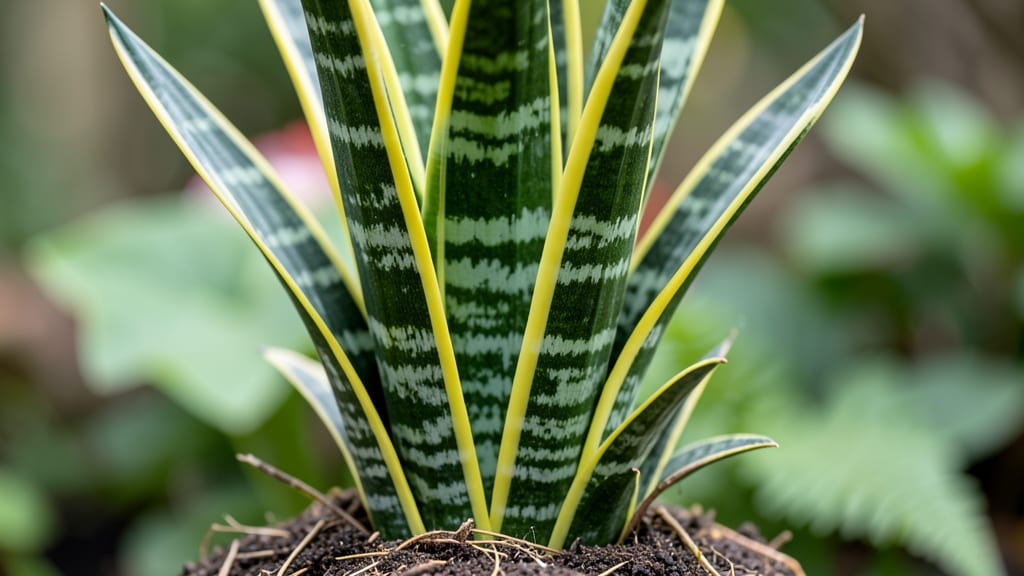
Wondering how tall will a snake plant grow in your home? The answer depends more on the variety you choose than you might think—some stay as short as 1 foot, while others can reach nearly 4 feet with the right care.
This iconic 🌿 plant isn’t just a low-maintenance favorite; it’s a living statement piece that adapts to your space (and your green thumb level).
If you’re eyeing a ‘Laurentii’ with its striking yellow edges, expect it to climb toward the ceiling over time, while the compact ‘Hahnii’ (also called "Bird’s Nest") stays neatly under 2 feet. The key?
Light, pot size, and how often you repot it—all factors that can nudge your plant toward its full potential or keep it on the shorter side. Let’s break down what influences your snake plant’s height and how to steer it in the direction you want.
Most gardeners assume these plants grow tall because they’re neglected, but the truth is far more interesting. Snake plants actually thrive on being ignored—just don’t let them get root-bound or cramped in a tiny pot.
With the right balance of sunlight (bright but indirect) and occasional pruning, you can shape its growth to fit your decor, whether you prefer a floor-filling statement or a sleek countertop buddy.
Ready to turn your snake plant into the perfect size for your space? I’ll walk you through the care secrets that make the difference between a leggy giant and a perfectly proportioned 🌿—plus how to troubleshoot if yours starts stretching toward the sky faster than expected. Let’s get growing!

Snake plant height ranges by variety: from compact to towering
Snake plants (Sansevieria) are famous for their striking foliage and adaptability, but their mature height can vary dramatically depending on the variety and care conditions. Some stay compact like a bushy shrub, while others grow tall enough to reach your ceiling—sometimes even taller!
Understanding these differences helps you choose the right plant for your space and care style.
The most common varieties—like the classic 'Laurentii'—typically reach 2 to 4 feet tall indoors, but some newer hybrids can stretch beyond 5 feet with ideal conditions. Compact varieties, such as 'Hahnii' (also called "bird's nest"), stay under 2 feet tall, making them perfect for small spaces or shelves.
Let’s break down the height ranges for popular varieties so you can plan your garden layout accordingly.
| Variety | Mature Height (Indoors) | Growth Habit | Ideal Spacing (Containers) |
|---|---|---|---|
| 'Laurentii' | 2–4 ft | Upright, clumping | 12–18 inches apart |
| 'Futura Superba' | 3–5 ft | Tall, slender leaves | 18–24 inches apart |
| 'Hahnii' | 1–2 ft | Compact, rosette | 6–12 inches apart |
| 'Moonshine' | 2–3 ft | Bushy, variegated | 10–14 inches apart |
| 'Black Gold' | 2–4 ft | Dark, upright | 12–18 inches apart |
If you’re growing snake plants outdoors in USDA Zone 9 or warmer, expect even taller growth—some varieties can reach 6 feet or more in ideal conditions. The key factors influencing height are light exposure, pot size, and genetics.
For example, 'Futura Superba' thrives in bright light and can shoot up quickly, while 'Hahnii' stays low-light tolerant and compact.
When planning your garden or indoor setup, consider the mature height of each variety to avoid overcrowding. For instance, placing a 4-foot-tall 'Laurentii' next to a 2-foot 'Hahnii' creates visual balance. If ceiling height is a concern, opt for dwarf varieties or prune taller types to maintain a manageable size.
Always leave room for leaf spread, as snake plants can also widen as they mature.
Another factor to watch is container size. Root-bound plants in small pots will grow taller and leggier as they stretch toward light. Upgrading to a larger pot every 2–3 years encourages bushier, more compact growth.
For example, a 'Laurentii' in a 10-inch pot will stay shorter than one crammed into a 6-inch pot. Use well-draining soil and a pot with drainage holes to prevent root rot, which can stunt growth or cause unexpected height spikes.
Light plays a crucial role in height regulation. Snake plants grown in low-light conditions tend to stretch and become leggy, while those in bright, indirect light grow fuller and more upright. Place your plant near an east or north-facing window for balanced growth.
If you notice your snake plant developing long, thin leaves with wide gaps between nodes, it’s a sign of etiolation (light deprivation), and you’ll need to move it closer to a brighter spot or supplement with a grow light.
For those with limited vertical space, consider pruning taller varieties to keep them in check. You can trim leaves at the base or propagate cuttings to create new plants. This not only controls height but also encourages denser foliage.
Just be sure to use clean, sharp scissors to avoid damaging the plant. If you’re unsure how to prune, start with removing just the top 2–3 inches of a leaf and place it in water to root—it’s a great way to multiply your collection!
In summary, snake plant height varies widely by variety, light conditions, and container size. By choosing the right type for your space and providing consistent care, you can enjoy a plant that fits your aesthetic—whether you prefer a towering statement piece or a compact desk companion.
Next, we’ll explore how to control height through pruning, repotting, and light adjustments to keep your snake plant thriving at your desired size.
How to control snake plant height: pruning, repotting, and light tips
If your snake plant is reaching for the ceiling faster than expected, don’t panic—height control is all about light management, pruning techniques, and repotting strategies. With the right approach, you can keep your plant at your desired height while ensuring it stays healthy and vibrant.
The key is understanding how these factors influence vertical growth.
Start with light exposure, the biggest driver of height. Snake plants grow taller when they’re starved for light, stretching toward windows or grow lights. If your plant is leggy and tall, it’s likely craving more brightness.
Move it closer to an east-facing window or supplement with a 12-inch LED grow light for 6-8 hours daily. This encourages bushier, compact growth.
Next, pruning is your secret weapon for controlling height. Use sterilized pruning shears to trim the tallest leaves at the base, just above a leaf node. This not only reduces height but also stimulates new growth from the cut point.
For dwarf varieties like Sansevieria 'Hahnii', prune aggressively every 6-12 months to maintain their 1-2 foot stature.
⚠️ Avoid These Pruning Mistakes
Cutting too close to the base can damage the plant’s growth point. Always leave at least 1 inch of stem above the node. Over-pruning weakens the plant—never remove more than 30% of the foliage at once.
Repotting is another critical factor. Root-bound plants grow taller as they search for nutrients in cramped pots. If your snake plant’s roots are circling the bottom, upgrade to a pot just 1-2 inches wider than its current container.
Use a well-draining mix with perlite or orchid bark to prevent compaction, which can stunt growth. Repot every 2-3 years or when roots emerge from drainage holes.
For tall varieties like Sansevieria 'Futura Superba', which can hit 4 feet, consider staking or using a trellis to guide growth vertically without sacrificing stability.
Tie the leaves gently with soft plant ties to prevent damage. This method works best for indoor snake plants in low-light conditions where natural bushiness is limited.
Finally, fertilizer timing plays a subtle role. Over-fertilizing in early spring can spur rapid, leggy growth. Stick to a balanced 10-10-10 fertilizer diluted to half-strength every 4-6 weeks during the growing season (spring and summer).
In fall and winter, skip fertilizing entirely to encourage a resting period that promotes compact growth.