
How To
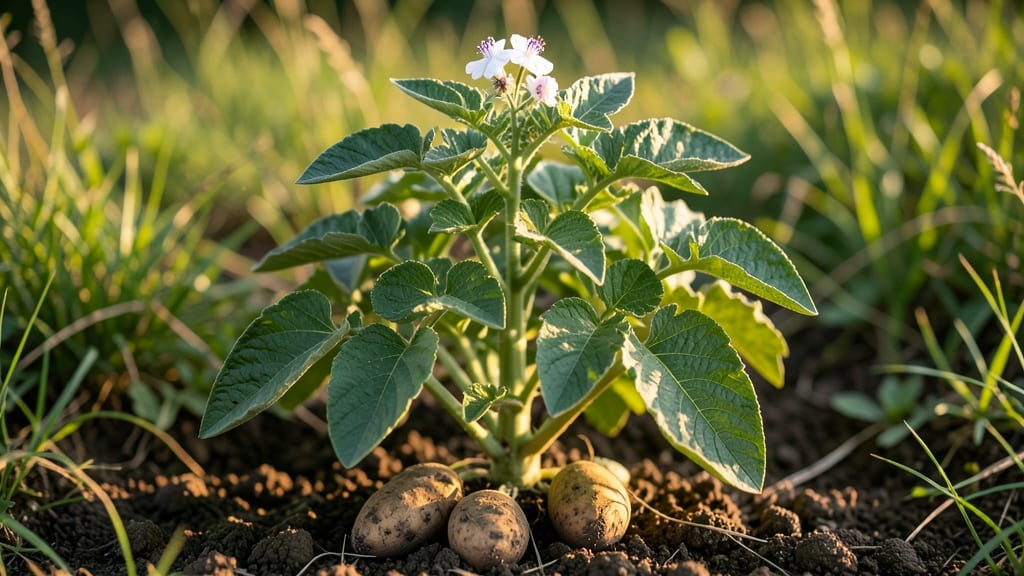
If you’ve ever glanced at your potato patch and wondered, "How tall does a potato plant grow?", you’re not alone. Those lush, vine-like plants can stretch from just a foot high to towering over your head—depending on the variety and how you care for them.
Most potato plants (like the classic 🥔 varieties) typically reach 12–36 inches, but some can climb to nearly 4 feet with the right conditions. The key? Variety matters—dwarf types stay compact, while others grow tall and bushy, needing support or pruning to keep them in check.
Sunlight, soil, and even your pruning habits play a huge role in how tall your potato plants grow. Too much shade or poor soil can stunt them, while over-pruning might encourage leggy growth. Let’s break down what affects their height—and how to manage it for a bountiful harvest.
Whether you’re growing potatoes in containers or a garden bed, understanding these factors will help you control their size and maximize your yield. Ready to learn how? Let’s dig in!

Potato plant height by variety: from compact to towering vines
Potato plants come in a surprising range of heights, from dwarf varieties that stay under 12 inches to tall-growing types that reach nearly 4 feet. The height you’ll see depends entirely on the variety you choose—whether you’re growing early-season, mid-season, or late-season potatoes.
For example, container-friendly varieties like 'Yukon Gold' or 'Red Pontiac' typically stay between 18–24 inches, making them perfect for small spaces. Meanwhile, bushy varieties like 'Purple Majesty' or 'German Butterball' can stretch 30–36 inches or taller, especially with ample sunlight and nutrients.
If you’re working with limited space, dwarf potato varieties like 'Rocket' or 'Adirondack Blue' are ideal—they rarely exceed 12–18 inches and thrive in pots or raised beds. These compact types are also great for urban gardeners or those with balcony gardens.
On the opposite end, tall-growing varieties like 'Kennebec' or 'Russet' can reach 3–4 feet if left unchecked. These need sturdy supports or hilling to prevent them from toppling over, especially in windy conditions.
🌱 Potato Plant Height by Variety
| Variety | Height Range | Best For | Notes |
|---|---|---|---|
| Rocket | 8–12 inches | Containers, small spaces | Early season, compact |
| Yukon Gold | 18–24 inches | Garden beds, pots | Buttery texture, mid-season |
| Purple Majesty | 30–36 inches | Full sun, large gardens | Tall, purple-skinned |
| Kennebec | 24–36 inches | Storage, baking | Late-season, sturdy stems |
| Adirondack Blue | 12–18 inches | Containers, organic gardens | Blue skin, early season |
Choosing the right variety isn’t just about height—it’s also about growth habits. Some potatoes, like 'Red LaSoda,' grow in bushy mounds, while others, like 'Chieftain,' send out long, trailing vines. If you’re growing in containers, opt for determinate varieties (those with compact growth) to avoid overcrowding.
For large gardens, taller varieties can be stunning when allowed to grow freely, especially if you use trellises or cages to support their weight. Just remember: the taller the plant, the more water and nutrients it’ll need to stay healthy and productive.
If you’re unsure which variety to pick, start with medium-height types like 'German Butterball' or 'Katahdin'—they’re versatile, disease-resistant, and strike a balance between manageable size and high yields. And don’t forget: the height of your potato plants can also influence how you harvest and store them!
For instance, shallow-rooted varieties like 'Fingerlings' are easier to dig up than deep-rooted types like 'Russet Burbank.' Always check the variety description before planting to match your garden’s conditions and your space constraints.
🌱
Factors that determine how tall potato plants grow
Potato plant height isn’t just about the variety—it’s heavily influenced by your growing conditions. Sunlight exposure is the #1 factor: plants in full sun (6+ hours daily) grow taller and bushier, while those in partial shade may stay stunted.
For example, Purple Majesty potatoes thrive in sun but can reach 4 feet if given optimal light.
Soil quality also plays a critical role. Well-draining, nutrient-rich soil encourages vigorous growth, while compacted or poor soil can limit height. I’ve seen Yukon Gold varieties grow 25% taller in amended soil compared to clay-heavy ground. Test your soil’s pH (aim for 5.0–6.5) and add compost to boost growth.
Key Takeaway
Sunlight + Soil = Height Control: Full sun + rich soil = taller vines, but pruning can redirect energy to tuber production instead of foliage growth.
Watering practices directly impact height too. Overwatering can lead to leggy, weak growth, while underwatering stunts plants. Aim for 1–1.5 inches of water weekly, especially during flowering. I once saw Red Pontiac plants grow 18 inches taller when watered consistently versus sporadically.
Your pruning habits also shape height. Regular pruning (removing suckers) keeps plants compact and bushy, while neglect can result in tall, sprawling vines. For container growers, pruning is essential—Fingerling varieties like LaRouge stay under 12 inches with proper trimming.
Climate zones matter too. In warmer zones (8+), potatoes may grow faster and taller, while cooler climates slow growth. I’ve noticed Russet potatoes in Zone 5 reach 30 inches, but in Zone 9, they max out at 24 inches due to heat stress.
To troubleshoot stunted growth, check for pests (colorado potato beetles), disease (blight), or nutrient deficiencies (yellow leaves = nitrogen). Overly tall plants? Try trellising or pruning to focus energy on tubers—not vines!
Remember: Height ≠ Yield. Some of the shortest varieties (like Adirondack Blue) produce heavy harvests despite staying under 18 inches. Focus on soil, water, and pruning to balance growth and harvest success.