
Plants
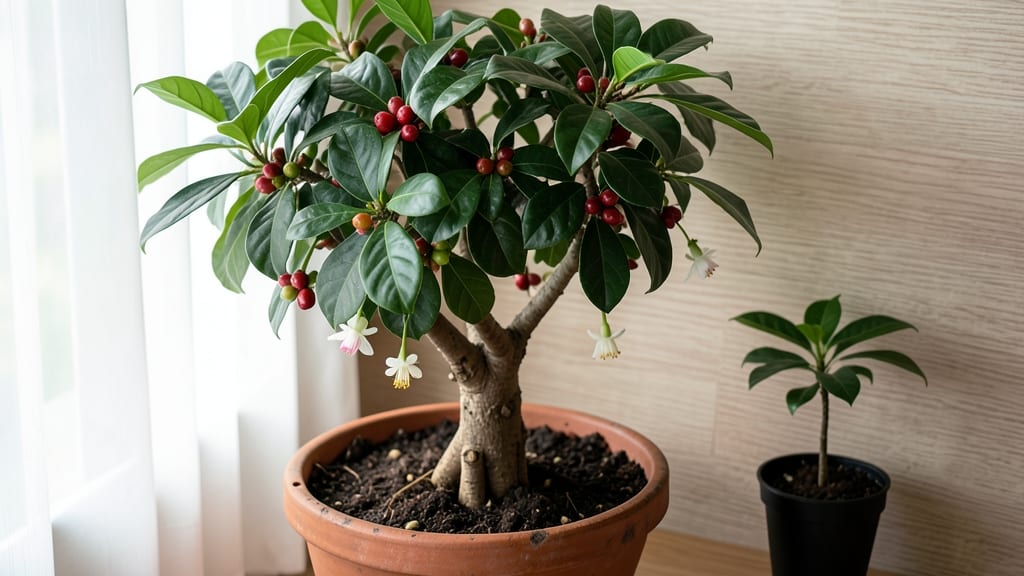
If you're wondering "how tall does a coffee plant grow", the answer might surprise you—especially if you're picturing a tiny ☕ houseplant. Some varieties stretch taller than a basketball hoop, while others stay manageable for containers, making the difference between a backyard jungle and a cozy kitchen companion.
Coffee plants thrive in General (Tropical/Subtropical Regions), where they can reach heights of 10-30 feet in ideal conditions. But don’t let that intimidate you—with the right variety and care, you can keep your coffee plant at a more manageable size, even indoors.
The key lies in understanding your plant’s growth habits and how to guide them.
Whether you're dreaming of a year-round harvest or just want a low-maintenance ☕ addition to your space, this guide breaks down everything you need to know. We’ll explore how different varieties grow, how to control their height, and even whether you can successfully grow coffee plants indoors—no green thumb required.
Ready to turn your coffee obsession into a thriving plant? Let’s dive into the world of coffee plant heights and discover how to cultivate the perfect size for your space.

Coffee plant height by variety: from dwarf to giant species
Coffee plants come in a surprising range of heights, from towering commercial trees reaching 30 feet to compact home-garden varieties that stay under 6 feet. The difference? Variety and growing conditions.
Most Arabica coffee plants, prized for their flavor, typically grow 10-15 feet tall, while Robusta varieties can reach 20-30 feet in ideal tropical climates. Even in your backyard, these plants will outgrow most ornamental shrubs—unless you choose a specialty variety or use pruning techniques.
For home gardeners in zones 10-12, the biggest challenge isn’t just height but also managing growth in containers or small spaces. Without proper care, even dwarf varieties can become leggy or overgrown. The key is selecting the right variety for your space and understanding how quickly they grow.
For example, a 3-year-old Arabica plant might only reach 6 feet, but left unpruned, it could double in height by year 5.
Here’s how the most common varieties compare—and how to choose the right one for your garden:
| Variety | Mature Height | Growth Rate | Best For |
|---|---|---|---|
| Arabica (e.g., Typica, Bourbon) | 10–15 ft | 1–2 ft/year | Backyard gardens, containers (pruned) |
| Robusta (e.g., Conilon) | 20–30 ft | 2–3 ft/year | Large properties, tropical climates |
| Dwarf Arabica (e.g., 'Nana' varieties) | 4–6 ft | 6–12 in/year | Containers, patios, indoor growing |
| Liberica (e.g., F1 Hybrid) | 15–25 ft | 1.5–2.5 ft/year | Warm climates, large gardens |
If you’re growing coffee in containers or small spaces, focus on dwarf Arabica varieties like 'Nana' or 'Pygmy Bourbon'. These stay under 6 feet and produce cherries in 2–3 years, making them perfect for balcony gardens or greenhouses.
Even these compact varieties need regular pruning to maintain shape and encourage fruit production.
For outdoor gardens, standard Arabica and Robusta varieties thrive but require ample space and support. A 10-foot-tall plant needs at least 8 feet of clearance for branches and fruit.
In tropical climates like Hawaii or Florida, these plants can grow uncontrolled without pruning, reaching heights that rival palm trees.
One common misconception is that coffee plants grow slowly. In reality, they can add 1–3 feet per year under ideal conditions—full sun, acidic soil, and consistent moisture. Without these, growth stalls, and the plant may never reach its full height potential.
For example, a Robusta plant in partial shade might only grow 6 inches per year compared to 3 feet in full sun.
Soil quality plays a huge role in height control. Coffee plants thrive in well-draining, acidic soil (pH 6.0–6.5). Poor soil leads to stunted growth or leggy stems, while rich, organic soil encourages stronger, more compact growth.
Amending your soil with compost or peat moss can help keep plants shorter and bushier, especially in container gardens.
Pruning isn’t just for height control—it also boosts fruit production. By removing overgrown branches and shaping the plant, you encourage new growth at the base, which produces more coffee cherries.
For container-grown plants, prune 2–3 times per year to keep them under 5 feet and prevent them from becoming top-heavy.
If you’re in a cooler climate (zones 9–1
Coffee plant height by variety: from dwarf to giant species
Coffee plants are diverse in size, ranging from compact varieties perfect for containers to towering trees in tropical plantations. The height of your coffee plant depends on its species and growing conditions.
Most commercial coffee plants, like Arabica and Robusta, grow between 10 to 30 feet tall when mature, while specialty varieties can be pruned to stay smaller. Understanding these differences helps you choose the right plant for your space.
If you're growing coffee outdoors in warm climates, expect rapid vertical growth without intervention. For example, a Robusta coffee plant can reach 20 feet in 5-7 years if left unpruned, while Arabica varieties typically max out around 15 feet.
Even in ideal conditions, these plants need space—imagine a 10-foot-tall coffee tree dominating your backyard!
| Variety | Mature Height | Growth Rate (Annual) | Best For |
|---|---|---|---|
| Arabica (e.g., Bourbon, Typica) | 10–15 ft | 1–3 ft/year | Backyards, small farms |
| Robusta (e.g., Congo, Uganda) | 15–25 ft | 2–4 ft/year | Commercial plantations |
| Dwarf Varieties (e.g., 'Nana' types) | 3–6 ft | 6–12 in/year | Containers, patios |
| Liberica (e.g., F1 Hybrid) | 20–30 ft | 3–5 ft/year | Tropical gardens |
For home gardeners in cooler climates, dwarf varieties like 'Nana' coffee plants are game-changers. These stay under 6 feet tall and thrive in large containers, making them perfect for balconies or greenhouses.
Even these smaller varieties need full sun and consistent moisture to reach their potential height, though. Without proper care, they might grow leggy or stunted.
Climate plays a huge role in height control. In tropical regions like Hawaii or Puerto Rico, coffee plants grow unrestrained due to year-round warmth. In USDA Zones 10-12, you can expect faster vertical growth compared to cooler microclimates where plants may stay shorter.
For example, a Robusta plant in Florida could hit 20 feet in 5 years, while the same variety in southern California might only reach 12 feet due to cooler winters.
Pruning is your best tool for height management. Regular trimming encourages bushier growth and prevents your coffee plant from becoming a 20-foot monster. I recommend pruning new growth in spring and shaping in late summer to maintain your desired height.
Even dwarf varieties benefit from pruning to keep them compact and productive. Just avoid heavy pruning in winter, as the plant needs energy to recover.
If you're growing coffee indoors, height becomes even more critical. Without enough light, your plant will stretch toward windows, becoming weak and leggy. To keep it under 5 feet tall, use grow lights and rotate the pot regularly.
Remember, slow growth is normal indoors—don’t rush it! With patience and the right care, even a small apartment coffee plant can yield cherries.