
Plants
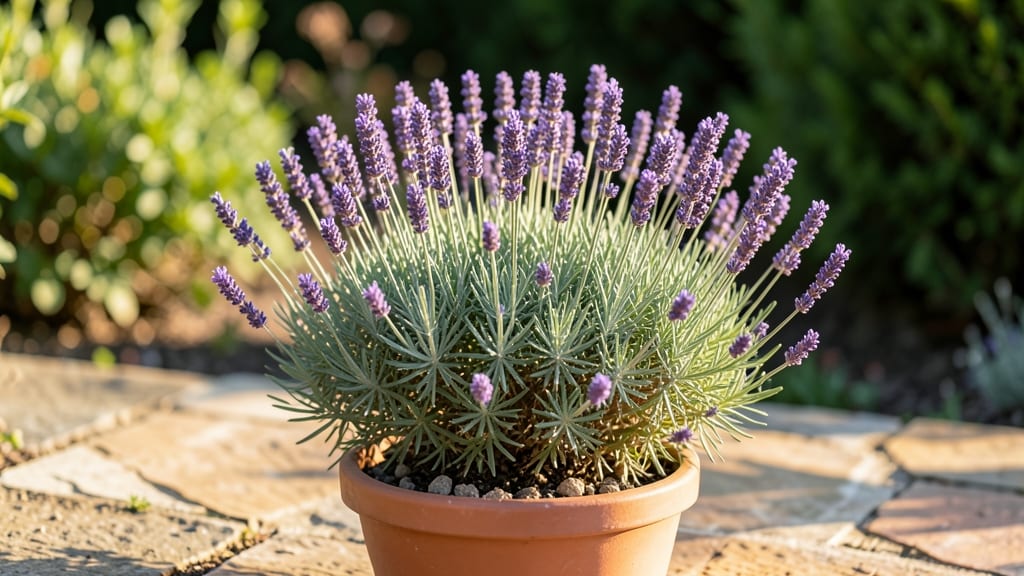
If you're planning your garden layout, knowing how tall does a lavender plant grow could mean the difference between a fragrant, well-organized space and one that feels cramped or overgrown.
This versatile herb isn't just about its soothing scent—its height varies dramatically depending on the variety, and choosing the right one can transform your outdoor space.
From tiny dwarf varieties that barely reach your knees to towering standard lavender plants standing taller than a kitchen counter, the possibilities are endless. Whether you're working with a cozy balcony or a sprawling backyard, understanding these differences helps you create a garden that's both beautiful and functional.
In this guide, I'll break down the height ranges for popular lavender types, share tips for managing growth through pruning, and recommend the best varieties for small spaces versus larger gardens. By the end, you'll know exactly which lavender will fit your vision—and how to keep it thriving.
Ready to design a garden where every plant has its perfect place? Let's dive into the details so you can make confident choices that bring your outdoor space to life.

Lavender plant height by variety: compact dwarf to towering giants
If you're planning your garden layout, knowing lavender plant height is crucial. This fragrant herb ranges from tiny dwarf varieties perfect for window boxes to tall shrubs that create stunning borders.
The right choice depends on your space and design goals—whether you want a low-maintenance ground cover or a fragrant privacy screen.
Lavender height varies by species and cultivar, but most fall between 1 to 4 feet at maturity. English lavender (Lavandula angustifolia), the most popular type, typically reaches 2 to 3 feet tall, making it versatile for gardens of all sizes.
Meanwhile, Spanish lavender (Lavandula stoechas) can stretch up to 4 feet, while dwarf varieties like 'Hidcote' stay under 18 inches.
Here’s how to visualize it: A standard lavender bush (like 'Munstead') grows about as tall as a standard kitchen countertop. Dwarf varieties, on the other hand, are perfect for container gardening or tucking into rock gardens. Choosing the right height ensures your lavender thrives without overcrowding other plants.
🌿
| Variety | Mature Height | Best For | Notes |
|---|---|---|---|
| English Lavender (Lavandula angustifolia) | 2–3 ft | Borders, hedges, containers | Classic fragrance, cold-hardy |
| French Lavender (Lavandula stoechas) | 3–4 ft | Back of borders, focal points | Unique "rabbit ear" blooms |
| Spanish Lavender (Lavandula dentata) | 3–5 ft | Privacy screens, large gardens | Drought-tolerant, fast-growing |
| Dwarf Varieties (e.g., 'Hidcote', 'Little Lady') | 12–18 in | Window boxes, rock gardens | Compact, ideal for small spaces |
| Grosso Lavender (Lavandula x intermedia) | 3–4 ft | Cut flowers, hedges | Long blooming season |
For example, if you're growing 'Munstead' English lavender, expect it to reach 2.5 feet tall and 2 feet wide at maturity. This makes it perfect for hedge rows or as a fragrant border alongside pathways.
On the other hand, 'Hidcote' dwarf lavender stays under 18 inches, making it ideal for container gardening on patios or balconies.
When selecting lavender, consider not just height but also spread. Some varieties, like 'Provence' lavender, can spread up to 3 feet wide, while others remain more compact. This ensures your garden stays visually balanced and prevents overcrowding.
If you're new to lavender, start with English or dwarf varieties—they’re the easiest to grow and adapt well to containers or small gardens. For larger spaces, French or Spanish lavender adds drama with their taller stature and bold blooms.
Always check the plant tag for specific height expectations, as some nurseries may carry unique hybrids.
Pro tip: If you love the scent and color of lavender but lack space, mix dwarf and standard varieties in the same container. For instance, plant 'Hidcote' in the front and 'Munstead' in the back to create a layered, fragrant display.
Finally, remember that pruning habits can influence height over time. Regular pruning keeps lavender compact and bushier, while neglect can lead to leggy growth. We’ll cover pruning tips in the next section to help you maintain your lavender at the perfect height for your garden.
🌷
Factors that control lavender height: sunlight, pruning, and soil secrets
Lavender height isn’t just about the variety you choose—it’s heavily influenced by sunlight exposure, pruning techniques, and even your soil conditions.
Too little sun or improper care can turn a compact English lavender into a leggy, overgrown mess, while the right conditions can keep even tall varieties in check.
For starters, lavender craves full sun—think 6+ hours daily. Without it, stems stretch toward light, creating a woody, weak structure that grows taller than expected.
In my own garden, I’ve seen French lavender reach 3 feet in partial shade, while the same variety stays at 2 feet in full sun.
Now, let’s talk pruning—the secret weapon for controlling height. Pruning after flowering (late summer) encourages bushier, more compact growth. I always use clean, sharp shears to trim back 1/3 of the plant’s height, focusing on leggy stems.
This keeps Spanish lavender at 2–3 feet instead of letting it bolt to 4 feet.
Don’t overlook soil drainage, either. Lavender hates soggy roots, which can stunt growth or encourage fungal diseases that weaken stems. Amending clay soil with gravel or sand keeps roots healthy and promotes compact, upright growth.
In my raised beds, I mix in perlite to ensure drainage—it’s made all the difference for my Grosso lavender, keeping it at 2.5 feet instead of sprawling.
Even watering habits play a role. While lavender is drought-tolerant, overwatering can lead to soft, floppy stems that struggle to stand tall. I water mine deeply but infrequently—about once every 10–14 days in summer—letting the soil dry completely between waterings. This encourages stronger, sturdier growth and prevents height-related issues.
Finally, fertilizer choices matter. Too much nitrogen (like lawn fertilizer) promotes leafy, leggy growth at the expense of flowers. Instead, use a low-nitrogen, balanced fertilizer (like 5-10-10) in early spring to support controlled, healthy growth.
I’ve seen Hidcote lavender stay at 18 inches with this approach, while neighbors using high-nitrogen fertilizer swear theirs reach 3 feet!
With the right balance of sun, pruning, soil, and water, you can keep your lavender at your desired height—whether you want a neat 1-foot hedge or a towering 4-foot border. Experiment with these factors, and you’ll find the perfect height for your space. 🌿