
Plants
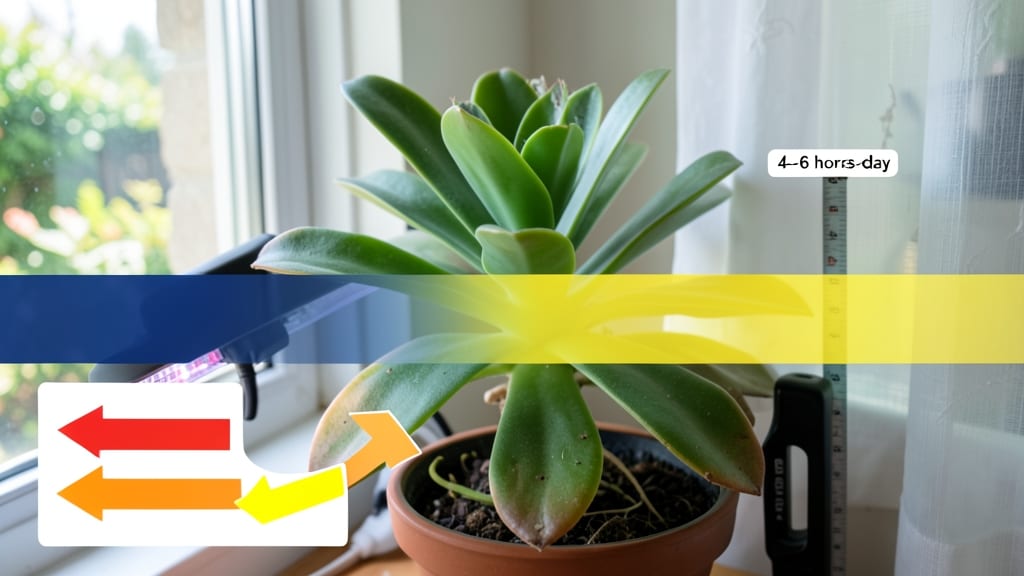
If your Kalanchoe 🌸 plant looks sadder than a rainy-day cat, you’re probably not giving it the right amount of light it needs—and that’s the easiest fix.
This succulent thrives when basking in bright conditions, but too much sun can turn its leaves crispy faster than toast in a toaster. The key? Finding that sweet spot where it gets enough light to stay perky but not so much it gets sunburned.
Most Kalanchoes need 6+ hours of direct sunlight daily, whether that’s from a south-facing window or a sunny spot outdoors. But here’s the catch: indoor light can be tricky.
Fluorescent bulbs won’t cut it—your plant might stretch out like it’s reaching for a hug, a sign it’s begging for more brightness. The good news? With a few simple adjustments, you can transform your leggy plant into a bushy, blooming beauty.
Whether you’re dealing with etiolation (those sad, stretched stems) or worried about scorched leaves, I’ll walk you through exactly how to tweak light exposure for your Kalanchoe’s happiness.
From rotating your plant for even growth to picking the perfect grow light, you’ll learn how to keep your succulent thriving year-round—no guesswork required.
Ready to give your Kalanchoe the light love it deserves? Let’s dive into the bright-side of care so you can enjoy those stunning blooms and lush leaves without the stress. Trust me, your plant will thank you with vibrant color and healthy growth!

Ideal light requirements for kalanchoe: bright sun vs. indirect light explained
Kalanchoe plants thrive in bright light conditions, making them perfect for sunny windowsills. These succulents need at least 6 hours of sunlight daily, but they can tolerate up to 10 hours if the light is gentle. Too little light causes etiolation—those sad, stretched stems reaching for the sky—while too much direct sun can scorch delicate leaves.
For indoor growers, a south-facing window is ideal because it provides the most consistent light. East or west windows work too, but you may need to rotate your plant every few days to ensure even exposure. Outdoor kalanchoes love partial shade during peak summer hours to prevent sunburn.
In winter months, natural light weakens, so supplement with a grow light if your plant starts looking pale or leggy. A full-spectrum LED bulb placed 6-12 inches above the plant mimics sunlight perfectly. Avoid fluorescent lights—they emit too little warmth for optimal growth.
Watch for leaf color changes as clues: Yellowing leaves signal underwatering or too much light, while red or purple tinges mean your kalanchoe is craving more sun. Adjust placement gradually—sudden changes shock the plant.
Here’s a quick light requirement summary to keep your kalanchoe happy year-round:
| Light Condition | Daily Needs | Signs of Stress | Solution |
|---|---|---|---|
| Direct Sunlight | 6-8 hours (max 10) | Brown leaf tips, crispy edges | Move to indirect light; use sheer curtain |
| Bright Indirect Light | 6+ hours (no direct rays) | Pale leaves, leggy stems | Rotate plant weekly; add grow light |
| Low Light | <2 hours | Stunted growth, no flowers | Relocate to brighter spot; prune leggy stems |
| Winter Adjustment | Supplement with grow light | Dormant phase, slow growth | Reduce watering; avoid fertilizing |
Pro tip: Rotate your kalanchoe every 2-3 weeks to prevent uneven growth toward the light source. This simple habit keeps your plant compact and symmetrical, ensuring all leaves get equal exposure.
If you notice blooms fading, it’s a sign your plant needs more light—kalanchoes reward bright conditions with vibrant, long-lasting flowers.
For outdoor kalanchoes, transition them gradually to morning sun only in summer to avoid heat stress. Place them in a spot where they get gentle afternoon shade, like under a patio umbrella.
This mimics their natural habitat in Madagascar and Africa, where they thrive in bright but filtered light.
Remember, kalanchoes are drought-tolerant, but they’re not desert survivors—they need bright light, not scorching heat. A happy kalanchoe will reward you with plump leaves and cheerful blooms for years. Start with these light guidelines, and you’ll be well on your way to mastering kalanchoe care!
How to adjust light for kalanchoe: fixing common problems like leggy growth or burnt leaves
If your kalanchoe plant is stretching toward the light or developing crispy brown edges, it’s likely getting the wrong amount of sunlight exposure. Leggy growth (called etiolation) happens when your plant isn’t getting enough light, while burnt leaves signal too much direct sun.
The good news? Both issues are fixable with simple adjustments.
Start by rotating your kalanchoe plant quarter-turns every week. This ensures all sides get even exposure, preventing lopsided growth. If you notice yellowing leaves or drooping stems, move it to a brighter spot immediately—just avoid harsh midday sun, which can scorch delicate foliage.
For indoor growers, sheer curtains are your best friend. They diffuse intense sunlight while still allowing plenty of bright indirect light to reach your plant. If your home lacks natural light, consider investing in a LED grow light.
These mimic sunlight and can keep your kalanchoe thriving even in dim corners.
Another quick fix is to trim leggy stems back by one-third using clean, sharp pruning shears. This encourages bushier growth and redirects energy to healthier foliage.
Pinch off the top sets of leaves (small plantlets that form along the stem) and propagate them in water or soil to grow new plants!
If your kalanchoe is flowering poorly, it might need a 12-hour light period followed by 12 hours of darkness to trigger blooms. Place it in a spot where it gets consistent light, then move it to a dark closet overnight for 6-8 weeks before the desired bloom time.
For outdoor kalanchoes, acclimate them gradually to direct sunlight by moving them outside for 2-3 hours on mild days, then increasing exposure over 1-2 weeks. This prevents sunburn while helping them adapt to brighter conditions.
Remember: Kalanchoes are tough plants—they’ll bounce back quickly if you catch light issues early. Monitor their response and adjust as needed. With the right balance, your kalanchoe will reward you with vibrant blooms and compact, healthy growth all year round. 🌸