
How To
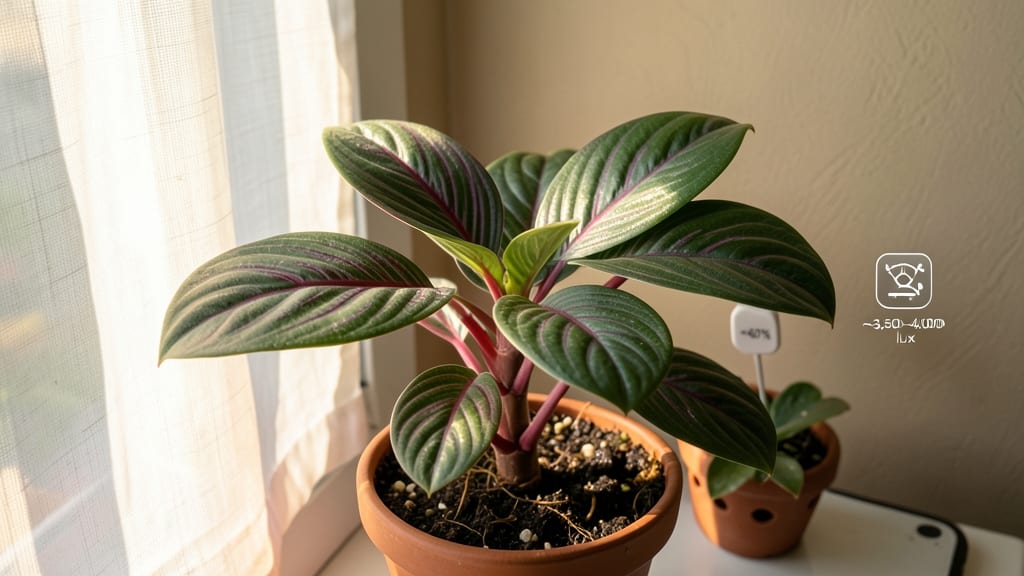
Ideal light requirements for prayer plant growth and leaf development
Your prayer plant (Maranta leuconeura) thrives in bright indirect light, mimicking its natural understory habitat. This means placing it near a window where it gets 4-6 hours of filtered sunlight daily, especially the gentle morning rays.
Too much direct sun causes leaf burn, while too little light leads to pale, stretched leaves and slow growth.
Think of it like a coffee lover’s shade preference—your prayer plant enjoys a sunny patio with afternoon shade or a north-facing window with sheer curtains. Avoid harsh afternoon sun, which can turn those stunning velvet leaves crispy at the edges.
The key is finding that golden middle ground where light is plentiful but never harsh.
🌿
| Light Condition | Ideal Duration | Signs of Correct Light |
|---|---|---|
| Bright Indirect Light | 4-6 hours daily | Deep green leaves, compact growth |
| Direct Sunlight | 0-1 hour (morning only) | Brown patches, crispy edges |
| Low Light | Less than 3 hours | Pale leaves, leggy stems |
Seasonal adjustments are crucial—your prayer plant may need more light in winter when natural light fades. Rotate the pot quarter-turns weekly to ensure even growth, as plants naturally lean toward light sources.
If you notice stretched stems, it’s a cry for more light, while dark spots signal too much direct sun.
For indoor gardeners, east-facing windows are ideal, offering gentle morning light without the harsh afternoon rays. If your space lacks natural light, LED grow lights (12-14 hours daily) can supplement, but avoid placing them too close—6-12 inches away mimics natural light conditions perfectly.
Pro tip: Test your light setup by observing the leaf variegation. If the patterns fade, your plant needs more light. If the leaves develop yellow or brown edges, it’s getting too much. Balance is everything—like tuning a well-oiled gardening machine!
🪴
Outdoor prayer plants in USDA Zone 6a can enjoy partial shade gardens with dappled sunlight. Use lattice or sheer fabric to filter harsh rays during peak summer hours. Remember, these tropical beauties originated in Brazilian forests, where they adapted to filtered canopy light—recreate that microclimate indoors or out.
If you’re still unsure, start with 3-4 hours of indirect light daily and gradually increase exposure. Your prayer plant’s foliage will tell the tale—vibrant, upright leaves mean you’ve nailed the light balance. Dim, droopy leaves? It’s time to adjust!
How to adjust light conditions for prayer plant health by room
Not all rooms in your home offer the same lighting conditions, and your prayer plant’s health depends on finding the right spot. East-facing windows provide the ideal bright indirect light, while south-facing windows can deliver too much harsh sunlight.
Let’s break down how to assess and adjust lighting by room to keep your plant thriving.
Start by observing your prayer plant’s current location. If the leaves are yellowing or crispy, it’s likely getting too much direct sun. Conversely, dark green, droopy leaves signal insufficient light. Use these clues to identify which rooms in your home align with your plant’s needs.
Here’s how to evaluate each room type and make adjustments:
| Room Type | Light Conditions | Adjustments Needed |
|---|---|---|
| East-Facing Window | Perfect bright indirect light (4-6 hours morning sun) | Ideal spot—no changes needed! |
| North-Facing Window | Low, soft light (may be too dim) | Supplement with a grow light 12-14 hours/day |
| South-Facing Window | Intense direct sunlight (risk of leaf burn) | Use sheer curtains or move 2-3 feet away |
| West-Facing Window | Strong afternoon sun (can scorch leaves) | Filter light with a light-colored curtain or rotate pot |
| Interior Rooms (No Windows) | Low light (may cause leggy growth) | Use a LED grow bulb 6-8 inches above plant |
If your prayer plant is in a south- or west-facing window, try rotating the pot quarter-turn weekly to ensure even light exposure. This prevents one side from getting too much sun while the other stays shaded.
For interior rooms, a grow light on a timer mimics natural daylight cycles.
Seasonal changes also impact lighting. During summer months, move your plant further from windows to avoid overheating. In winter, supplement with a grow light if natural light drops below 4 hours daily. Consistency is key—your prayer plant thrives on routine!
Pro tip: Place your plant near a bathroom window with steamy showers—humidity boosts growth! Just ensure it’s still getting bright indirect light. Monitor your plant’s response and adjust as needed—its leaves will tell you what they need.