
Plants
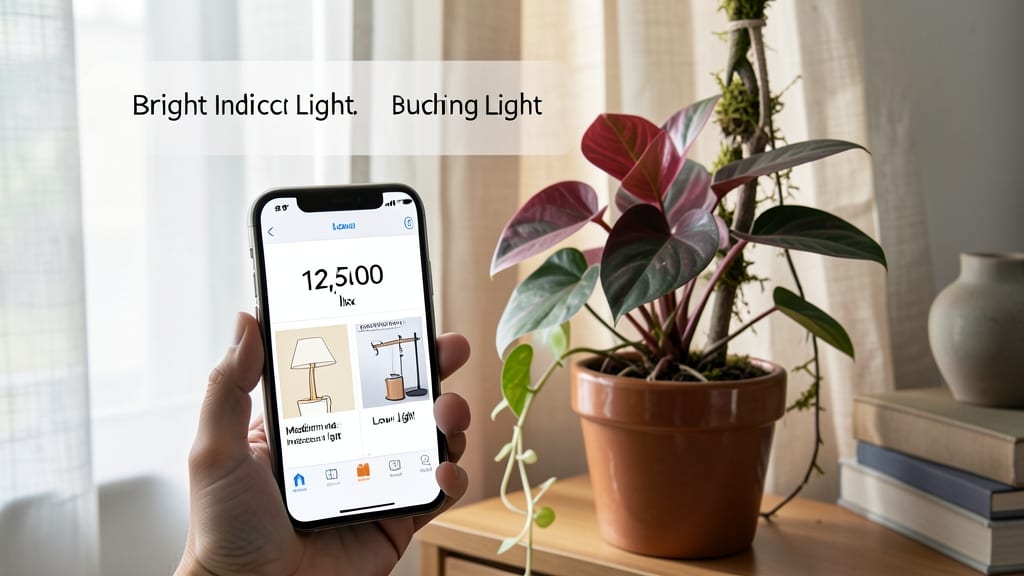
If your philodendron plant needs how much light does a philodendron plant need is the first question you should ask—and the answer might surprise you. These lush, trailing plants are famous for thriving in conditions where other houseplants struggle, making them perfect for busy homes or dim corners.
Most people assume philodendrons need bright sunlight, but the truth is they prefer bright indirect light—think of a spot near a window with sheer curtains or a few feet away from a north-facing glass.
Too much direct sun can scorch their leaves, while too little might leave them leggy and sparse.
Whether you're dealing with a low-light bathroom or a sun-drenched living room, I'll show you exactly how to strike the right balance. You'll learn to spot signs of light stress, adjust your plant's position, and even use artificial lighting if needed.
By the end, you'll have a philodendron that looks like it belongs in a tropical jungle—not just surviving on your shelf. Let's get started!

Philodendron light requirements: low to bright indirect sun explained
Philodendrons are famously adaptable, but their light needs are often misunderstood. These vines thrive in low to bright indirect light, making them ideal for homes with limited sunlight. Unlike sun-loving plants, philodendrons can survive in low-light conditions—but they’ll grow faster and look healthier with the right balance.
The key is avoiding direct sunlight, which can scorch their leaves, and providing enough light to prevent leggy growth.
Most philodendrons do well with 2-6 hours of bright, filtered light daily, such as what you’d find near a north-facing window or under sheer curtains on an east or west-facing window.
Here’s how to identify the perfect spot: Hold your hand near the plant. If you can read a book comfortably, the light is likely bright indirect. If it’s too dim to see clearly, it’s low light—still safe for philodendrons but may slow growth.
Now, let’s break down the three light zones philodendrons tolerate and how to spot signs of stress in each.
Philodendrons in low light may develop pale, sparse leaves as they stretch toward any available light source. This is their way of saying, “I need more!” Rotate the pot quarter-turns every 2 weeks to ensure even growth, even in dimmer spots.
On the flip side, too much direct sun causes leaf burn, visible as brown or yellow patches, especially on edges. If you notice these signs, move your philodendron further from the window or add a sheer curtain to diffuse the light.
Pro tip: Variegated philodendrons (like the ‘Hope’ or ‘White Knight’) need slightly more light than solid-green varieties to maintain their striking patterns. Aim for medium to bright indirect light to keep those creamy or white leaf markings vibrant.
Remember, philodendrons are forgiving plants. Even if you’ve had a leggy, sad-looking one in the past, adjusting its light exposure can bring it back to life. Start with medium light and observe how it responds over 4-6 weeks—you’ll quickly learn what works best in your home.
For extra peace of mind, place your philodendron near a bathroom window (steamy showers add humidity!) or under a grow light for 12 hours/day if natural light is scarce. Your plant will thank you with lush, healthy growth.
Philodendron light requirements: low to bright indirect sun explained
Philodendrons are famously adaptable, but their light needs are often misunderstood. These plants thrive in low to bright indirect light, making them ideal for homes with limited sunlight. Unlike sun-loving plants, philodendrons hate direct sun, which can scorch their leaves and stunt growth.
Understanding the three light zones—low, medium, and bright indirect—will help you place your plant perfectly.
Start by identifying your home’s natural light sources. A north-facing window provides the gentlest, most consistent light, while east or west windows offer moderate indirect light. South-facing windows can be too intense unless filtered through sheer curtains.
If your home lacks natural light, grow lights can bridge the gap, but we’ll cover that later.
| Light Level | Description | Ideal Location | Signs of Stress |
|---|---|---|---|
| Low Light | Dimmest corner, 10-20 ft from windows | Bathrooms, basements, north-facing rooms | Leggy growth, sparse leaves, pale color |
| Medium Light | 2-3 ft from east/west windows | Living rooms, kitchens, hallways | Healthy growth, vibrant leaves |
| Bright Indirect | Filtered sun, 1-2 ft from north windows | Home offices, shelves near curtains | Dark spots, crispy edges, slow growth |
Watch for visual cues to adjust your philodendron’s light. If leaves turn yellow or brown, it’s getting too much direct sun. Leggy stems or small leaves signal underlighting. The key is balance—philodendrons grow best with 2-6 hours of bright, filtered light daily.
Rotate your plant every 2-4 weeks to ensure even growth and prevent leaning toward the light source.
For variegated philodendrons, like the Philodendron Brasil, bright indirect light enhances their stunning patterns. These varieties need slightly more light than solid-green types but still avoid harsh afternoon sun.
If your plant’s variegation fades, it’s a sign it’s not getting enough light to support the energy-intensive white or yellow leaf sections.
Pro tip: Use a light meter or your phone’s light sensor app to measure brightness. Aim for 100-500 foot-candles—anything below 100 indicates low light, while above 1,000 means too much. Most homes naturally fall in the 200-400 foot-candle range, perfect for philodendrons.
Remember, philodendrons are survivors. Even if you misjudge the light at first, they’ll adapt—though their growth may slow. With the right placement, you’ll see lush, vibrant foliage and rapid vine growth in just a few months. 🌿